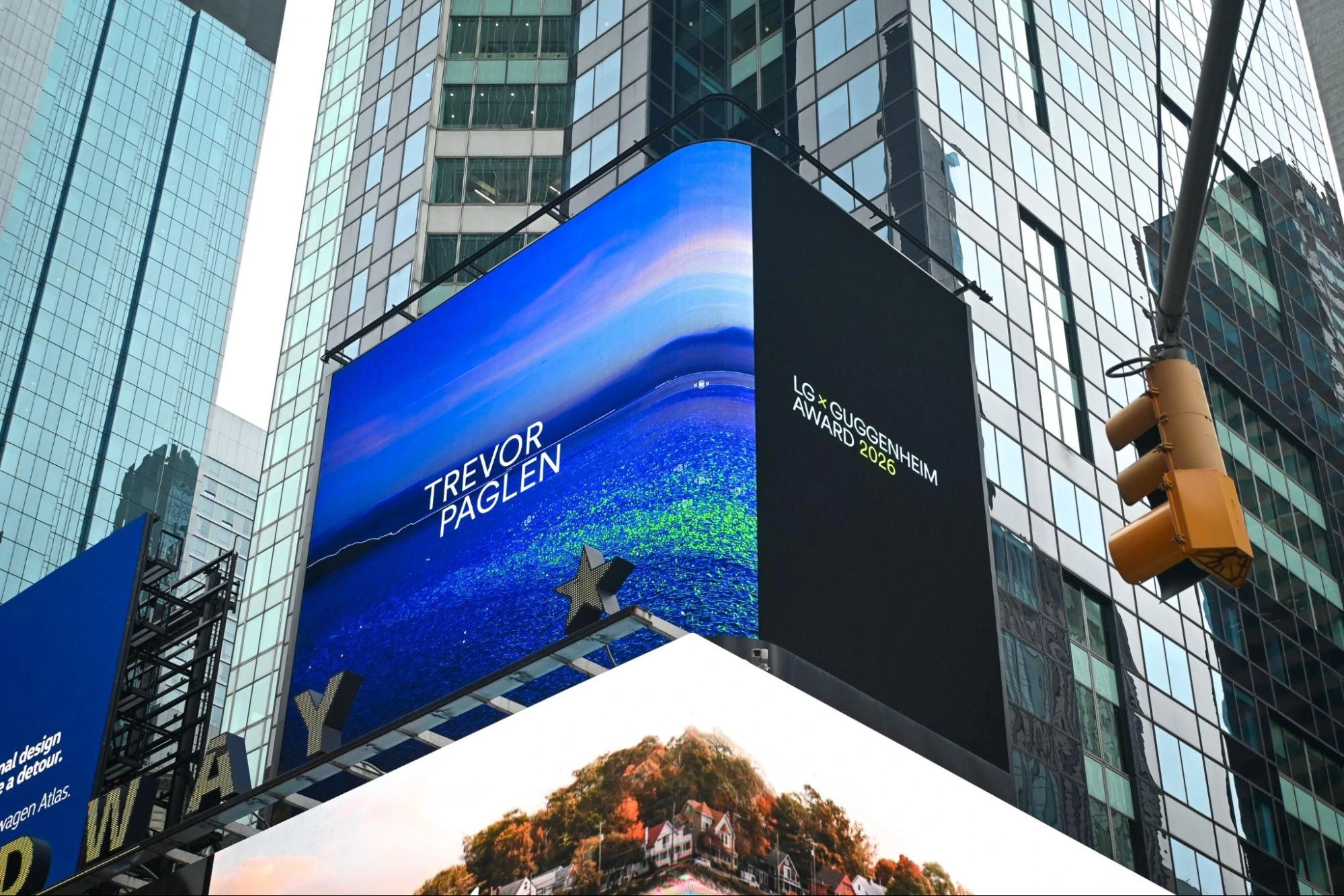
A global public display highlights how art and technology are converging, using high-traffic urban screens to bring complex ideas about surveillance, AI, and visibility into everyday spaces
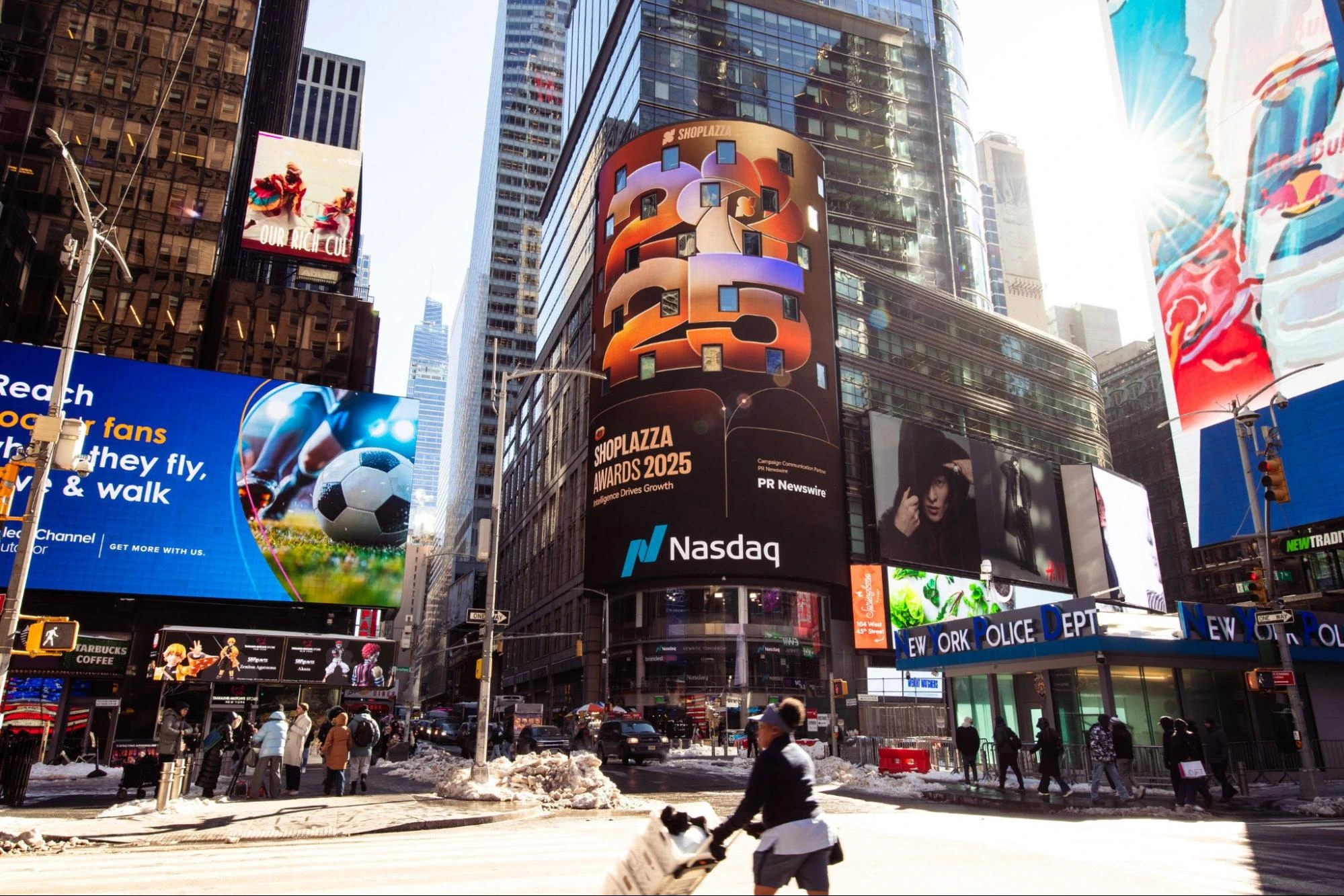
LG is bringing the work of artist Trevor Paglen into some of the world’s most visible public spaces, with large-scale digital tributes appearing in New York, London, and Seoul. The initiative, tied to the 2026 LG Guggenheim Award, places excerpts of Paglen’s work on prominent city billboards, effectively turning commercial screens into platforms for contemporary art.
The choice of locations reflects both visibility and relevance. Times Square, Piccadilly Circus, and Gwanghwamun are among the most trafficked urban sites globally, exposing the work to millions of passersby who may not typically engage with museum exhibitions. In doing so, the project expands the audience for Paglen’s practice while also reframing how art can exist within everyday environments.
Paglen’s work often explores systems that operate beyond direct human perception, including surveillance networks and machine vision. By presenting imagery derived from how machines “see,” the installation invites viewers to consider the invisible infrastructures shaping modern life. This translation of complex, often abstract ideas into public visual form suggests a growing effort to make technological systems more legible to broader audiences.
The initiative also underscores a broader cultural shift in how institutions and corporations collaborate in the arts. Through the LG Guggenheim Art and Technology Initiative, corporate infrastructure—such as global digital displays—is being used to support artistic visibility at a scale that traditional venues cannot easily match. This approach reflects a blending of cultural programming with technological distribution.
As public screens increasingly dominate urban landscapes, their role is evolving beyond advertising into spaces for cultural expression. The presentation of Paglen’s work in these environments signals a growing recognition that art can occupy the same channels as commercial media, offering moments of reflection in otherwise transactional spaces.