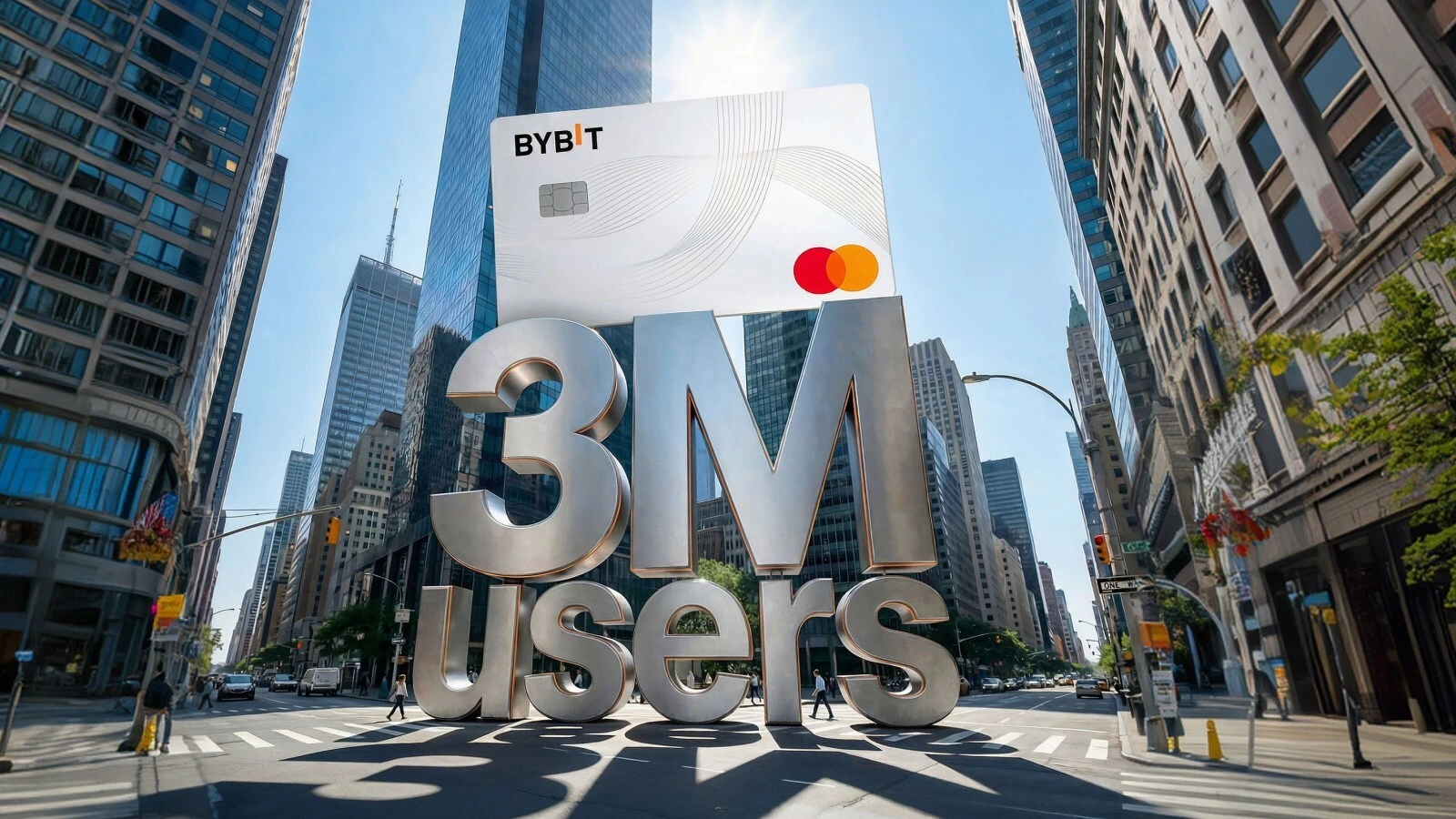
Reaching 3 million users, Bybit’s card highlights how digital assets are moving from trading platforms into daily transactions, blending crypto with traditional spending habits and lifestyle experiences
Bybit has reached a milestone of 3 million users for its Bybit Card, underscoring how cryptocurrency platforms are increasingly positioning themselves as part of everyday financial activity. For Bybit, the card represents more than a payments tool; it is a mechanism for integrating digital assets into routine consumer behavior, from groceries to travel.
The card’s growth trajectory has been relatively rapid, moving from launch to its first million users within two years, then accelerating to subsequent milestones in shorter intervals. This pattern reflects both rising consumer familiarity with crypto and the appeal of products that reduce friction between digital assets and traditional payment systems. By allowing users to spend both crypto and fiat across standard merchant networks, the card operates within existing financial infrastructure while extending the utility of digital holdings.
A key factor in this adoption appears to be the layering of incentives and features over time. What began as a basic payment product has expanded to include multi-asset functionality, automatic conversion, and rewards programs tied to everyday spending. These additions mirror broader trends in fintech, where differentiation increasingly comes from user experience and value-added services rather than core functionality alone.
Partnerships have also played a role in shaping the product’s identity. Collaborations tied to music festivals, sporting events, and regional retail environments suggest an effort to embed the card within cultural and lifestyle contexts, not just financial ones. This approach reflects a shift in how financial tools are marketed, positioning them as gateways to experiences as much as instruments for transactions.
The milestone highlights a larger transition within the crypto industry. As volatility and regulatory scrutiny continue to shape trading markets, companies are exploring more stable, utility-driven use cases to sustain growth. Payment products like the Bybit Card aim to bridge the gap between decentralized finance and everyday commerce, offering a more tangible application of digital assets.
Whether this model scales broadly will depend on user trust, regulatory clarity, and continued integration with existing payment ecosystems. Still, the card’s adoption suggests that the future of crypto may be less about speculation and more about seamless participation in daily economic life.