Awards at NAB Show highlight how smaller, more affordable cameras are reshaping professional production, blurring the line between consumer devices and high-end filmmaking equipment
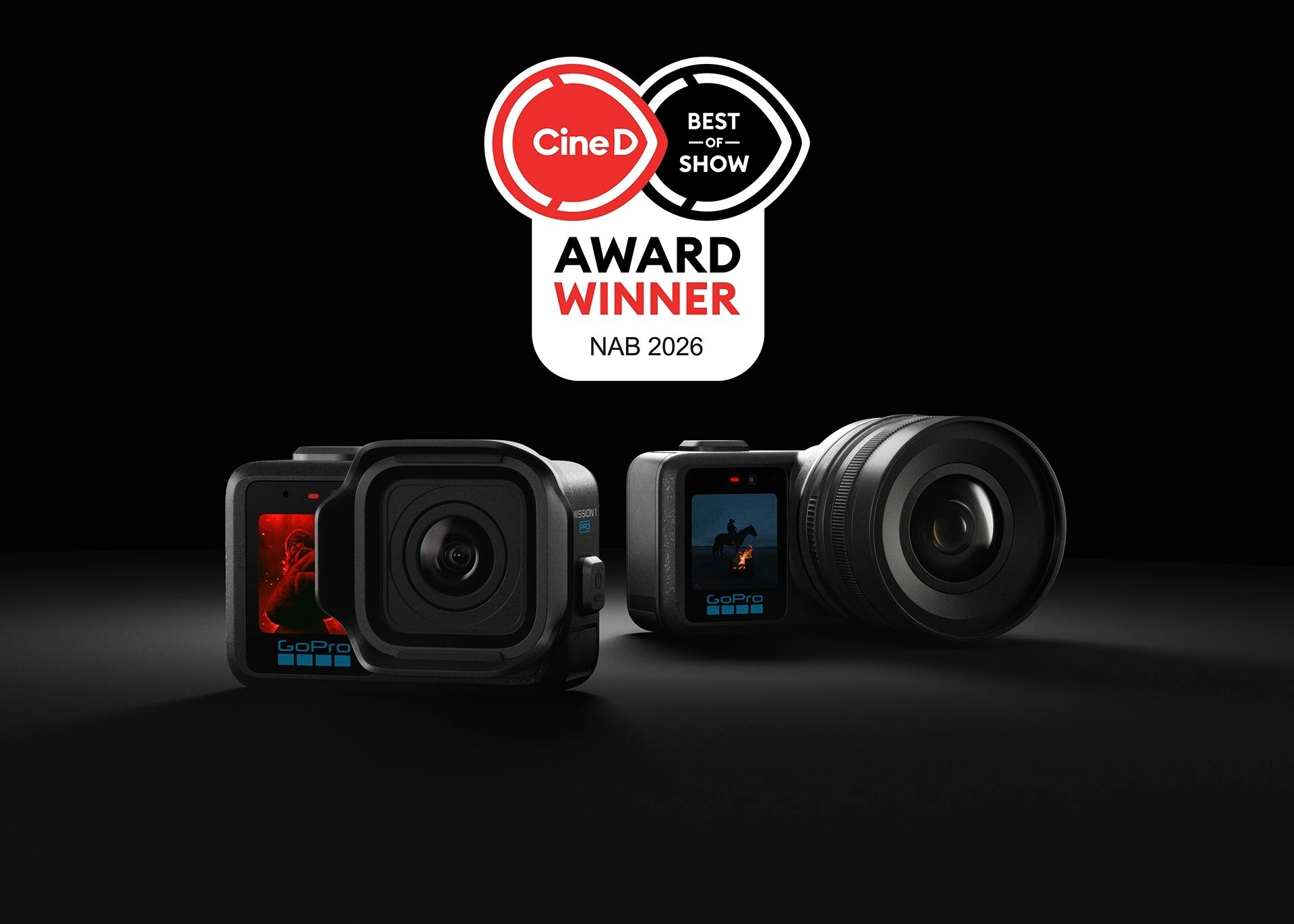
GoPro has received multiple industry awards for its MISSION 1 Series cameras at the 2026 NAB Show, a key gathering for broadcast and media professionals. The recognition, spanning honors from RedShark News, ProductionHUB, and CineD, places the compact camera line within a conversation typically dominated by larger, more established cinema systems.
At first glance, awards at a trade event may seem routine, but the context here is more telling. The MISSION 1 Series is positioned as a high-performance camera system in a notably small form factor, combining features such as 8K and 4K open-gate recording, high frame rates, and a new image sensor and processor. These capabilities suggest an ongoing shift in professional production, where portability and flexibility are becoming as important as raw image quality.
This evolution reflects broader changes in how visual content is created and distributed. As platforms demand faster turnaround times and more varied shooting environments, filmmakers are increasingly looking for tools that can adapt quickly without sacrificing technical standards. Compact cameras with advanced processing power allow crews to operate in tighter spaces, capture dynamic footage, and reduce logistical complexity, particularly for independent creators or smaller teams.
The recognition also signals a strategic move by GoPro into a more competitive segment of the imaging market. Long associated with action cameras and consumer use, the company appears to be extending its reach toward professional workflows. Whether this transition gains sustained traction will depend on adoption by filmmakers who often rely on established ecosystems of lenses, accessories, and post-production compatibility.
Ultimately, the attention given to the MISSION 1 Series points to a gradual redefinition of what constitutes a “cinema camera.” As technology compresses size without eliminating capability, distinctions between consumer-grade and professional equipment continue to blur. For the industry, that shift may expand creative possibilities, but it also raises questions about how traditional standards of production will adapt to increasingly versatile tools.