Award for telecom transaction underscores how large-scale private equity deals continue in Ukraine, reflecting investor confidence and complex financing strategies during prolonged conflict
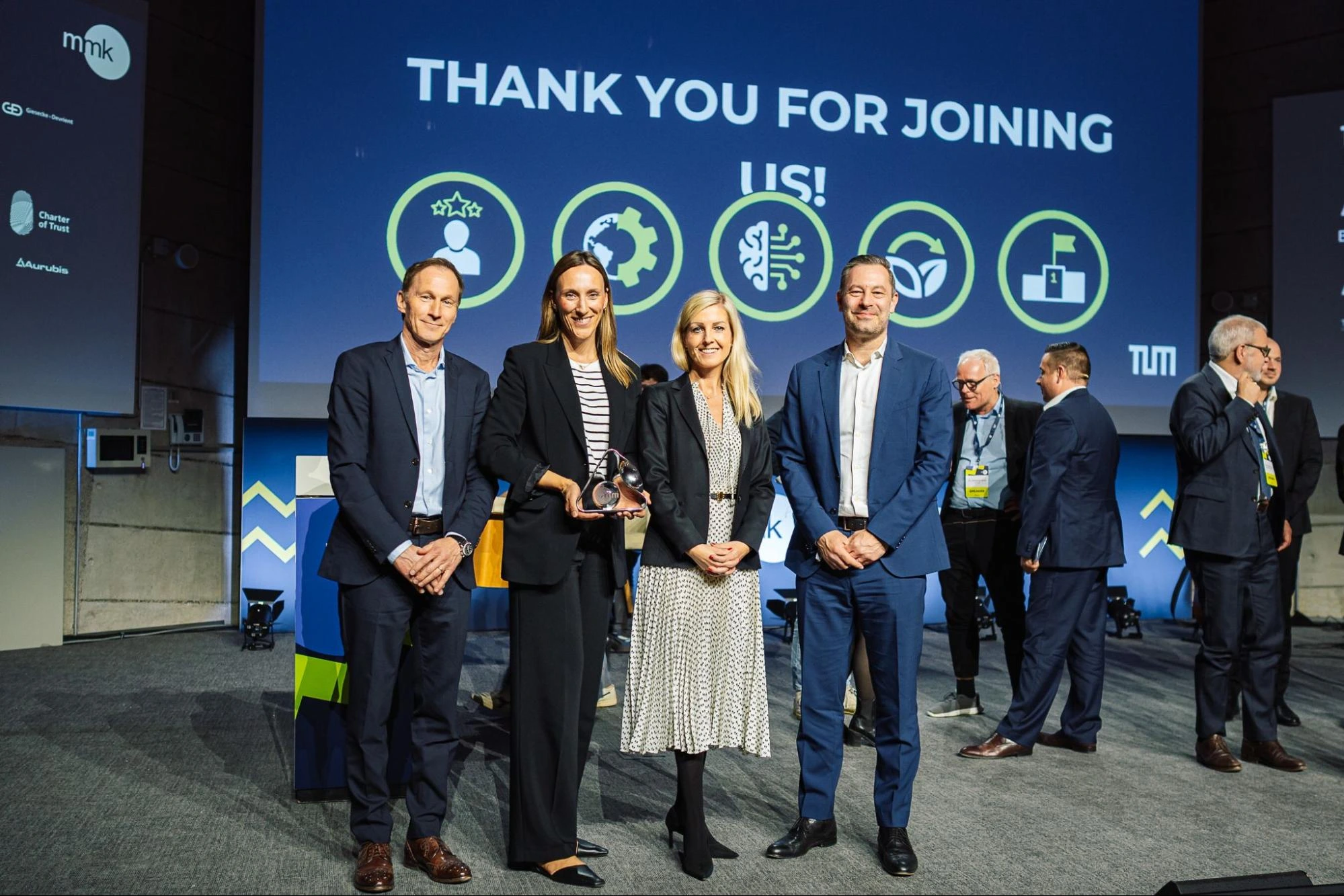
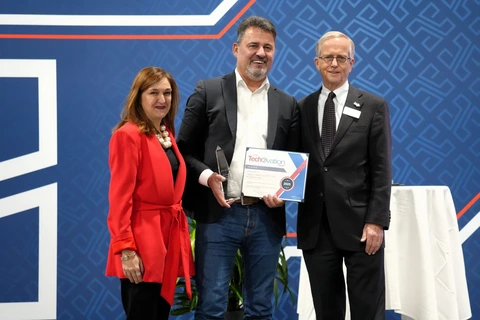
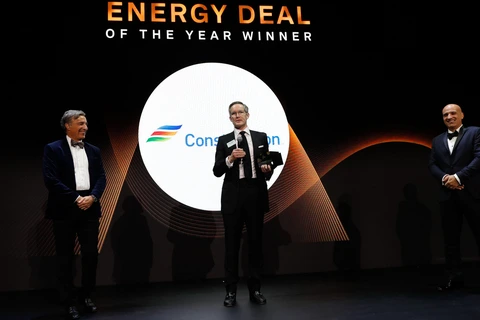
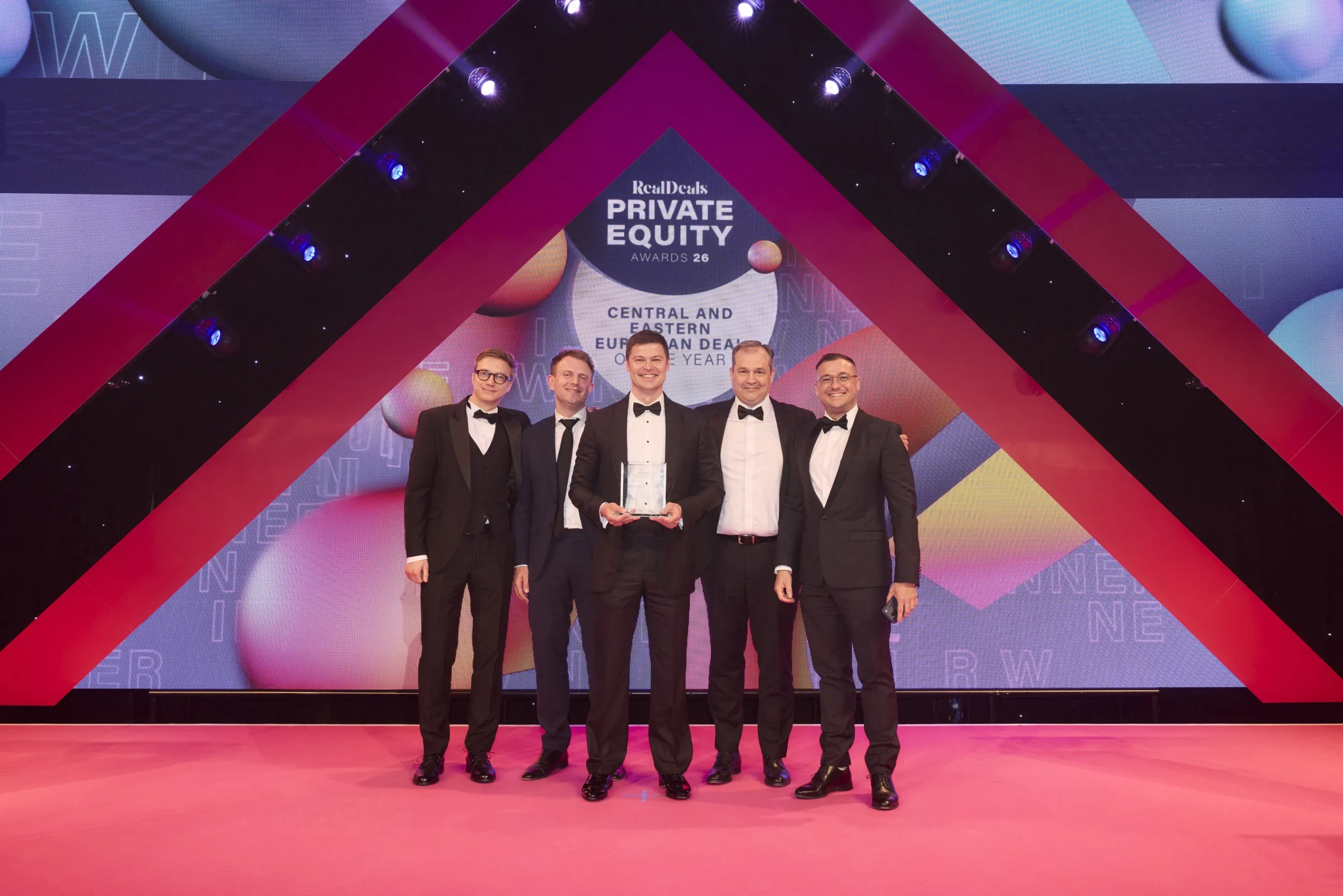
Horizon Capital has been recognized with the 2026 Central and Eastern European Deal of the Year award for its role in a major telecom transaction involving Datagroup, Volia, and Lifecell. While awards in private equity often spotlight financial performance, this recognition draws attention to the unusual context in which the deal was executed: a large-scale investment completed during an ongoing full-scale war.
The transaction, valued at approximately $1.5 billion including acquisition and capital expenditures, stands out not only for its size but for the structure behind it. Horizon Capital partnered with international investors, including a consortium led by entrepreneur Xavier Niel, while also securing significant debt financing from institutions such as the International Finance Corporation and the European Bank for Reconstruction and Development. This layered approach reflects how capital continues to flow into high-risk environments when supported by multilateral backing and long-term strategic interests.
Beyond financial engineering, the deal highlights the role of telecommunications infrastructure as a critical asset in modern economies, particularly in times of instability. Reliable digital networks underpin not only business activity but also communication, governance, and resilience during crises. In this sense, investments in telecom can carry both commercial and broader societal implications, especially in regions undergoing reconstruction or economic disruption.
The recognition also points to a wider narrative about Ukraine’s economic continuity. Despite ongoing conflict, the ability to complete complex mergers and attract international partners suggests that parts of the country’s investment ecosystem remain active. For private equity firms, such deals represent both opportunity and risk, requiring careful navigation of geopolitical uncertainty alongside traditional financial considerations.
More broadly, the award underscores how the private equity industry is adapting to operate in less predictable environments. Transactions like this may become reference points for how capital can be deployed in regions facing instability, provided that partnerships, financing structures, and long-term outlooks align. Whether such activity can be sustained will depend on both the trajectory of the conflict and the continued willingness of global investors to engage under challenging conditions.