RLDatix’s latest summit highlights a growing challenge in healthcare: turning vast amounts of safety data into meaningful action, as organizations increasingly look to artificial intelligence for practical solutions.
RLDatix brought together more than 400 healthcare leaders at its 2026 Connected Healthcare Summit, focusing on a persistent issue across the industry—how to translate data into improved patient outcomes. While hospitals and health systems generate large volumes of safety and performance data, many still struggle to integrate those insights into everyday clinical workflows.
The company used the event to showcase new AI-driven capabilities within its platform, including tools for incident reporting, policy creation, and advanced analytics. These features are designed to reduce the administrative burden on healthcare professionals while helping organizations identify patterns and risks more quickly. The emphasis reflects a broader shift toward using automation to make complex systems more responsive and easier to manage.
Yet the discussions at the summit suggest that technology alone is not sufficient. Healthcare leaders highlighted the difficulty of aligning teams, breaking down organizational silos, and embedding safety practices into daily operations. Even with improved data access, the challenge remains one of implementation—ensuring that insights lead to consistent, measurable changes in care delivery.
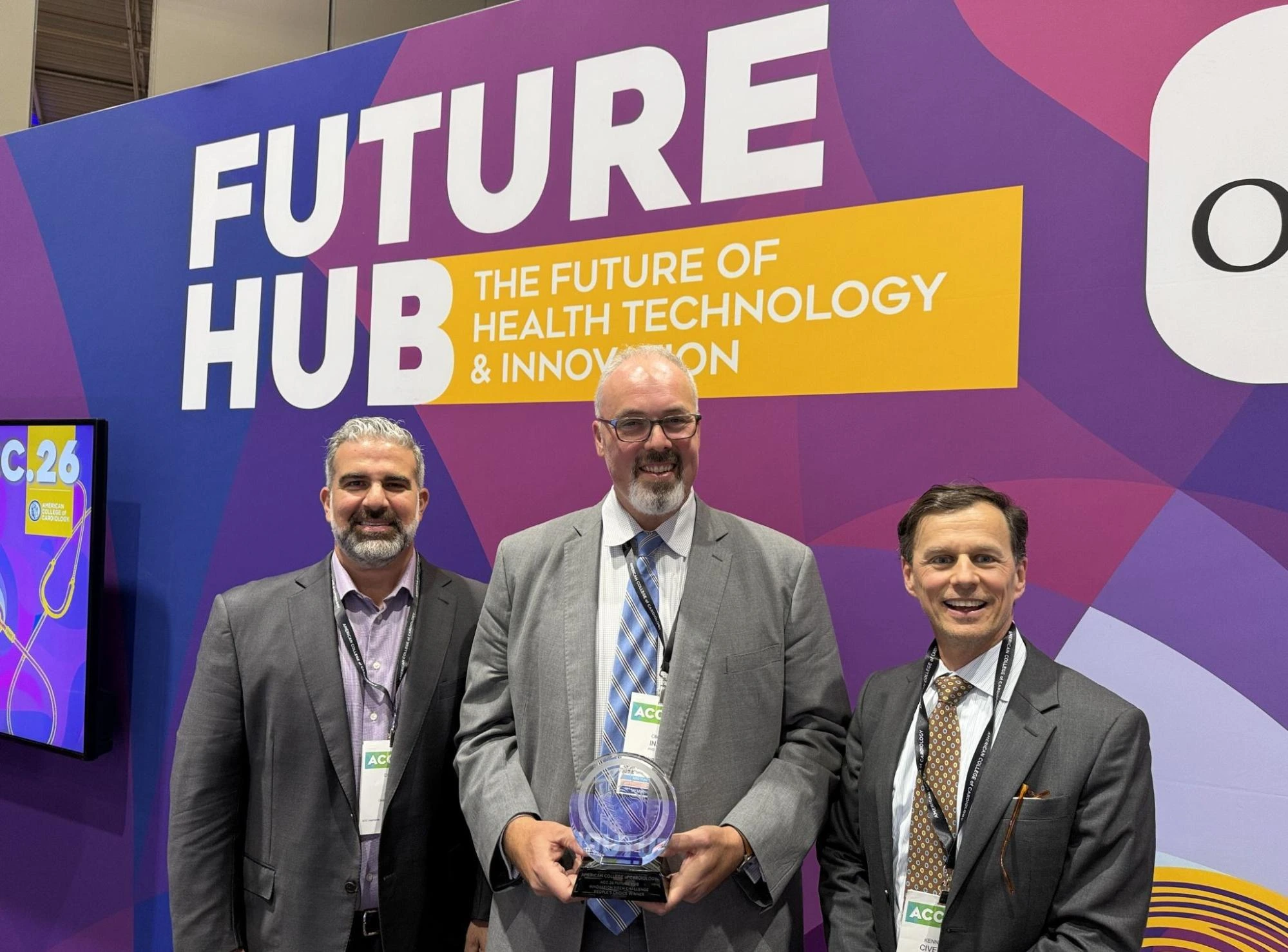
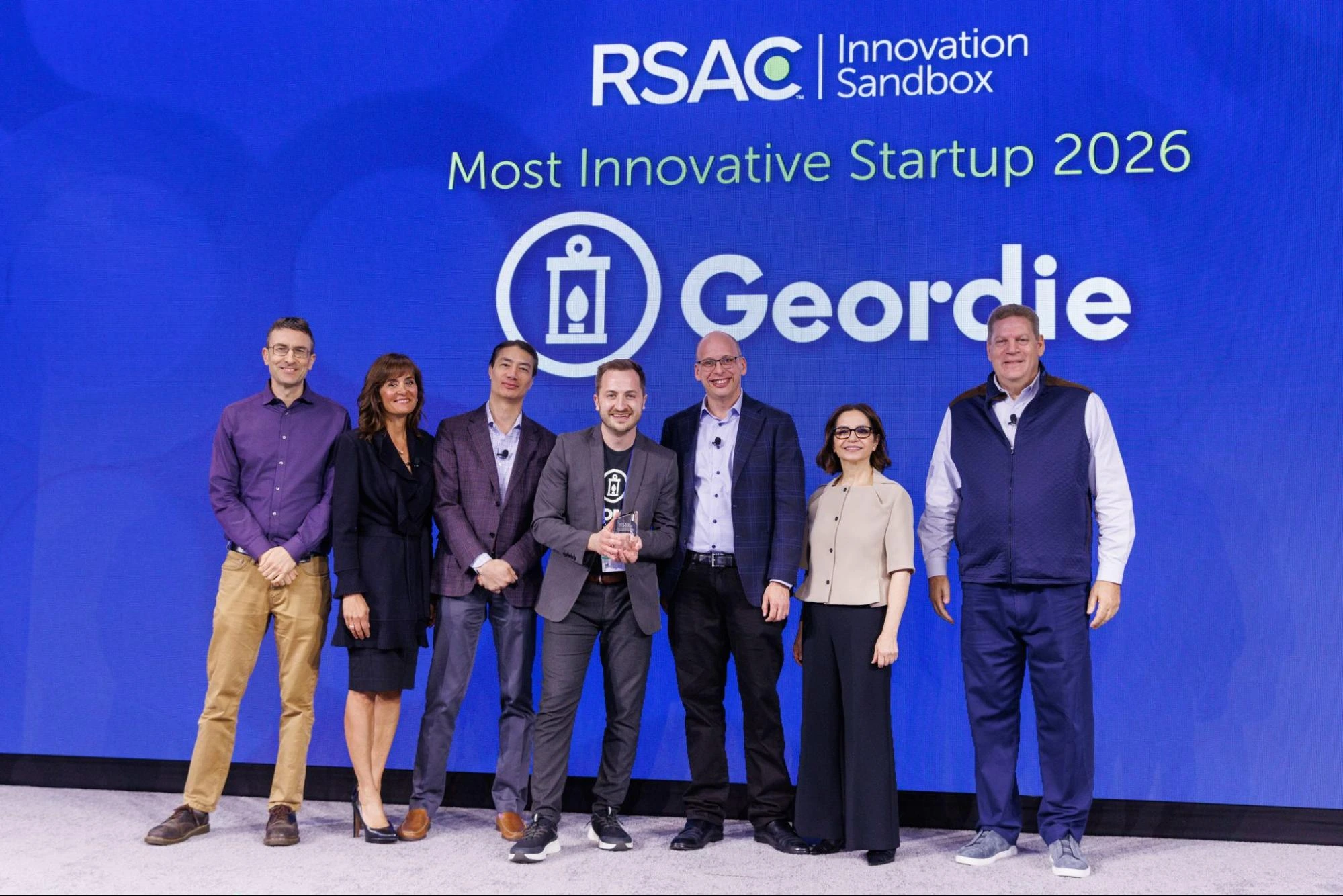
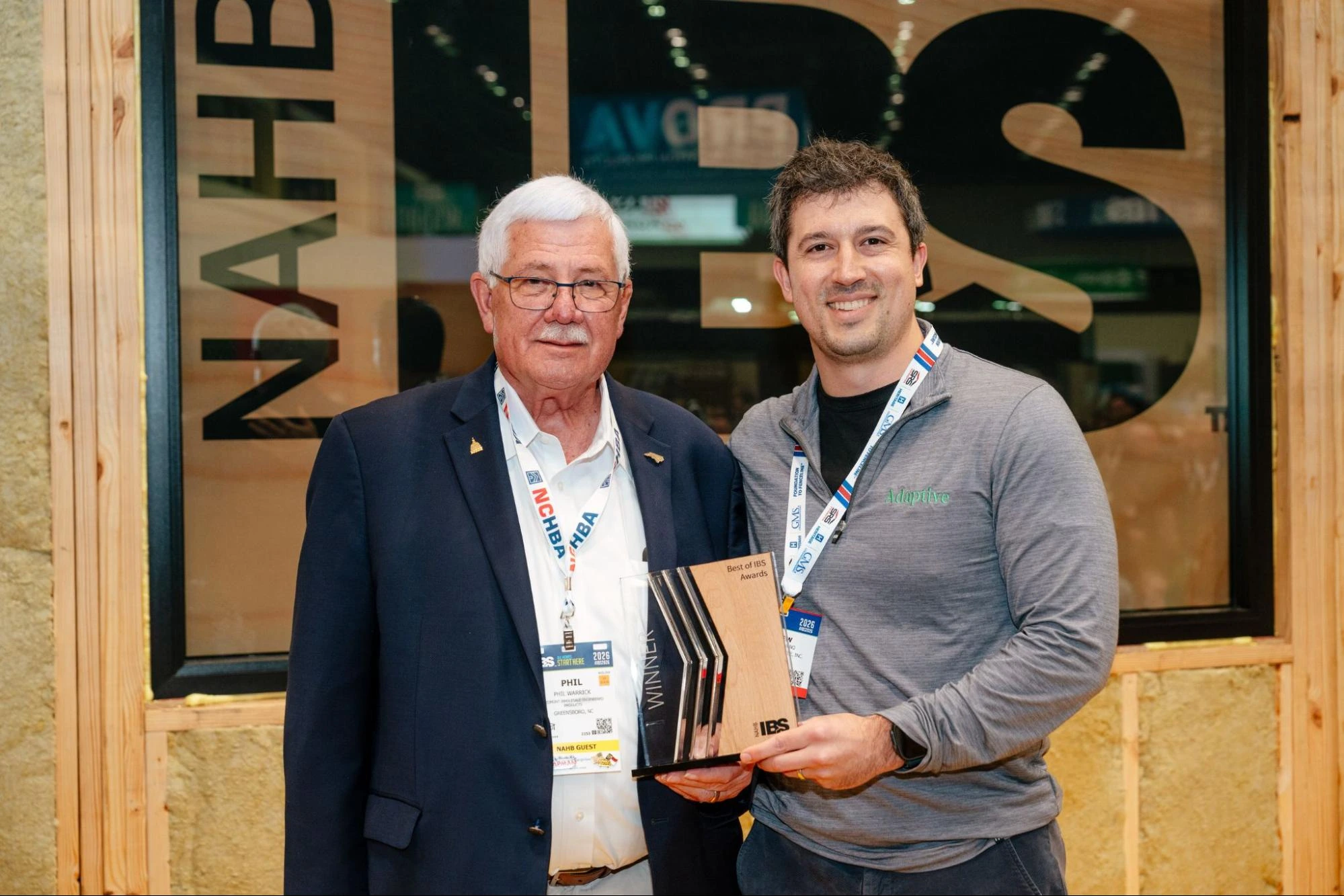
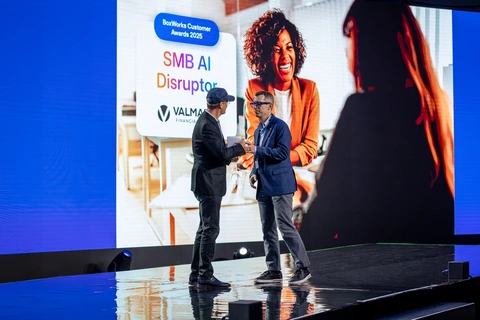
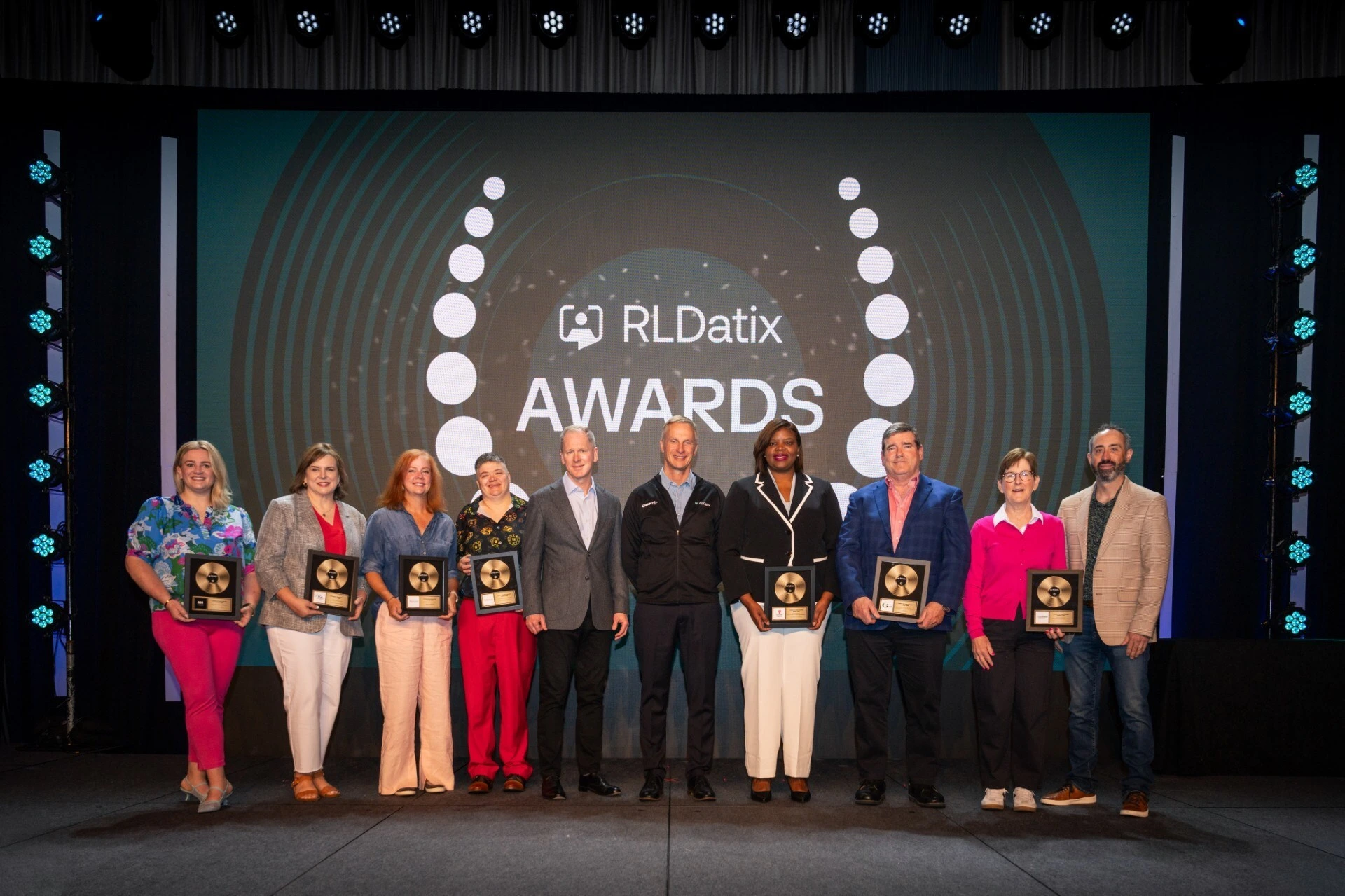
Case studies presented by participating health systems illustrated both progress and ongoing obstacles. Organizations that have successfully improved patient safety tend to combine technology with cultural and operational changes, suggesting that effective transformation requires coordination across multiple levels of the system. Awards presented at the event further underscored this point, recognizing institutions that have managed to connect data, leadership, and frontline practice.
The summit reflects a broader moment in healthcare, where digital transformation is accelerating but outcomes remain uneven. As systems invest in AI and analytics, expectations are rising that these tools will deliver tangible improvements rather than simply adding complexity.
RLDatix’s focus on bridging the gap between data and action points to a central tension in modern healthcare: the abundance of information versus the difficulty of using it effectively. How organizations resolve that tension may shape not only operational efficiency, but also the quality and safety of care delivered to patients.