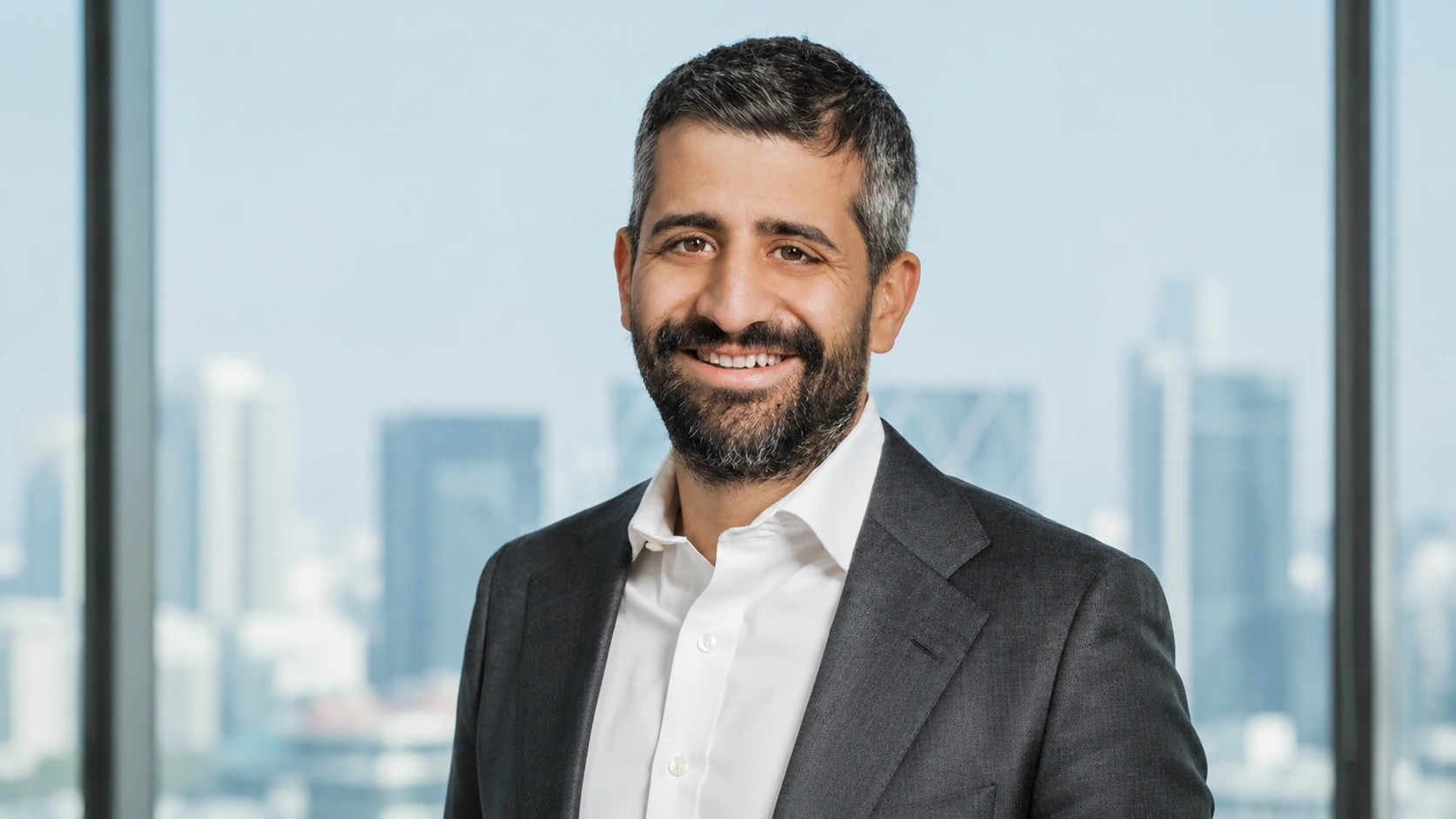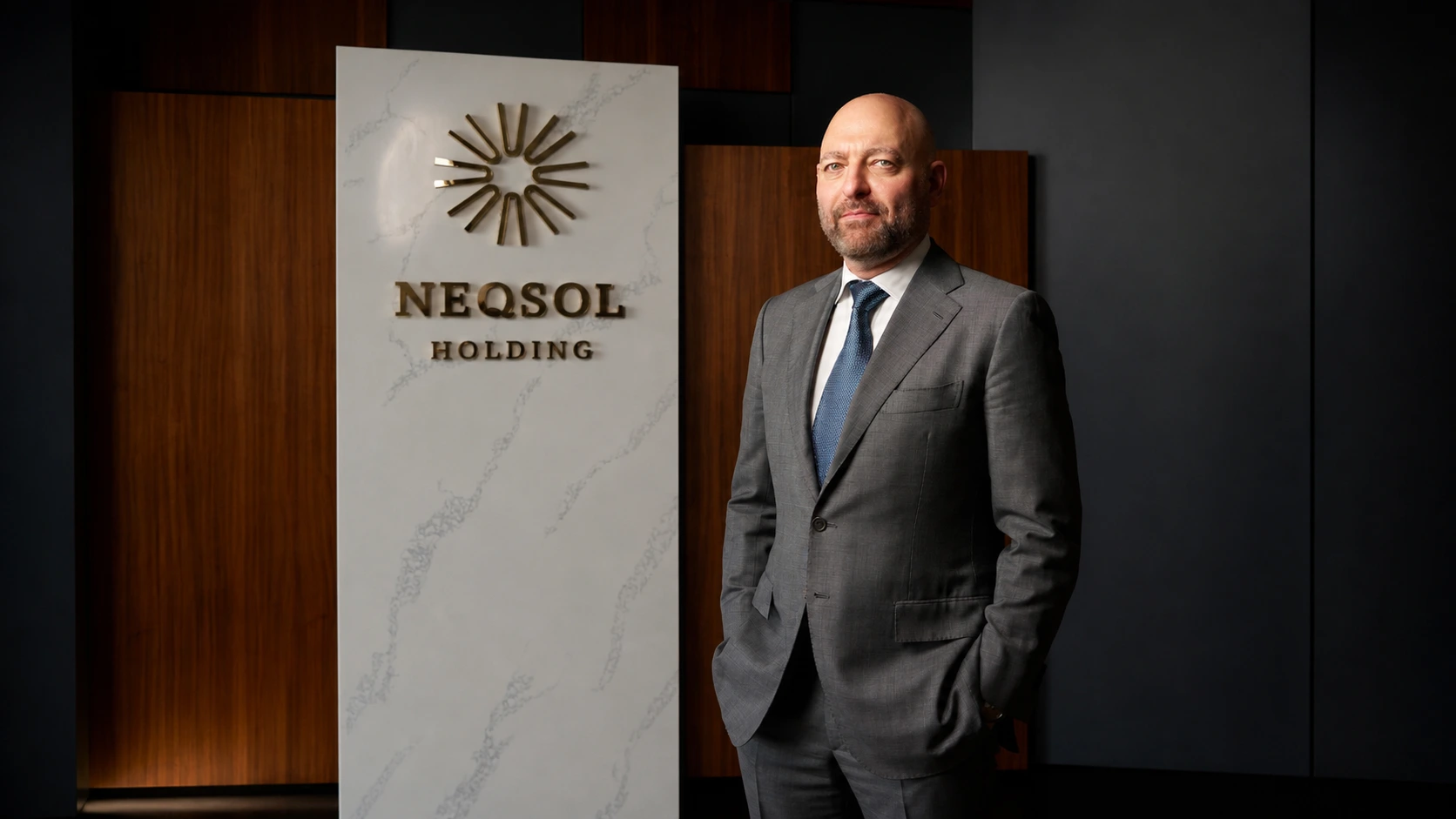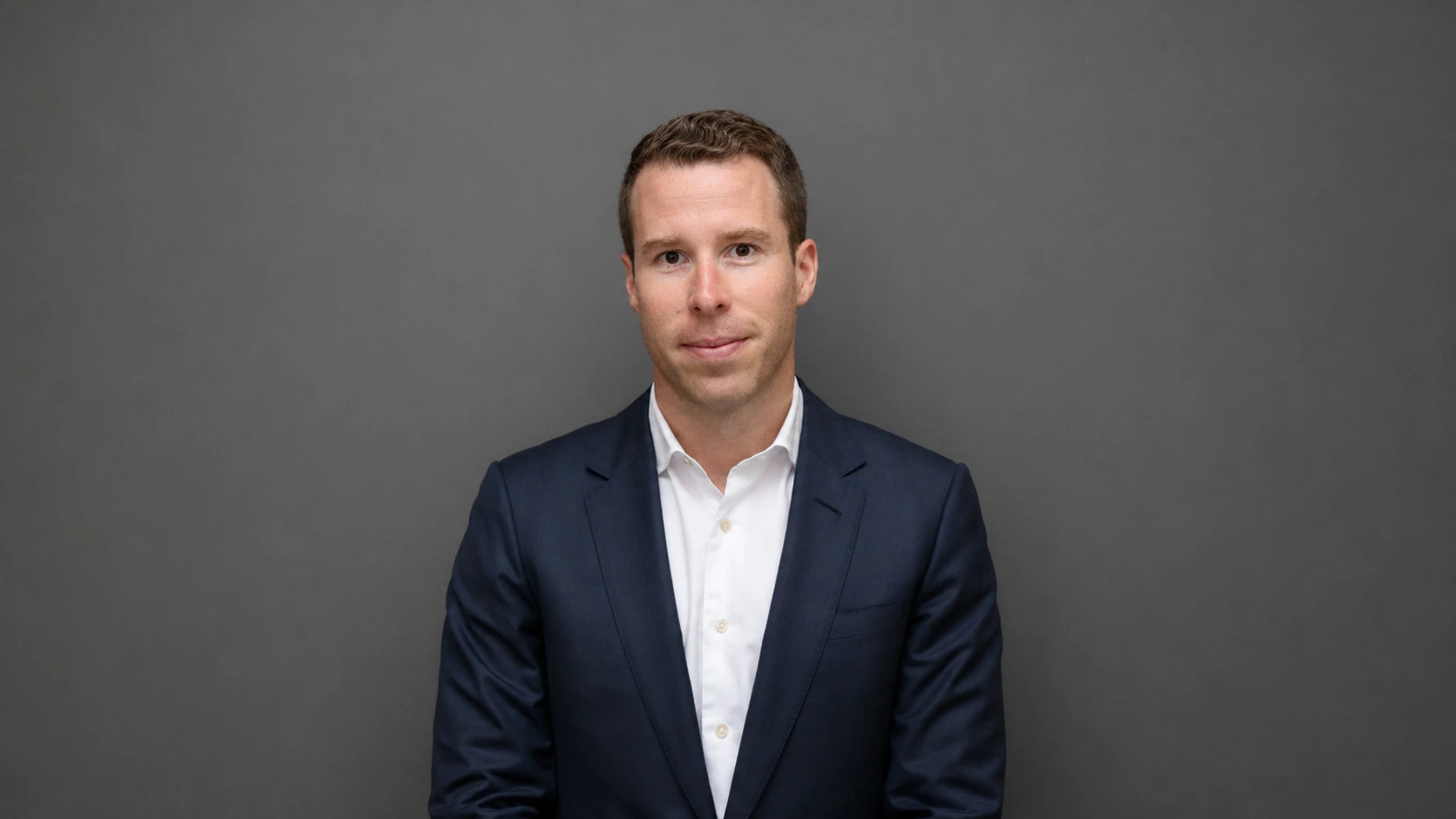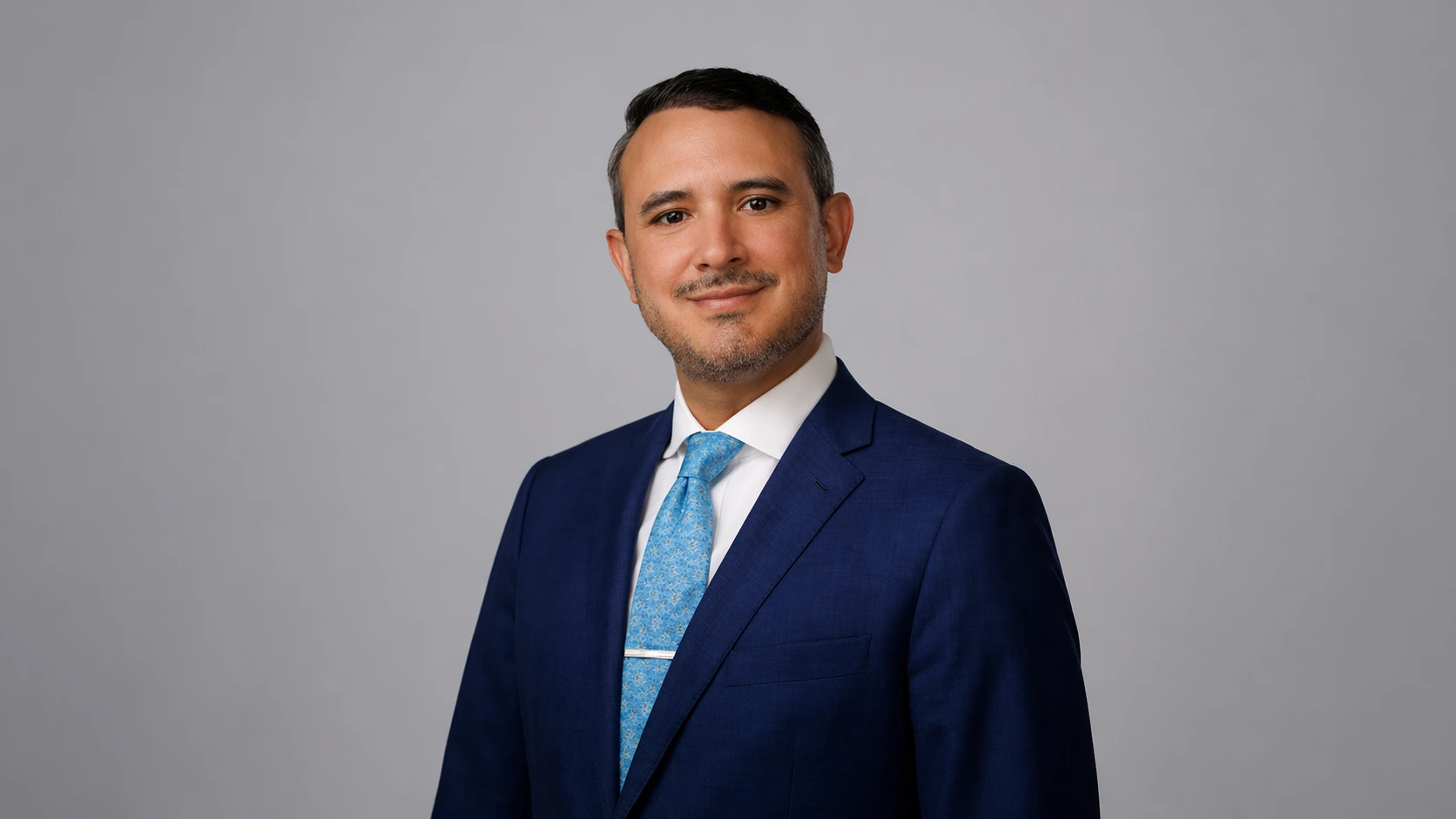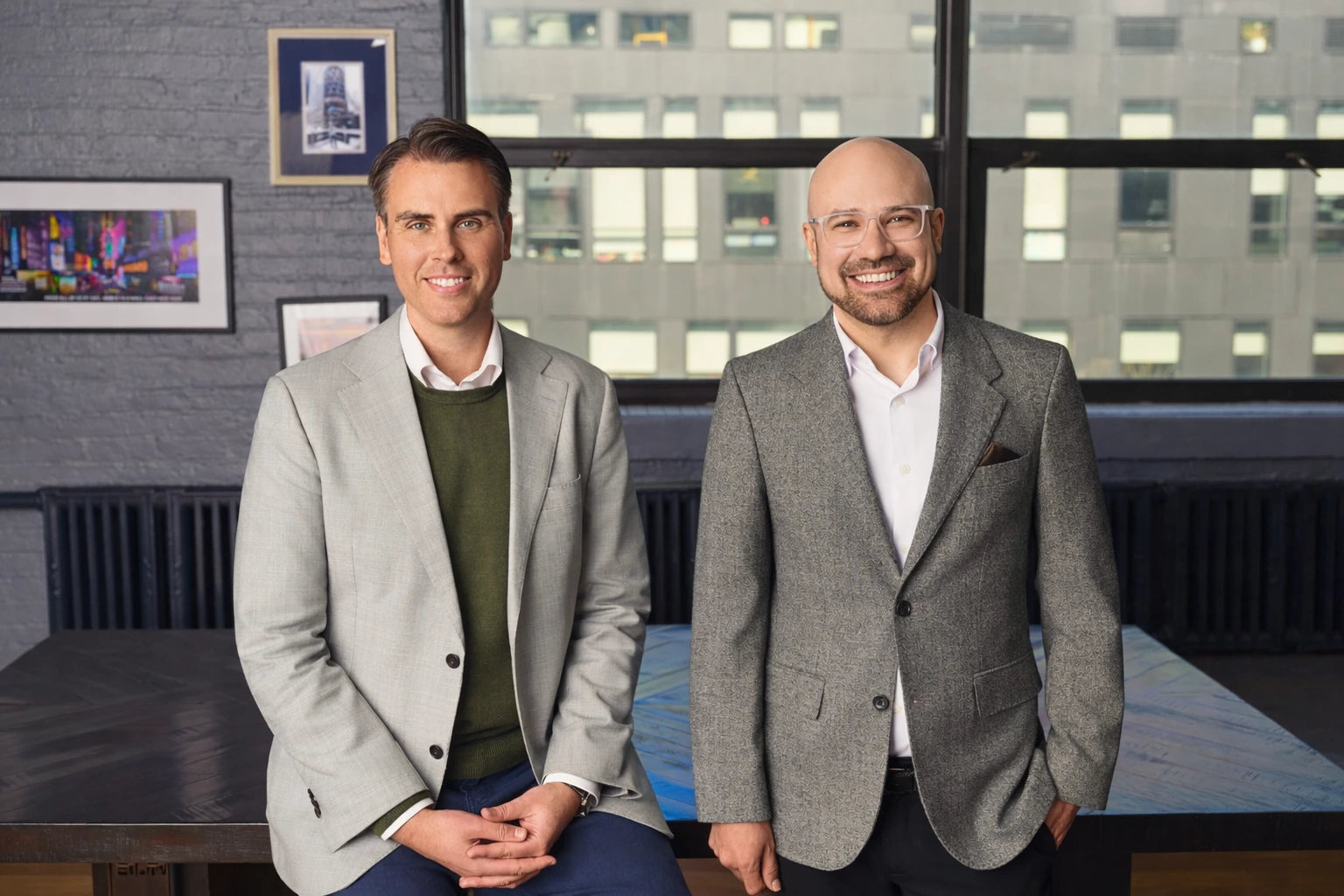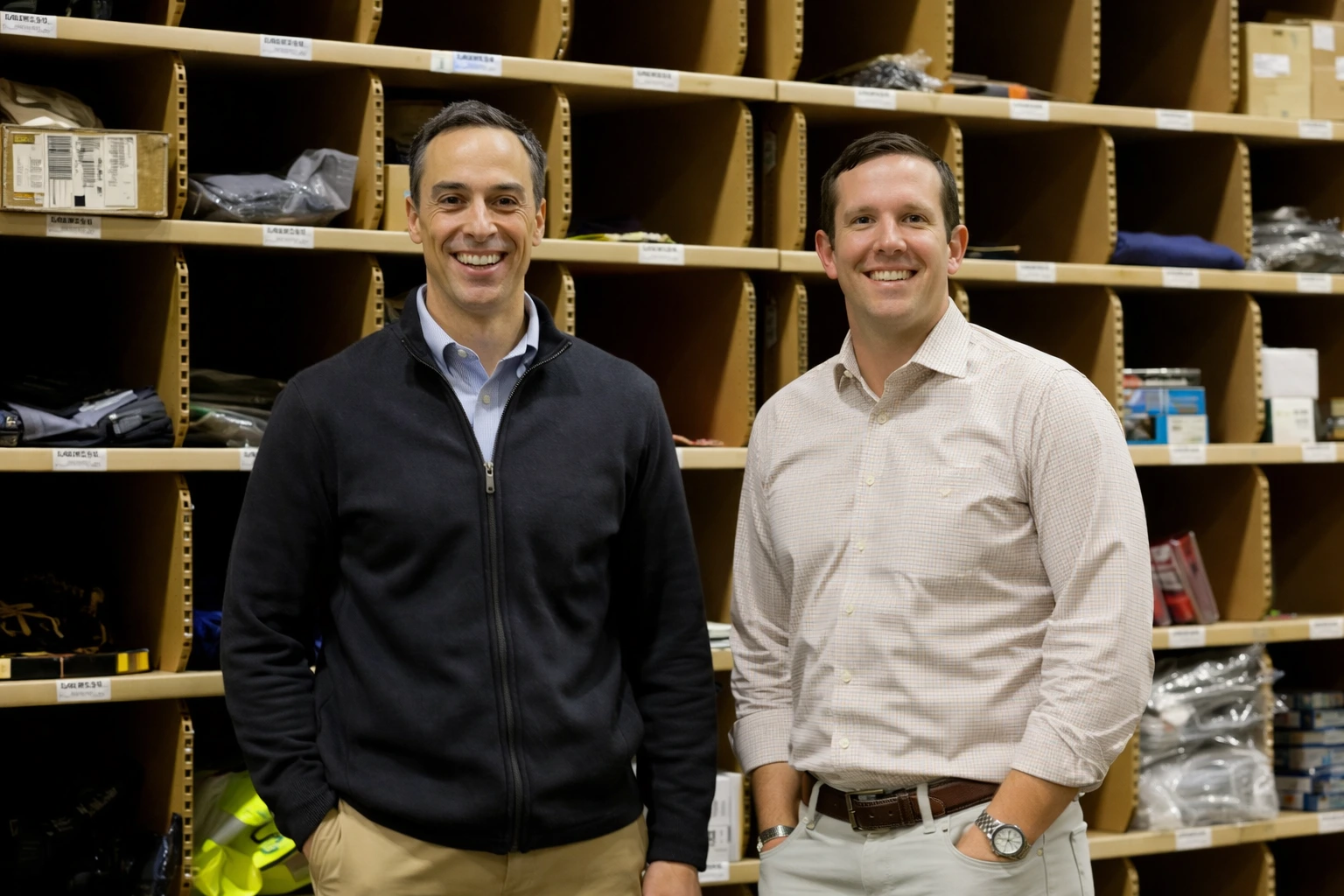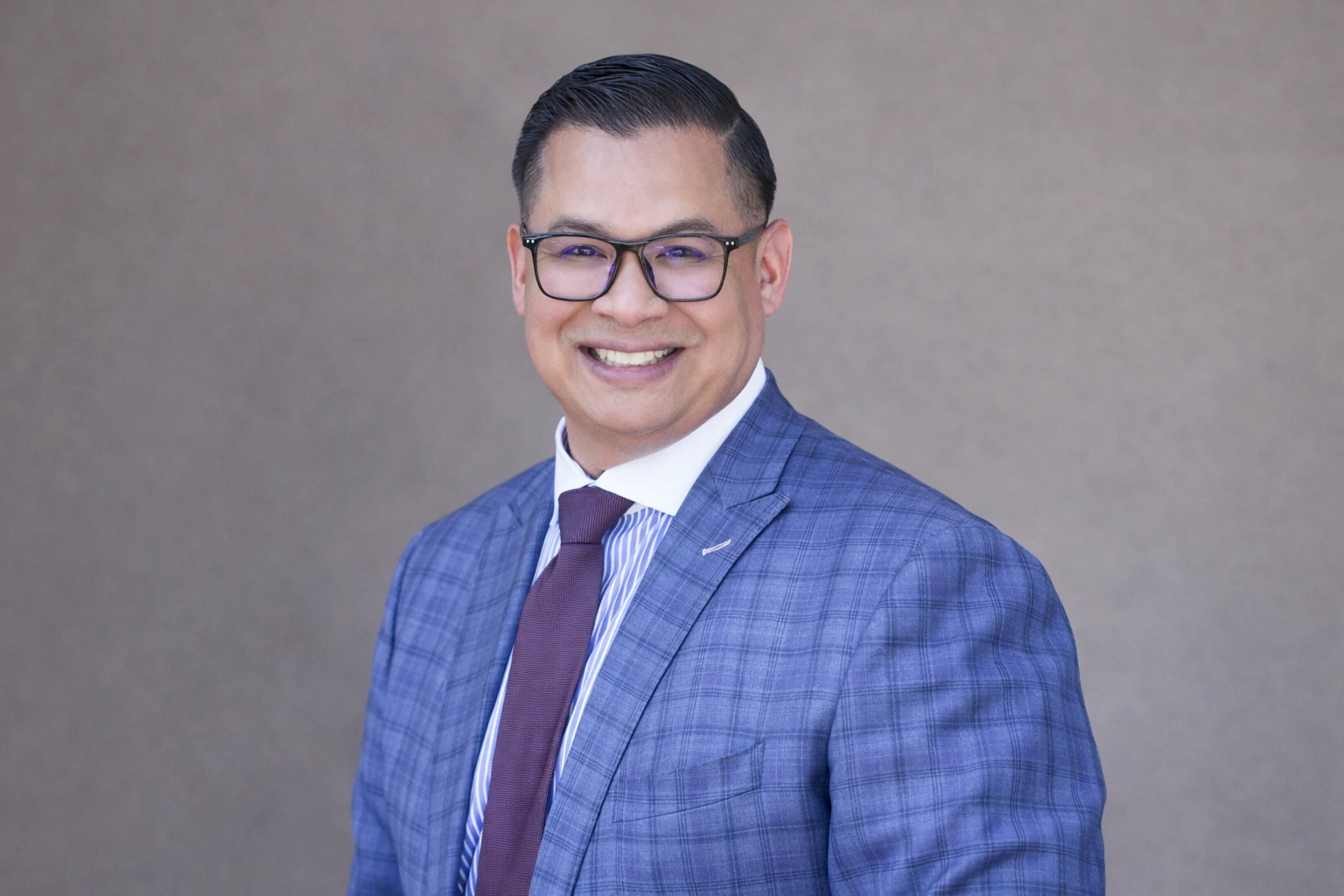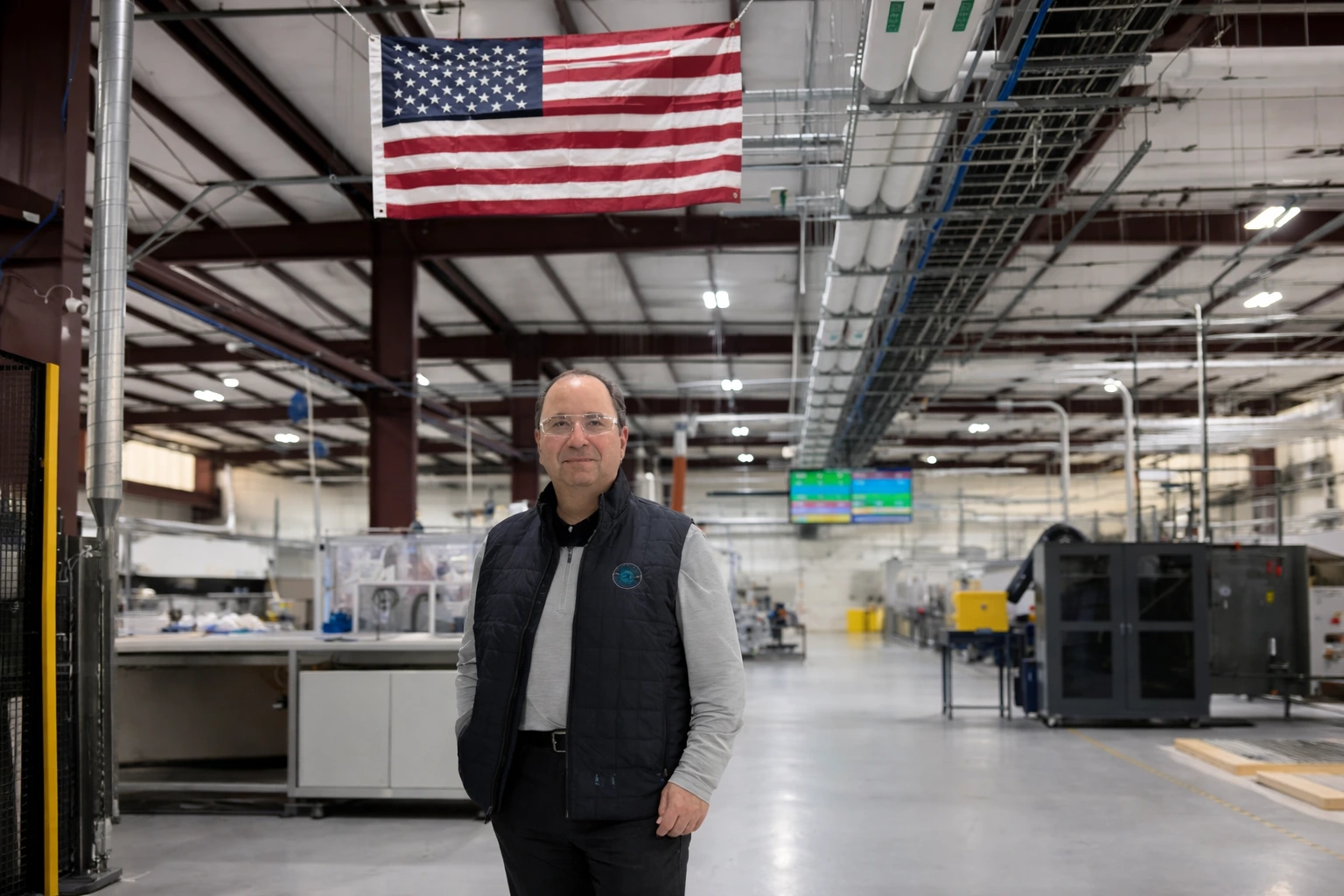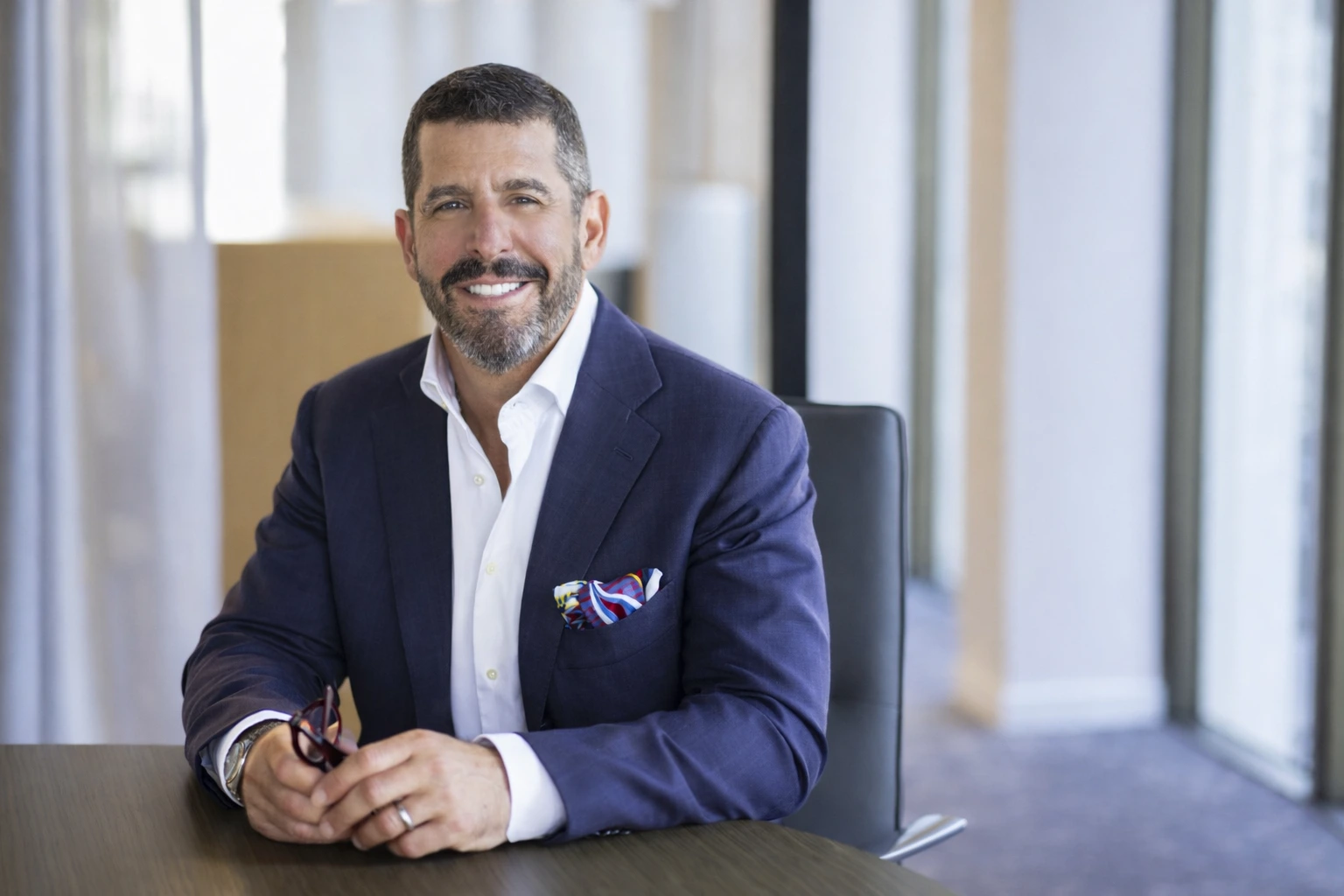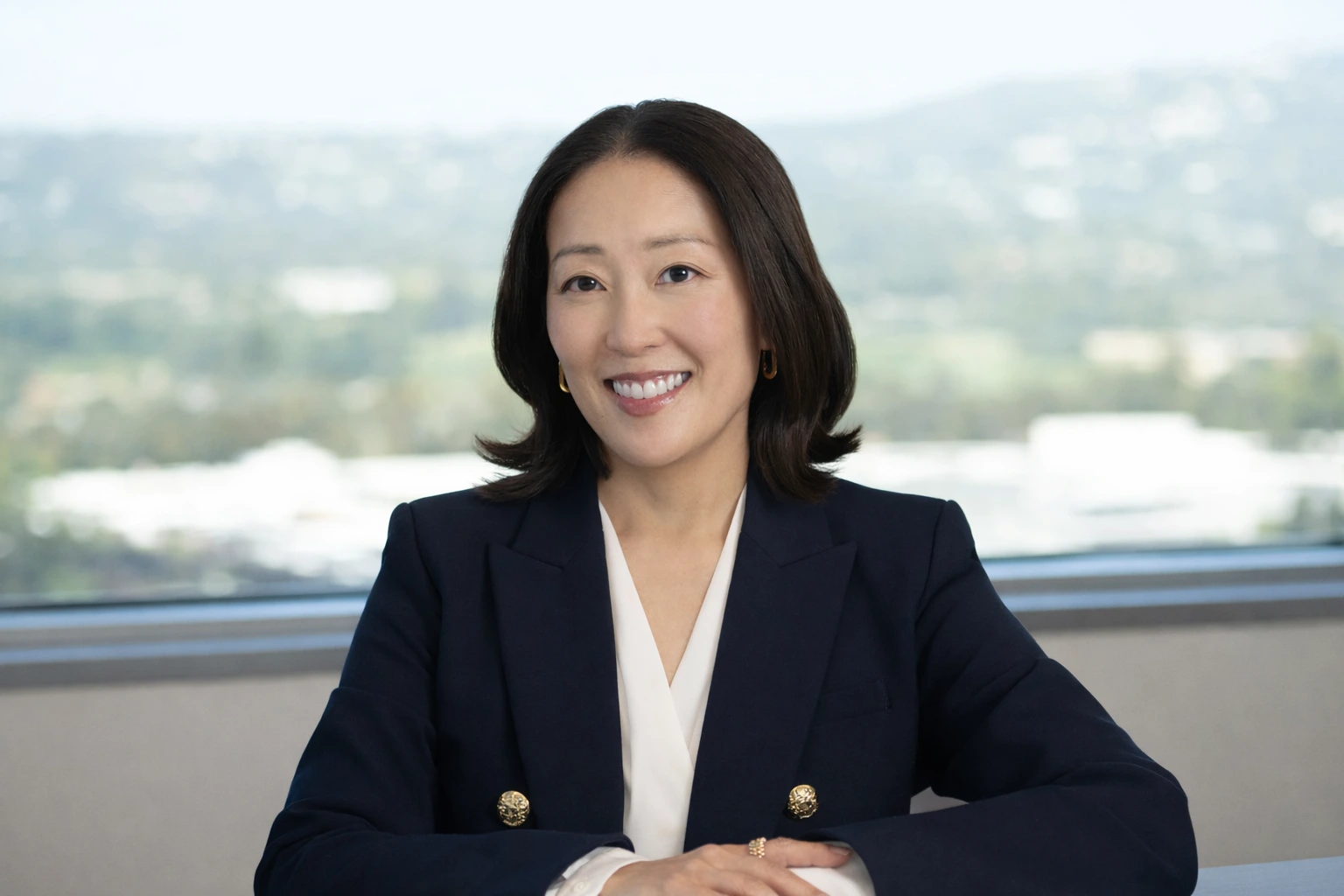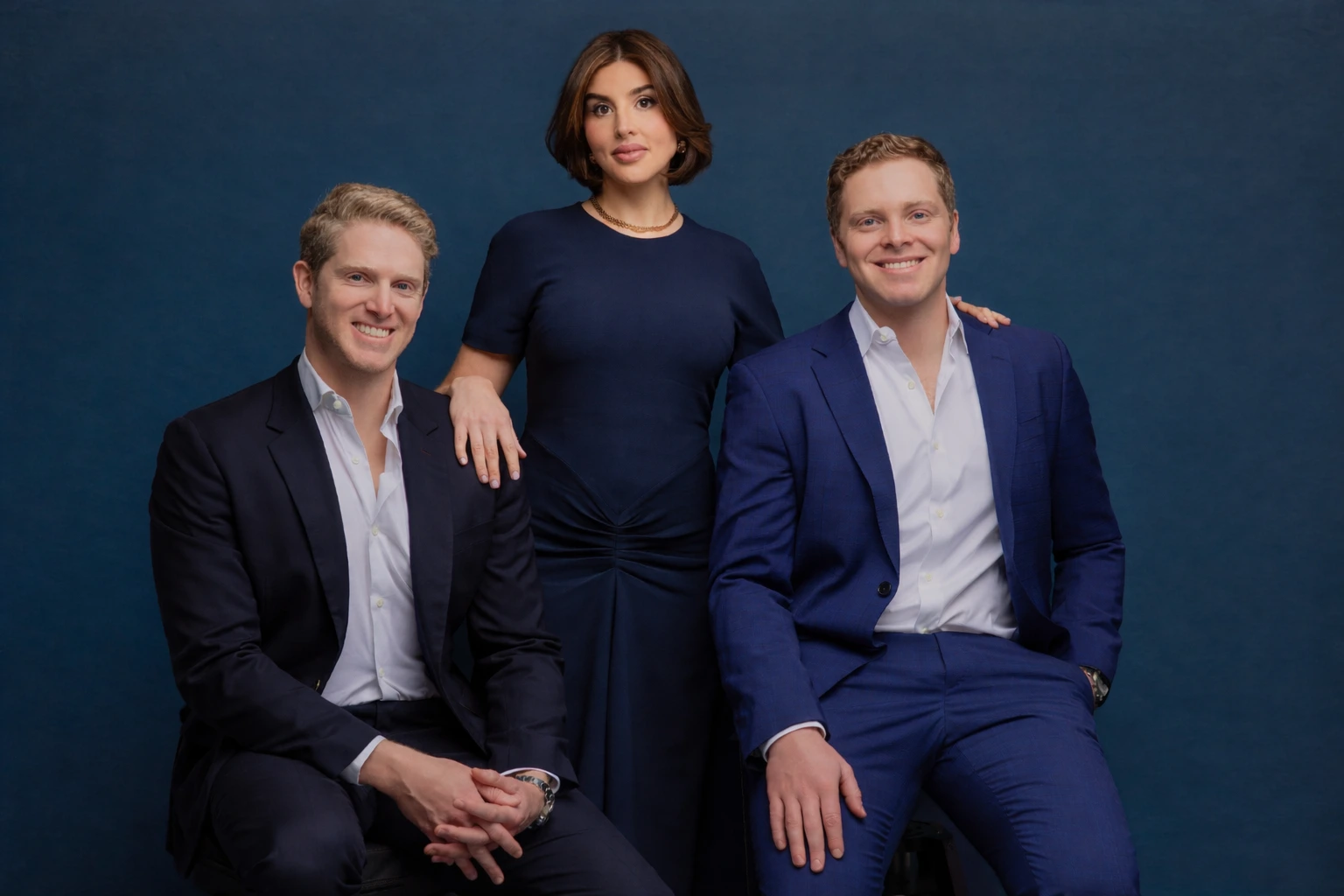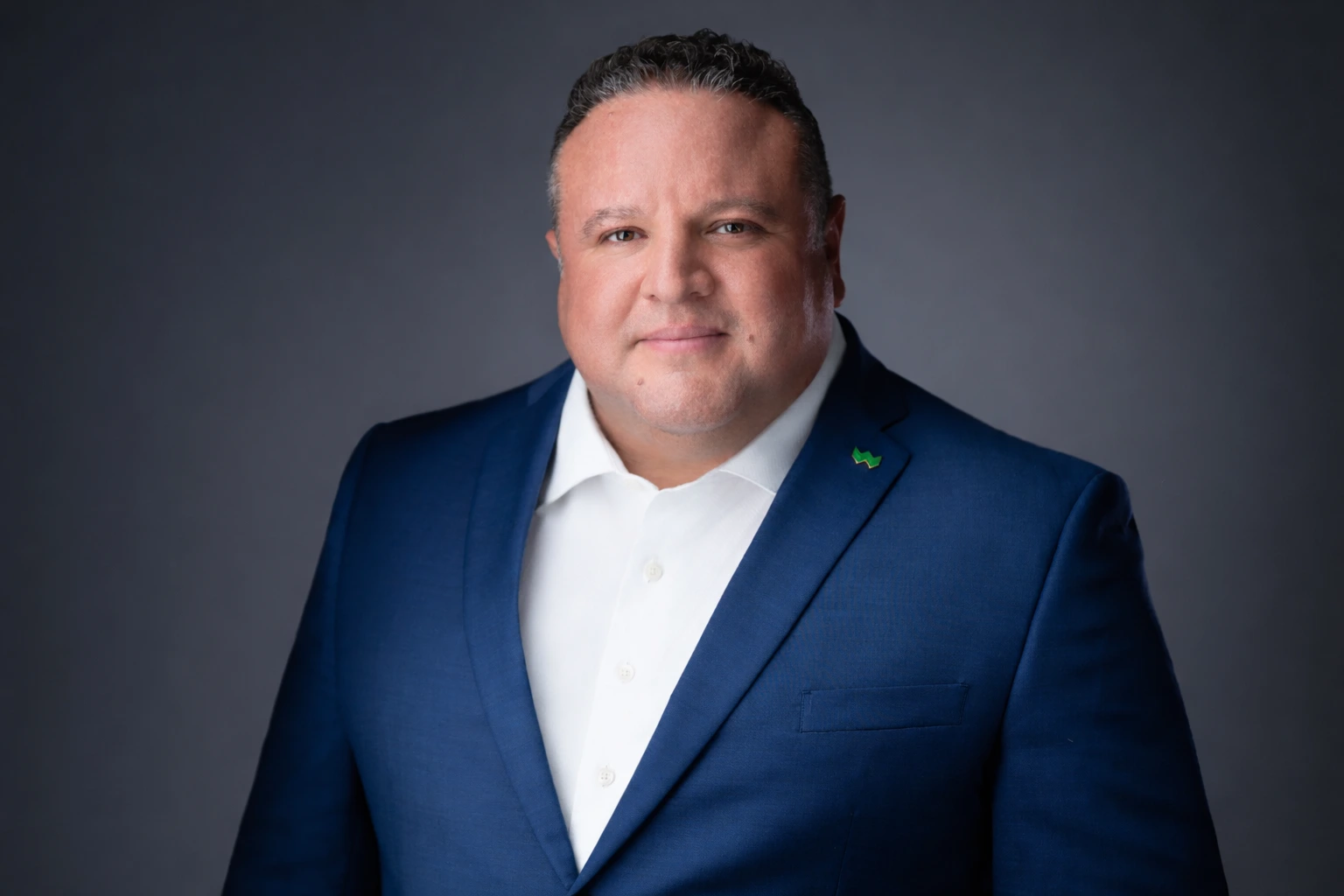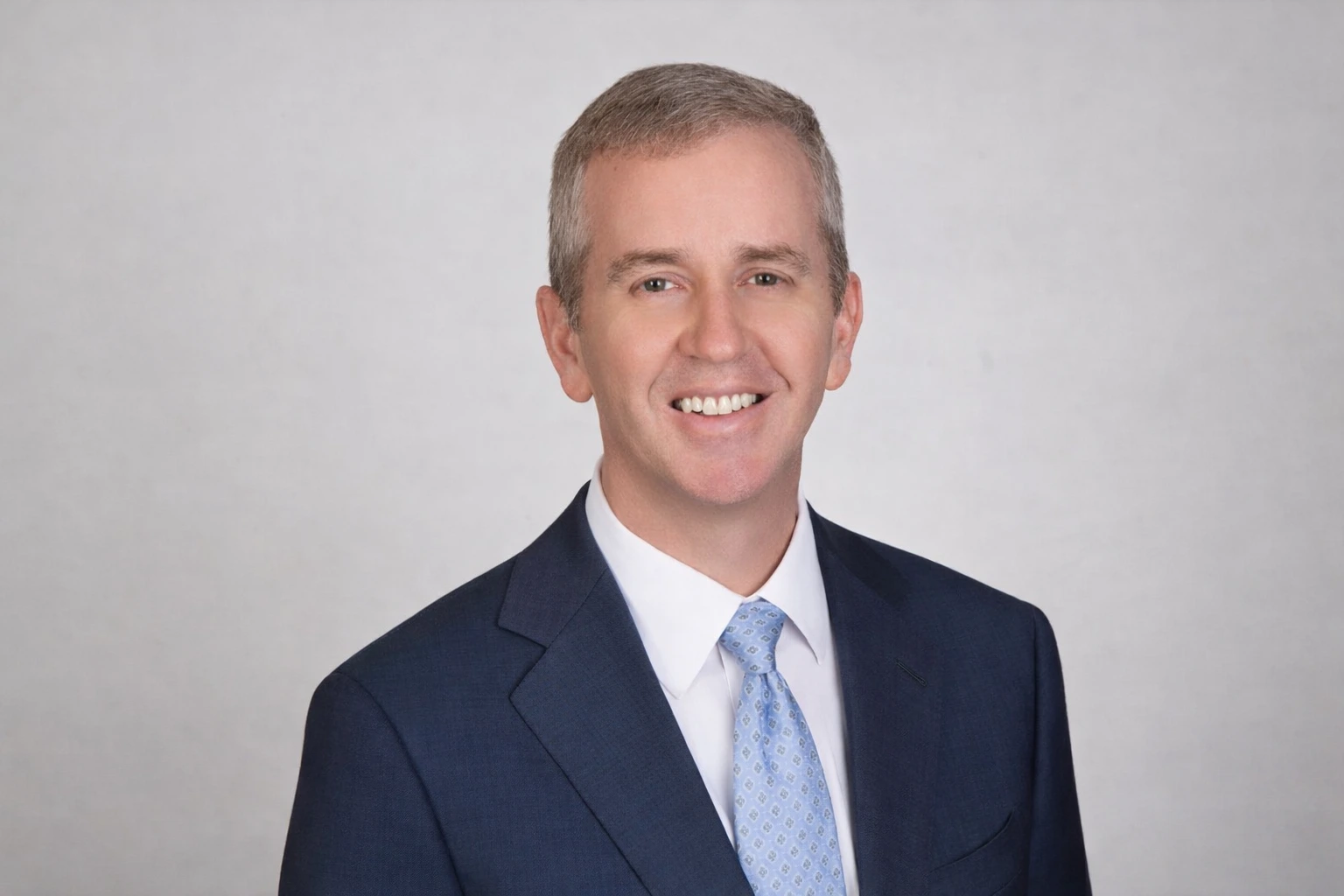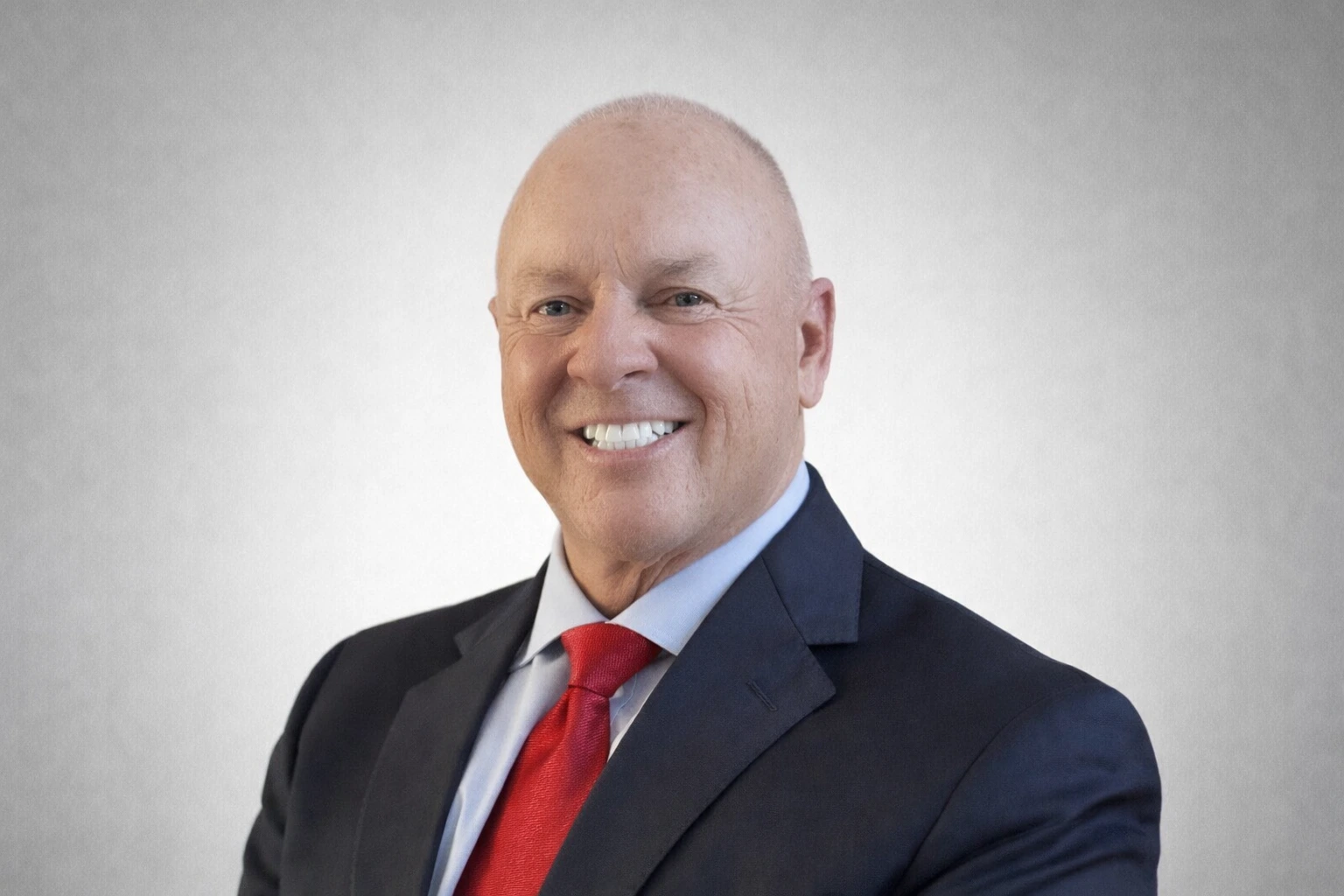

With Greg Morrell stepping into the CEO role, Tidehouse is positioning itself as a strategic growth partner for franchise brands seeking more integrated, data-driven support.
Tidehouse Agency is entering 2026 with a leadership shift and a broader mandate. The Raleigh-based marketing firm, which specializes in franchise growth, has named Greg Morrell as CEO, elevating its former president as it expands services aimed at supporting franchise brands across the full marketing funnel.
The timing is notable. As franchise systems face intensifying competition for both customers and prospective operators, agencies that once focused primarily on brand awareness or lead generation are now expected to integrate strategy, analytics, and operational alignment. Tidehouse’s emphasis on “full-funnel” growth reflects this shift, promising support that spans consumer acquisition, loyalty initiatives, and franchise development campaigns designed to convert inquiries into signed agreements.
In recent months, the agency has expanded or launched partnerships with brands including Radiance Holdings, BODYBAR Pilates, Brixx Wood Fired Pizza + Craft Bar, Senior Helpers, and Jeremiah’s Italian Ice. The projects range from integrated franchise development services and national brand awareness campaigns to paid media strategies and CRM integrations intended to streamline lead nurturing. Together, they illustrate how marketing for franchise brands increasingly requires coordination between local activation and national messaging.
Morrell’s appointment appears to be aimed at ensuring the agency can scale as client needs become more complex. Tidehouse has highlighted its use of data-driven campaigns, technology integration, and executive-level workshops designed to align leadership teams around growth objectives. While such language is common in agency communications, the underlying theme is more structural: franchise marketing is no longer a series of discrete tactics but an interconnected system spanning recruitment, brand storytelling, digital engagement, and performance measurement.
As Tidehouse heads into the International Franchise Association’s annual convention, it does so at a moment when franchising itself is evolving. Established legacy brands and emerging concepts alike are under pressure to differentiate in crowded categories, adapt to shifting consumer behaviors, and manage distributed networks of operators. Agencies that can bridge strategy and execution may find themselves playing a larger role in how franchise brands define — and sustain — their growth trajectories.