As rare conditions gain visibility and research momentum, The Boston Globe’s second annual summit aims to connect patients, clinicians, and policymakers in a space where medicine and lived experience increasingly overlap.
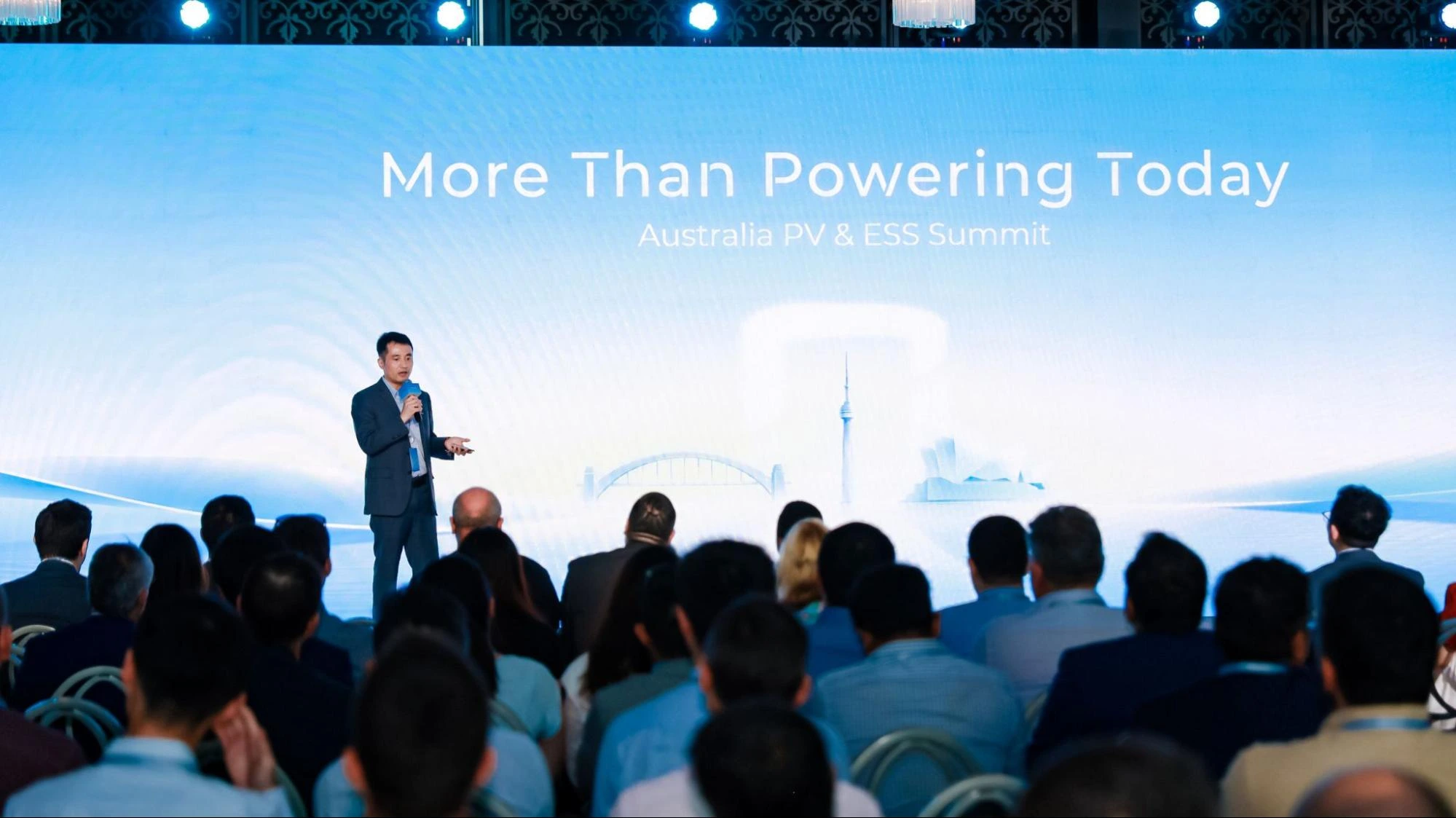
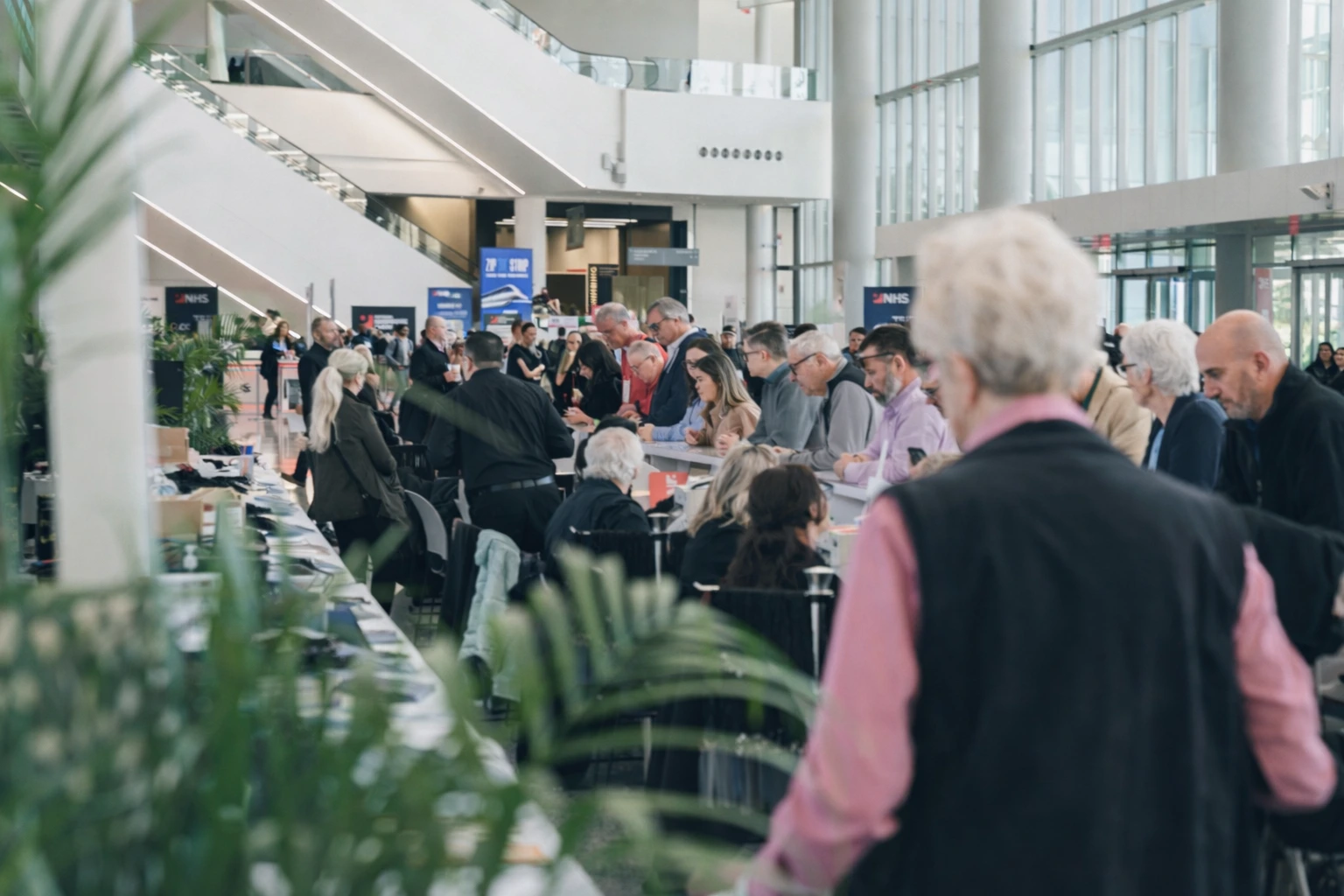
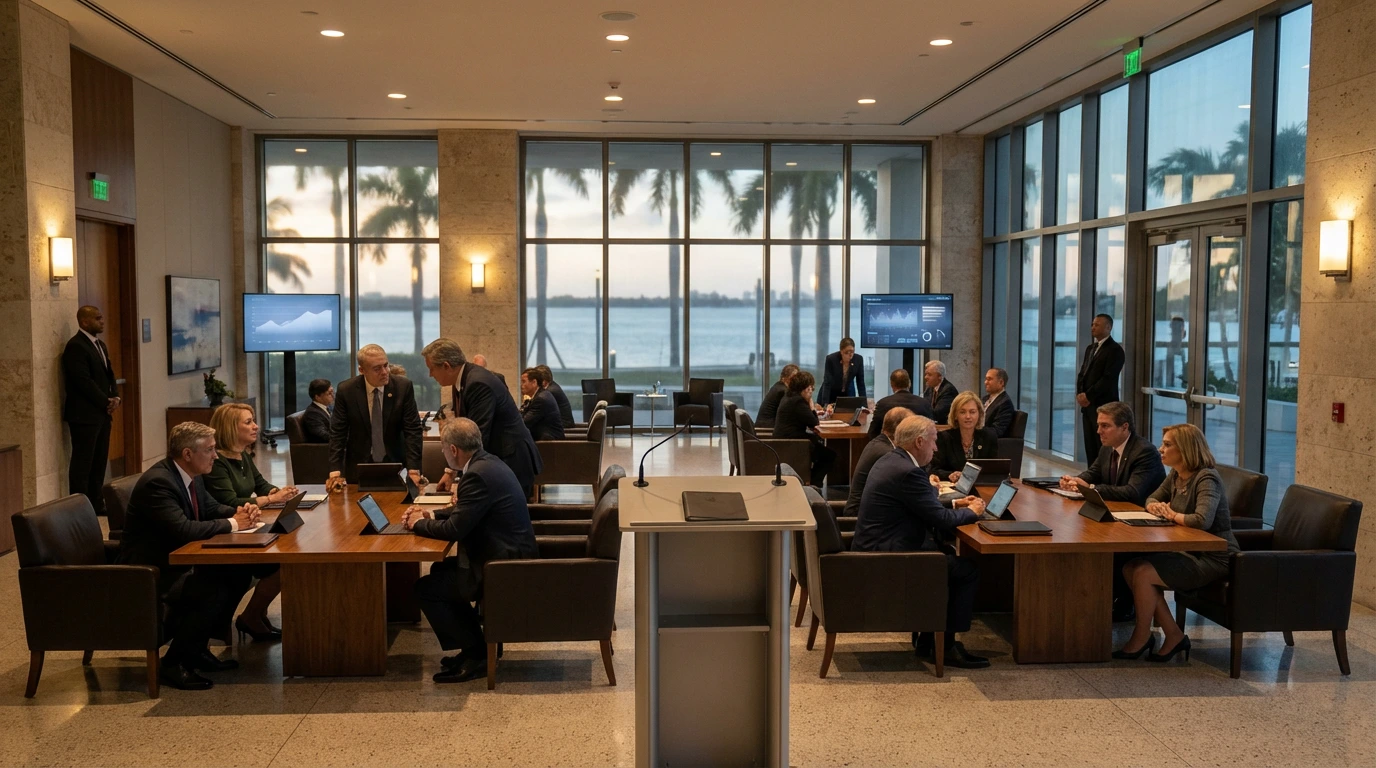
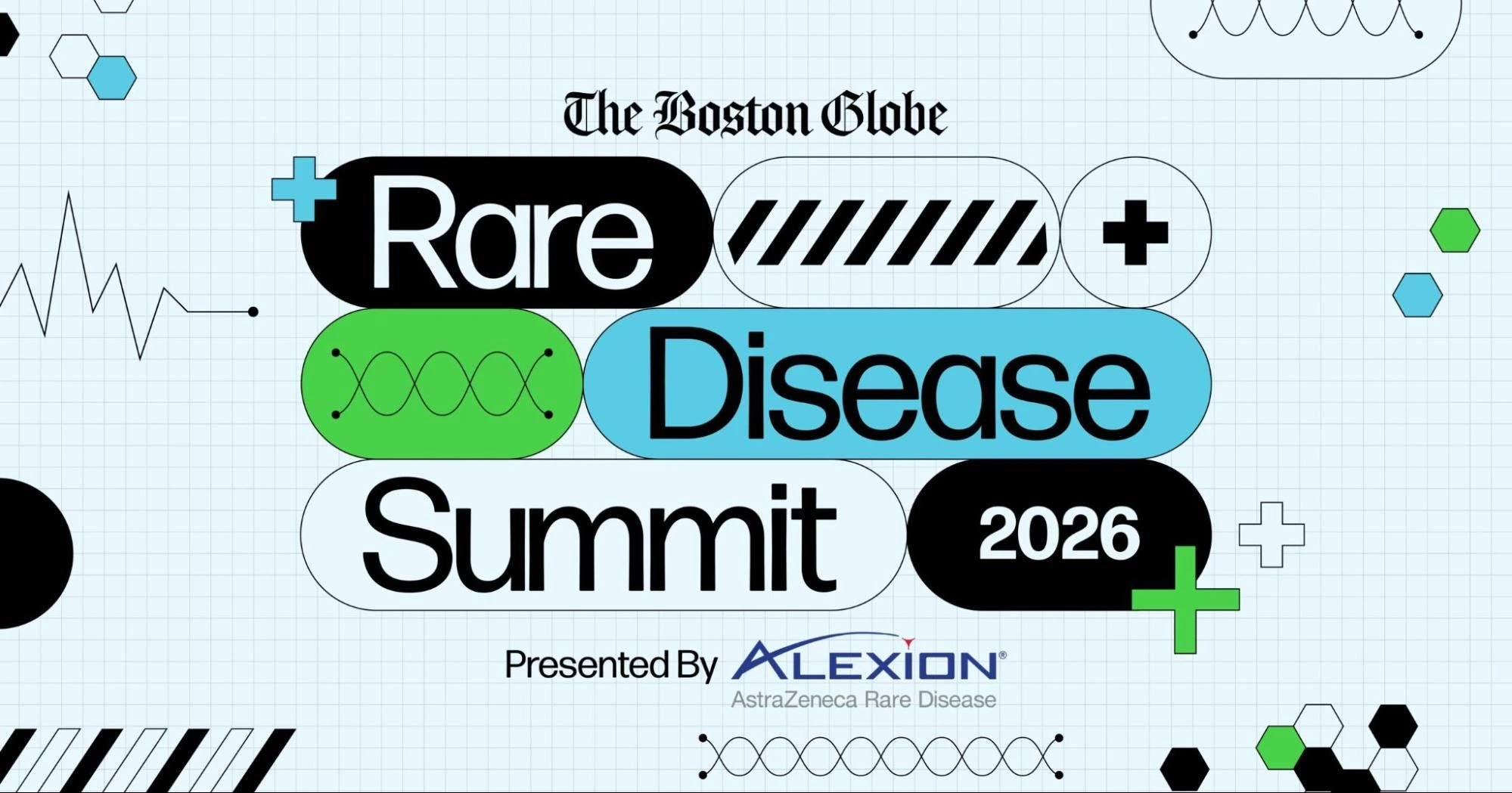
The Boston Globe is hosting its second annual Rare Disease Summit on February 24, bringing together advocates, researchers, policymakers, nonprofits, and companies working across the rare disease landscape. The event will be held both virtually and in person at Big Night Live in downtown Boston, with sessions moderated by Globe journalists who cover major regional health and medical issues.
The summit’s existence reflects a broader reality: rare diseases may be individually uncommon, but collectively they represent a significant public health challenge that often receives fragmented attention. Patients frequently spend years navigating misdiagnoses, limited treatment options, and a healthcare system not always structured to support highly specialized needs. Events like this one suggest growing recognition that progress in rare disease care depends not only on scientific breakthroughs, but also on better coordination, public awareness, and patient-centered decision-making.
This year’s agenda spans a range of themes that point to the complexity of rare disease beyond biology. Panels will address mental health, shared decision-making in genetic skeletal conditions, and the role of younger voices shaping advocacy efforts. Other sessions focus on hypoparathyroidism, rare cancers, and how lived experience can evolve into professional leadership, underscoring how many families become experts not by choice, but by necessity.
Notably, the summit blends public-facing journalism with industry participation, a combination that can be productive but also delicate. The Boston Globe is partnering with Biotech Tuesday! and lists Alexion, AstraZeneca Rare Disease as the presenting sponsor, alongside supporting sponsors including Ascendis Pharma, BioMarin, Chiesi Global Rare Diseases, and Rocket Pharma. Sponsorship is common in healthcare convenings, but it also highlights the growing influence of pharmaceutical and biotech firms in shaping rare disease narratives, research pipelines, and access discussions.
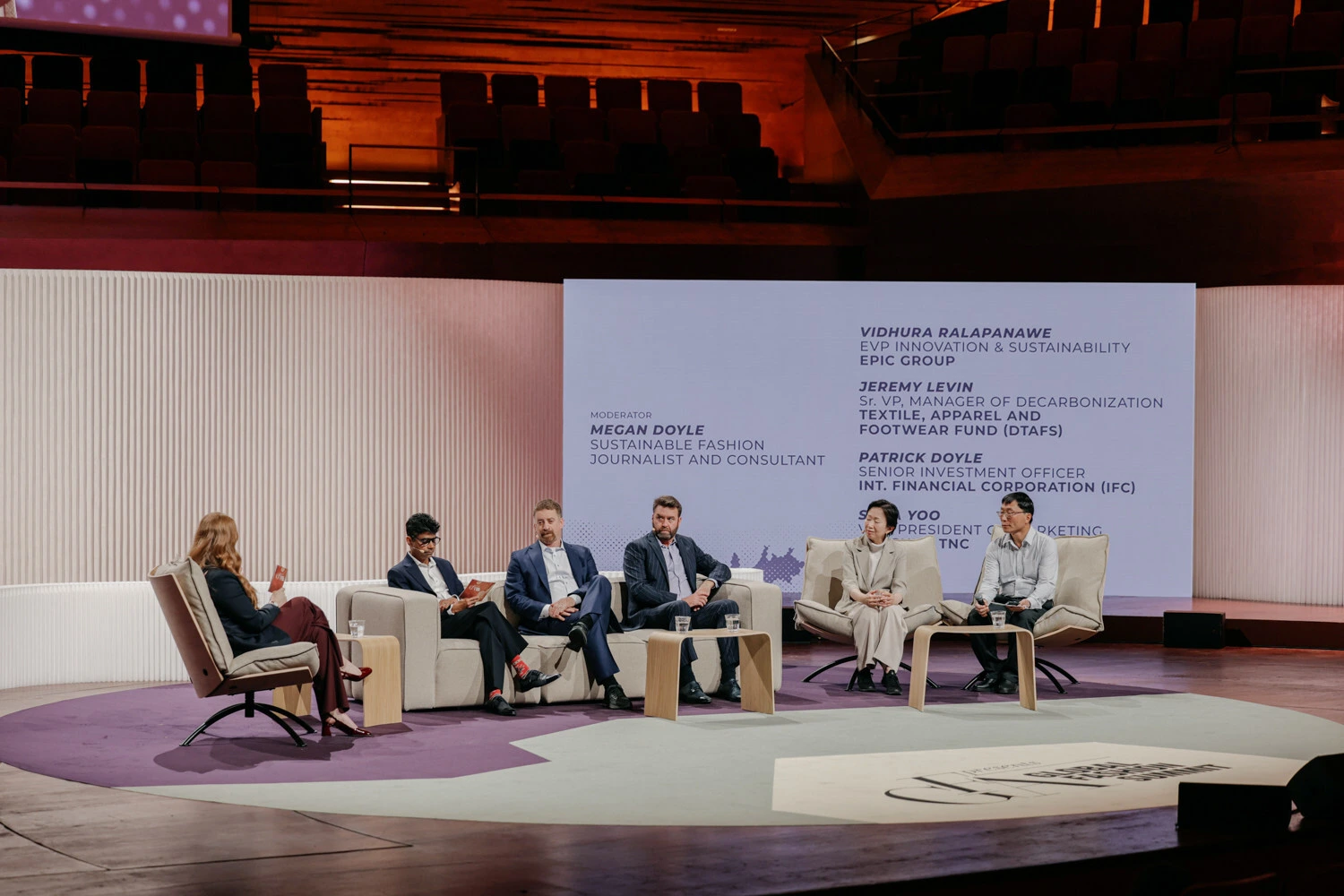
The event format—keynotes, panel discussions, a live podcast recording, and networking—suggests it is designed as much for community-building as for information sharing. That matters in rare disease spaces, where isolated patient populations often struggle to find support networks, let alone influence policy priorities.
In-person tickets include lunch, while virtual attendance is free, making the summit relatively accessible for a topic that often remains behind academic walls. At a time when healthcare conversations are increasingly shaped by both data and lived experience, The Boston Globe’s summit is a reminder that rare disease progress is as much about visibility and connection as it is about medicine.