A new partnership between a Las Vegas sports arena and a national park resort reflects how tourism brands are rethinking visibility, blending mass entertainment with conservation-driven destinations to reach travelers in unexpected ways.
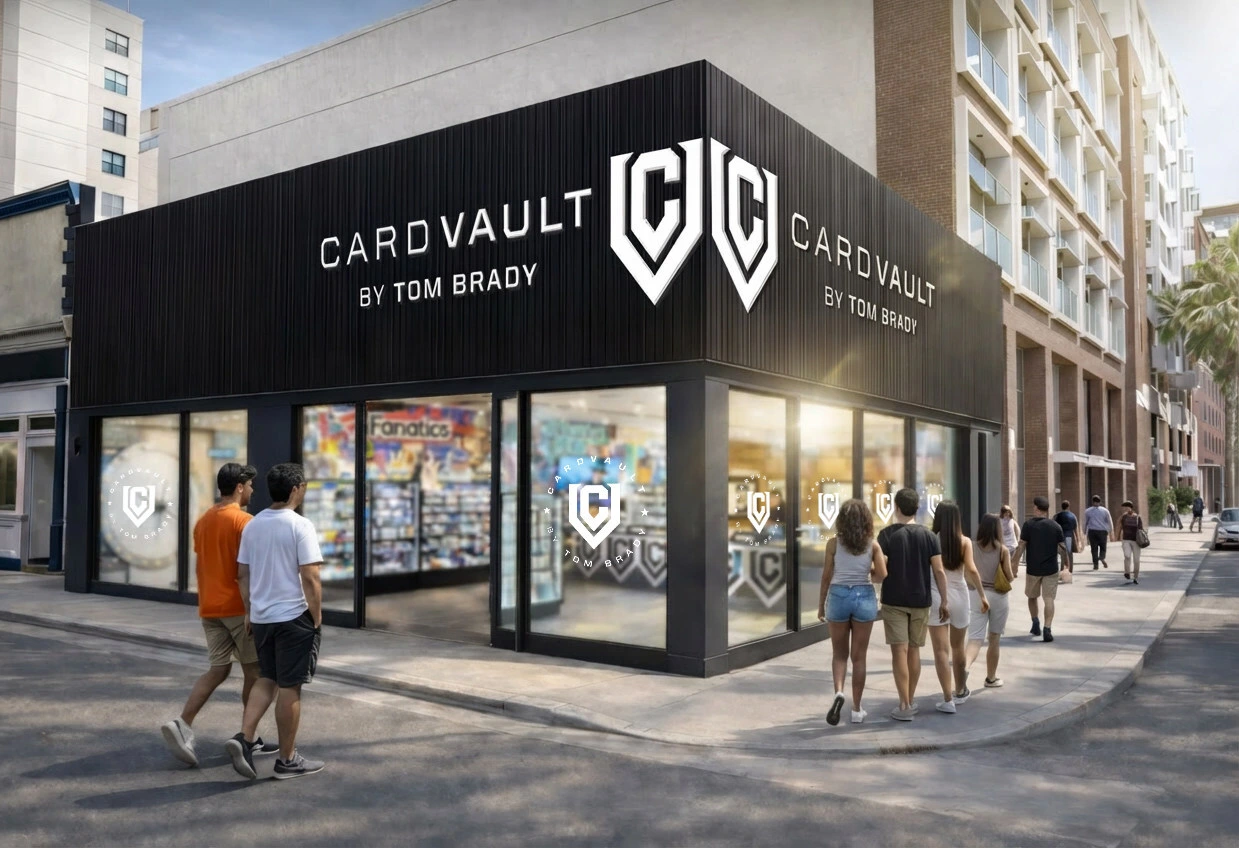
Xanterra Travel Collection®’s new multi-year partnership with T-Mobile Arena is less about conventional sponsorship and more about reframing how Americans discover public-land destinations. By placing The Oasis at Death Valley inside one of the busiest entertainment venues in the country, the company is testing whether proximity and contrast can drive curiosity just as effectively as traditional travel marketing. The move suggests that national park tourism is increasingly competing for attention in the same cultural spaces as sports and live entertainment.
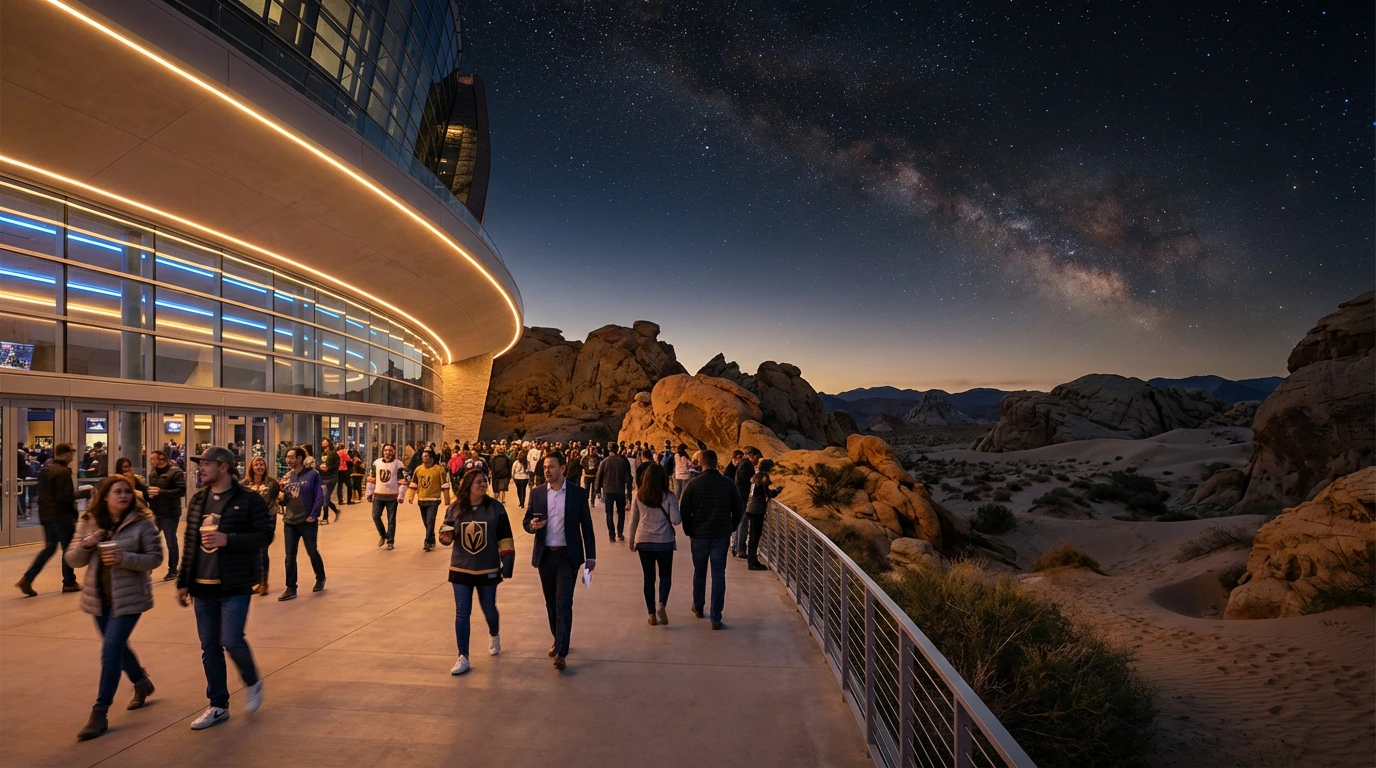
The partnership matters because it reflects a shift in how travel brands approach awareness in a crowded media environment. Rather than relying on aspirational imagery alone, Xanterra is embedding a remote, conservation-centered destination into the everyday experiences of millions of arena visitors. In doing so, it collapses the distance between the Las Vegas Strip’s spectacle and Death Valley’s stillness, presenting them as complementary rather than opposing experiences.
For T-Mobile Arena, the collaboration highlights how venues are evolving beyond event hosting into storytelling platforms. Premium seating areas, digital signage, and curated activations are no longer just hospitality upgrades; they are channels for brands to convey identity and values. In this case, the arena becomes a gateway to a national park landscape, subtly reframing leisure as something that can include both high-energy events and quiet, environmentally significant places.
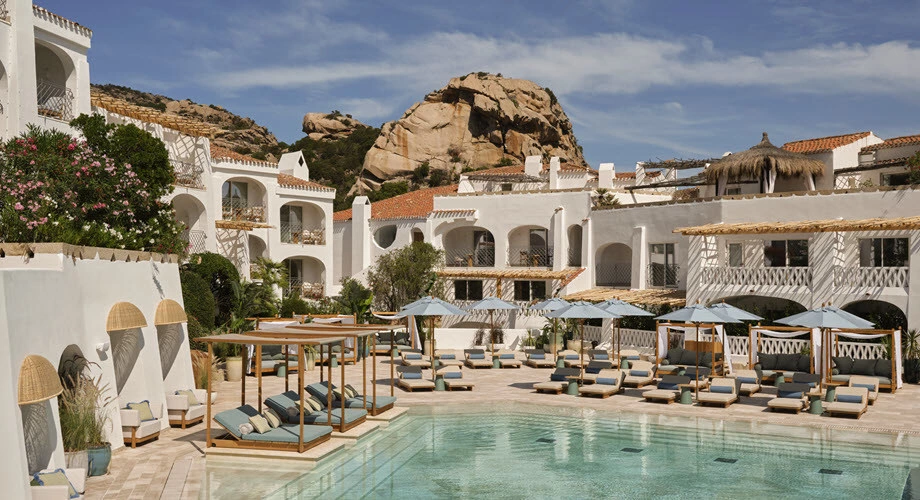
The Oasis at Death Valley itself represents a particular strain of modern tourism: luxury that exists within, rather than apart from, protected land. Its emphasis on dark-sky access, historic architecture, and natural features reflects growing demand for experiences that balance comfort with environmental awareness. Featuring such a destination in a high-profile urban venue underscores how sustainability-oriented travel is being positioned not as niche, but as mainstream.
More broadly, the deal points to a changing relationship between public lands and commercial visibility. As visitation patterns shift and parks face both overcrowding and funding pressures, partnerships that raise awareness without encouraging overuse become increasingly significant. Whether this arena-based exposure leads to deeper engagement with national parks remains to be seen, but it signals that the future of travel marketing may lie as much in cultural crossover as in scenic isolation.