The platform’s newest course, “Rebuild Your Focus & Reclaim Your Time,” arrives as burnout remains widespread, offering a structured alternative to always-on work and productivity theater.
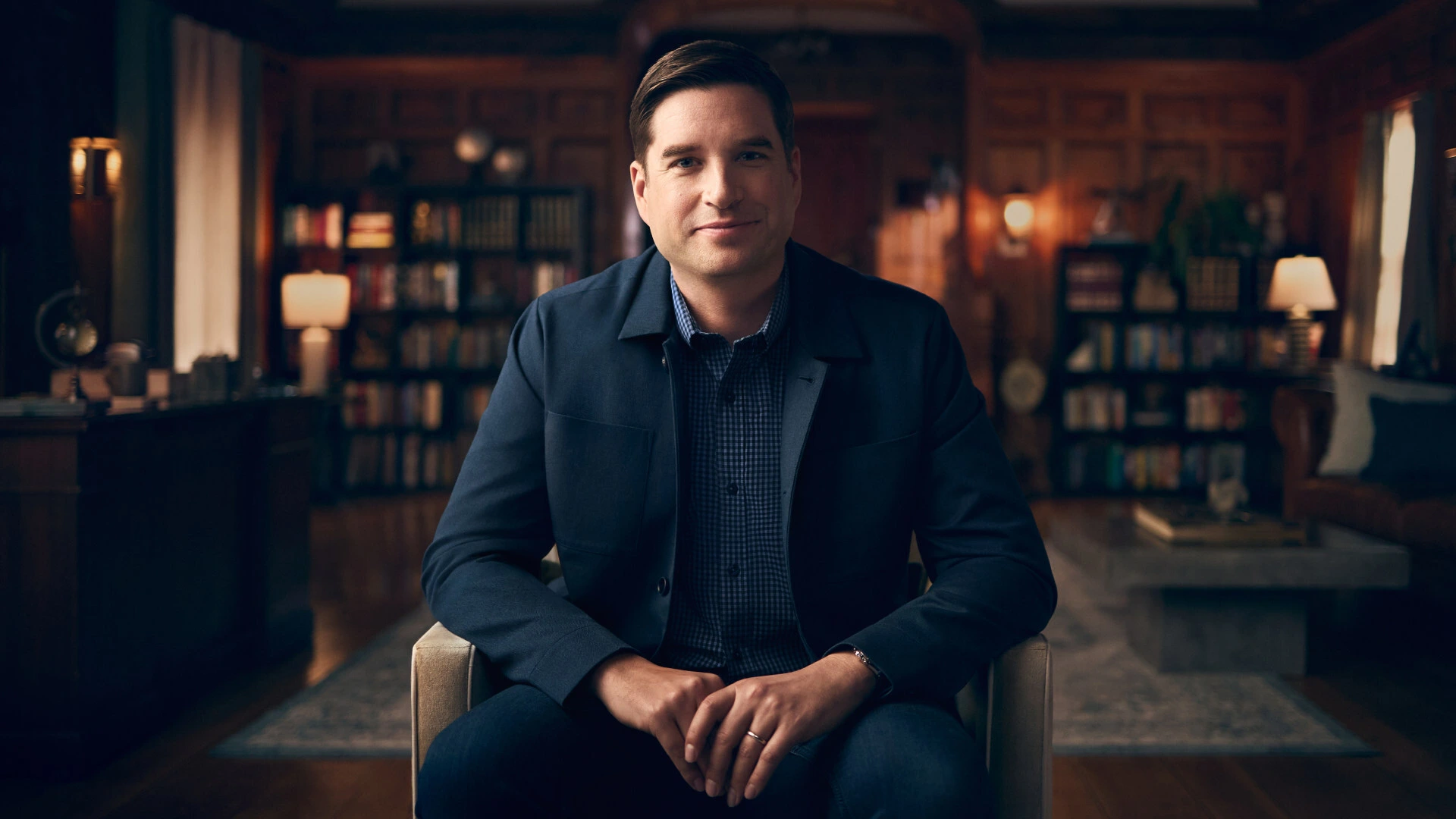
MasterClass has released a new course taught by Georgetown professor and bestselling author Cal Newport, aiming to help members rethink how they work in an era defined by digital overload. The class, titled Rebuild Your Focus & Reclaim Your Time, is positioned as a practical response to the exhaustion many professionals feel as work becomes increasingly fragmented and performative.
The launch comes as burnout continues to dominate workplace conversations, with MasterClass citing research from Censuswide showing more than 66% of U.S. professionals reported burnout in 2025. Rather than framing productivity as doing more, Newport’s approach pushes in the opposite direction: doing fewer things, working at a natural pace, and obsessing over quality. The idea is not simply to manage stress, but to build a work rhythm that can sustain meaningful output over time.
Newport draws on historical and modern examples to illustrate how stepping back from constant activity can create space for higher-impact work. He points to Benjamin Franklin, who removed himself from daily operations to focus on larger contributions, and Lin-Manuel Miranda, who created breakthrough work by taking long stretches away before returning with renewed focus. The underlying message is that creativity and high-level performance often require deliberate absence, not constant availability.
Across four lessons, the course offers tactics that reflect Newport’s broader philosophy of “slow productivity.” It includes strategies for reducing low-value tasks, redesigning calendars through time-blocking, and protecting deep, uninterrupted thinking. Newport also discusses the role of tools such as AI, quotas, and boundary-setting as ways to reduce administrative noise and reclaim time that is typically lost to distraction.
What makes the release notable is how directly it confronts a common modern contradiction: many workplaces reward visible busyness while simultaneously demanding innovation and long-term thinking. Newport’s framework suggests that the path to career growth may depend less on volume and responsiveness, and more on the ability to produce work that is distinctive, well-crafted, and difficult to replicate.
For a learning platform built on aspirational expertise, the course reflects a timely pivot toward a different kind of ambition—one rooted not in speed, but in focus.