Mars uses product design and celebrity partnership to tap into a broader cultural embrace of multi-hyphenate identities, where consumers increasingly resist choosing between interests or roles
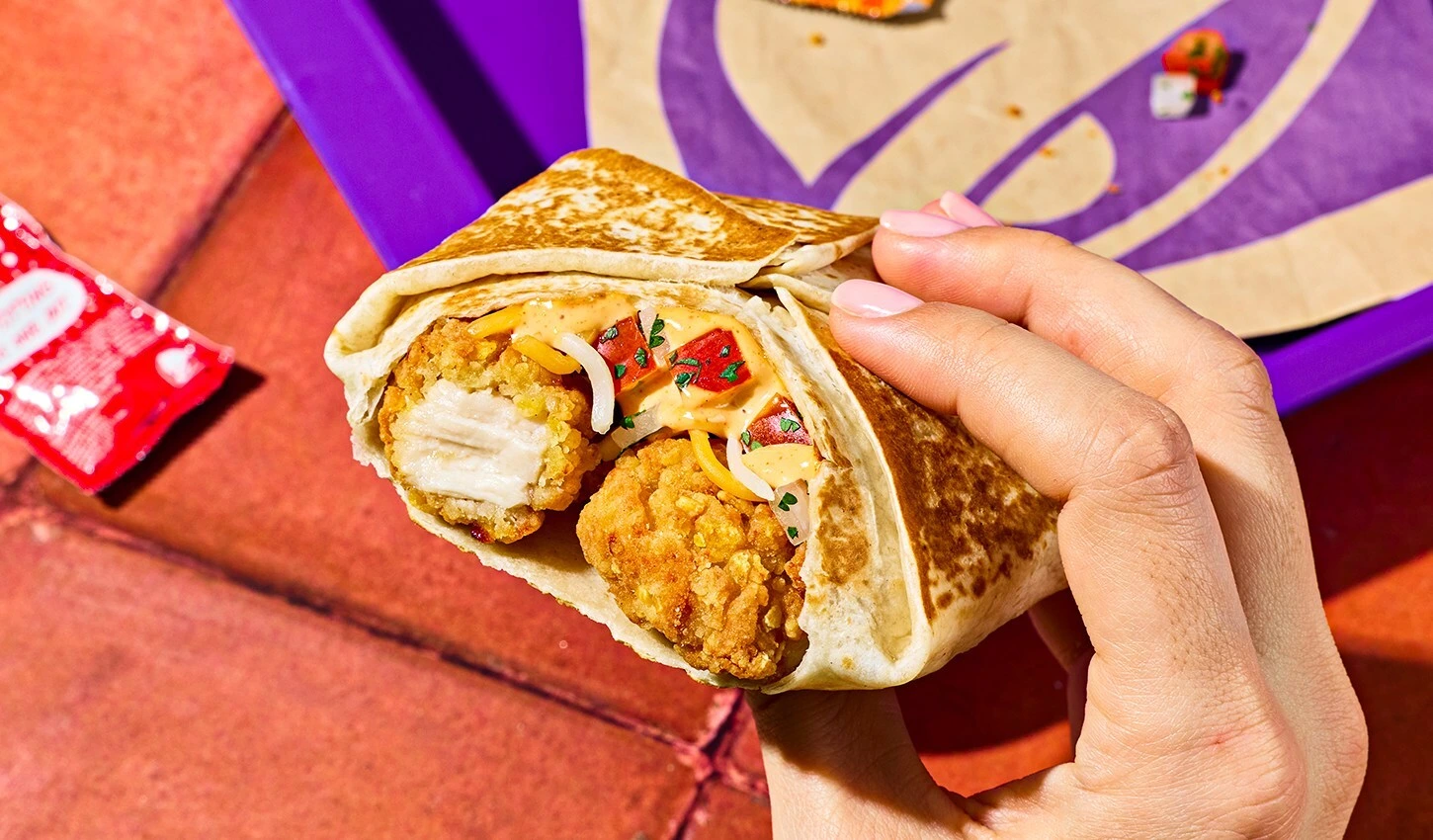
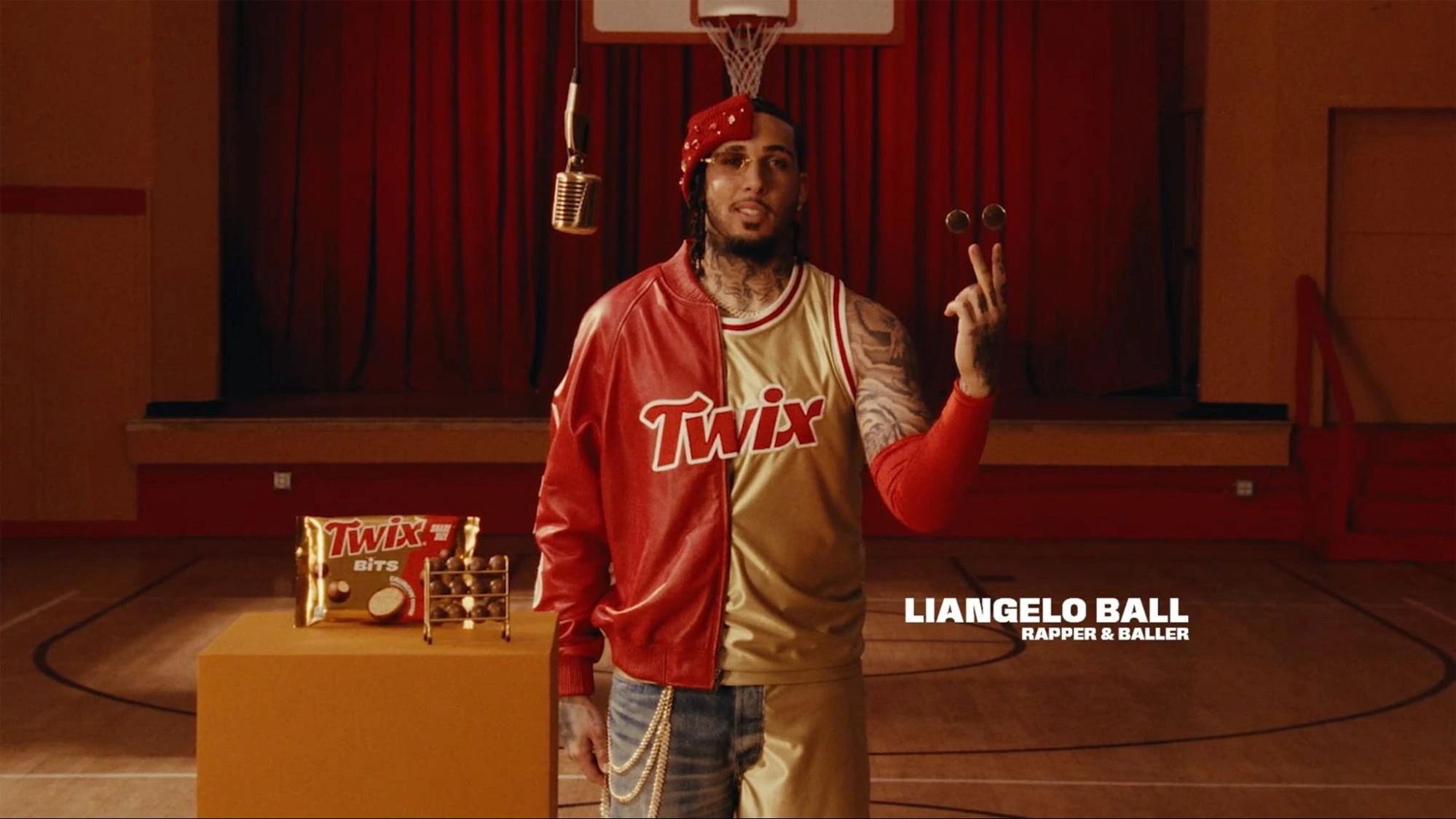
Mars, through its TWIX brand, is introducing TWIX Bits alongside a campaign built around the idea of dual identity, reflecting a shift in how consumer brands connect with audiences. The product itself—a bite-sized version combining chocolate, caramel, and cookie—mirrors the brand’s longstanding “two-in-one” concept, but the surrounding campaign extends that idea into culture and identity.
Central to the launch is a partnership with LiAngelo Ball, whose career spans professional basketball and music. His involvement positions the campaign within a broader narrative that celebrates individuals who operate across multiple domains, an increasingly common theme in contemporary branding. Rather than focusing solely on product attributes, the campaign frames consumption as an extension of personal identity and self-expression.
This approach reflects a wider trend in marketing, where brands align themselves with behavioral and cultural patterns rather than simply highlighting features. The emphasis on “two-ness” resonates with audiences navigating multiple roles—professional, creative, and personal—often simultaneously. By connecting the product to this idea, TWIX is attempting to remain relevant in a landscape where consumers expect brands to reflect lived experiences rather than just deliver convenience or taste.
The inclusion of a consumer sweepstakes tied to “dual talents” further reinforces this positioning. Encouraging participants to articulate and share their own multifaceted identities transforms the campaign into an interactive experience, blurring the line between marketing and participation. This kind of engagement strategy has become increasingly common as brands seek to build communities rather than one-directional messaging.
Ultimately, the launch of TWIX Bits highlights how even established products are being reframed through contemporary cultural lenses. While the core offering remains familiar, the narrative around it evolves, suggesting that the future of consumer goods may depend as much on storytelling and identity alignment as on the products themselves.