New product range reflects rising demand for targeted, science-driven gut health solutions that connect digestion with broader concerns like stress, metabolism, and skin wellness
OLLY is expanding its presence in the fast-growing gut health category with the introduction of a new line of targeted probiotic supplements, signaling a broader shift in how consumers approach everyday wellness. Rather than positioning probiotics solely as digestive aids, the company is leaning into a more personalized model that connects gut health to multiple aspects of physical and mental well-being.
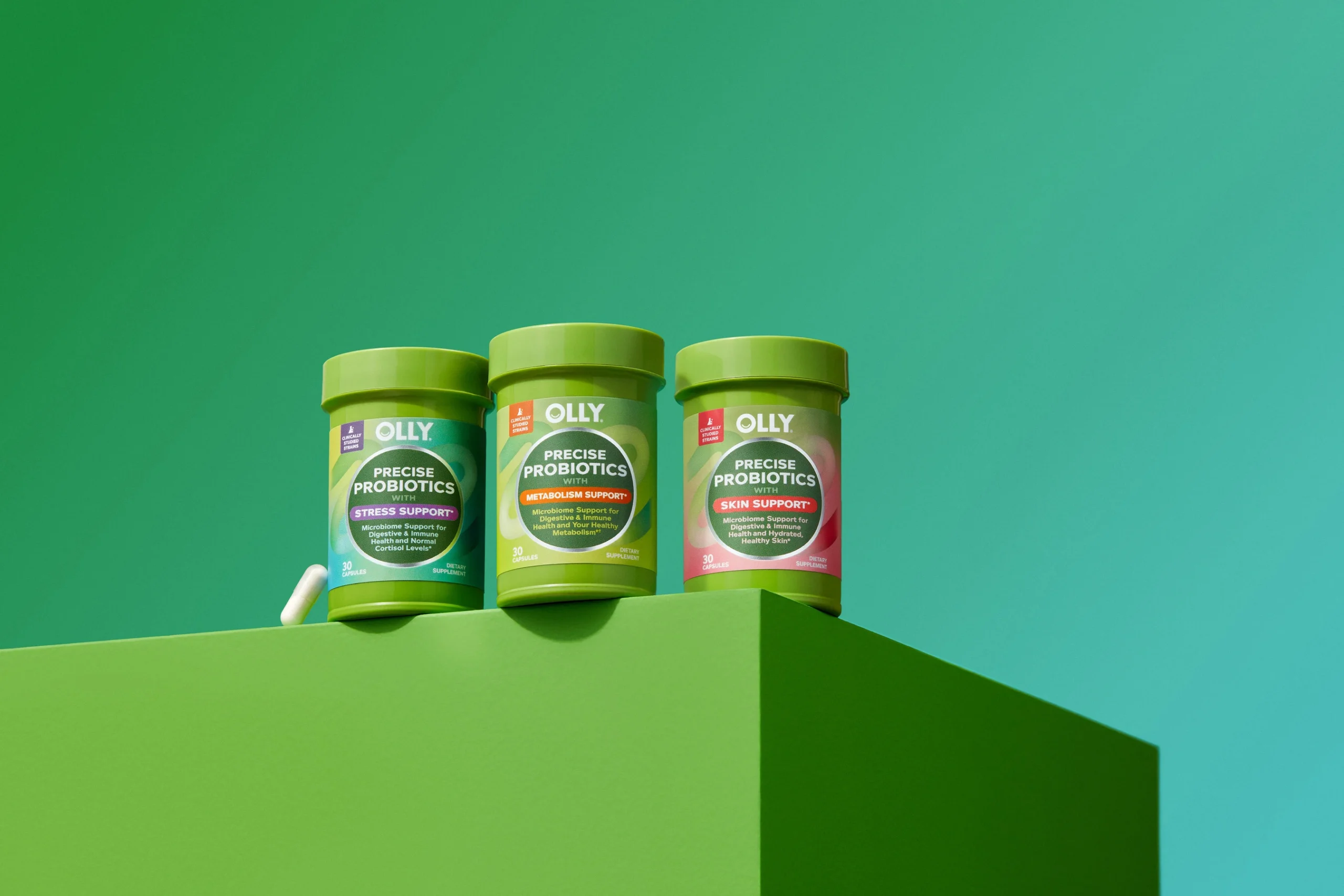
The new product line focuses on three specific areas—stress, metabolism, and skin—each built around clinically studied probiotic strains designed to interact with different systems in the body. This reflects a growing body of research and consumer interest in the microbiome’s role beyond digestion, particularly its influence on mood regulation, metabolic function, and skin health. In this context, supplements are increasingly marketed not as general wellness tools but as targeted interventions aligned with specific lifestyle concerns.
OLLY’s decision to offer these formulations in a simplified, once-daily capsule format also points to an ongoing tension in the supplement industry: balancing scientific complexity with consumer accessibility. While microbiome science continues to evolve, brands are under pressure to translate emerging research into products that feel intuitive and easy to integrate into daily routines. The emphasis on clinically studied strains suggests an attempt to build credibility in a category often criticized for inconsistent evidence and marketing claims.
The exclusive retail partnership tied to the launch further underscores how distribution strategies are evolving alongside product innovation. By aligning with a major retailer, OLLY is positioning its new line within a curated wellness environment where consumers increasingly expect both convenience and a degree of quality assurance. This approach reflects a broader retail trend in which health products are grouped and marketed as part of a cohesive lifestyle offering rather than isolated purchases.
More broadly, the launch highlights how the supplement industry is moving toward personalization as a central value proposition. As consumers become more informed and selective, demand is shifting toward products that promise specificity and measurable outcomes. Whether these claims translate into long-term trust will likely depend on how transparently companies communicate the science behind their formulations and how consistently those products meet consumer expectations.