An interview with the founder of an AI-driven agriculture-tech startup on precision, sustainability, and farmer trust
Key Takeaways
- AI must adapt to nature’s variability, not override it
- Farmer trust is earned through reliability, not novelty
- Data is only useful when it’s timely and actionable
- Sustainability starts with operational efficiency
- Long-term resilience matters more than short-term yield gains
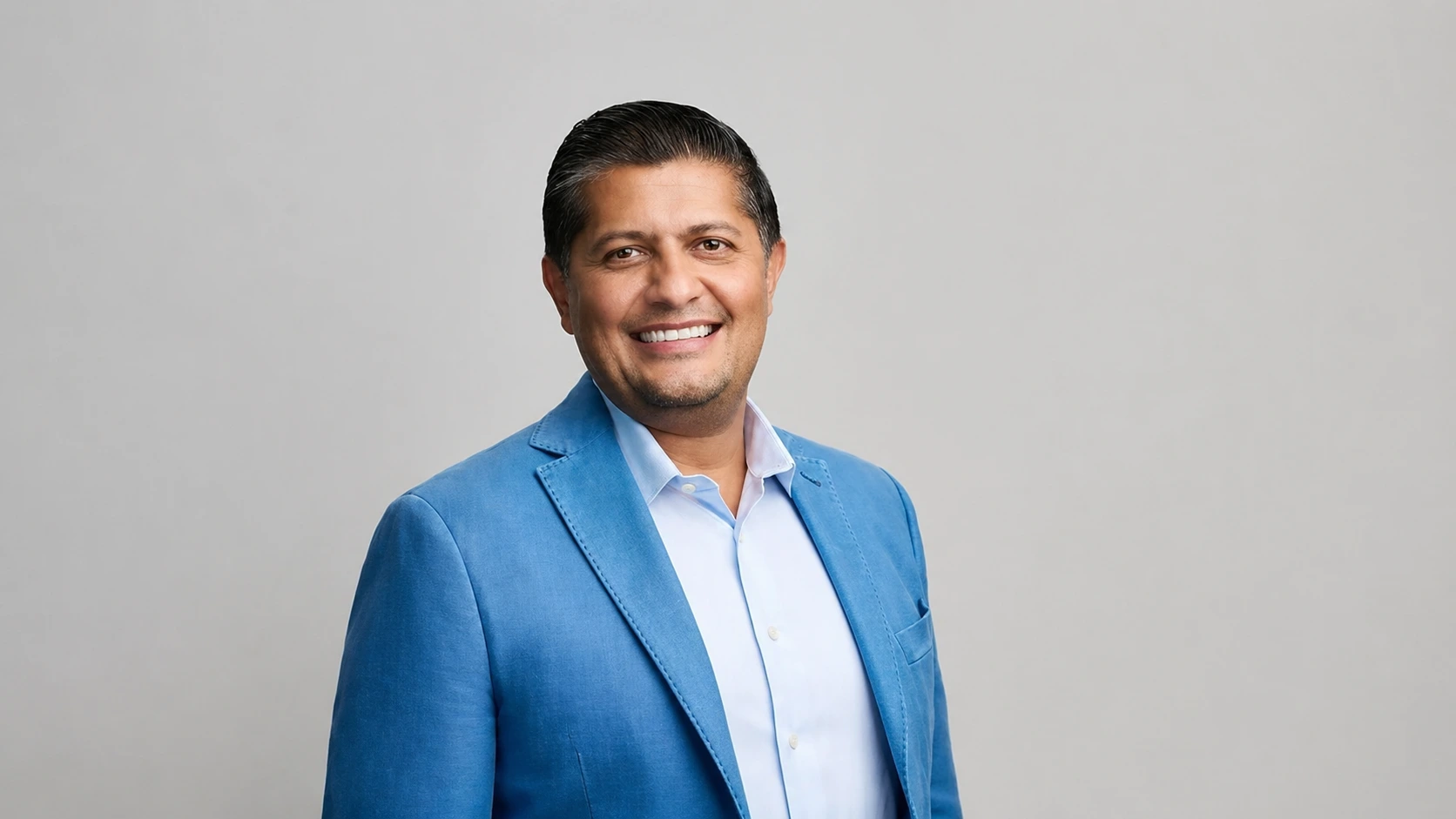
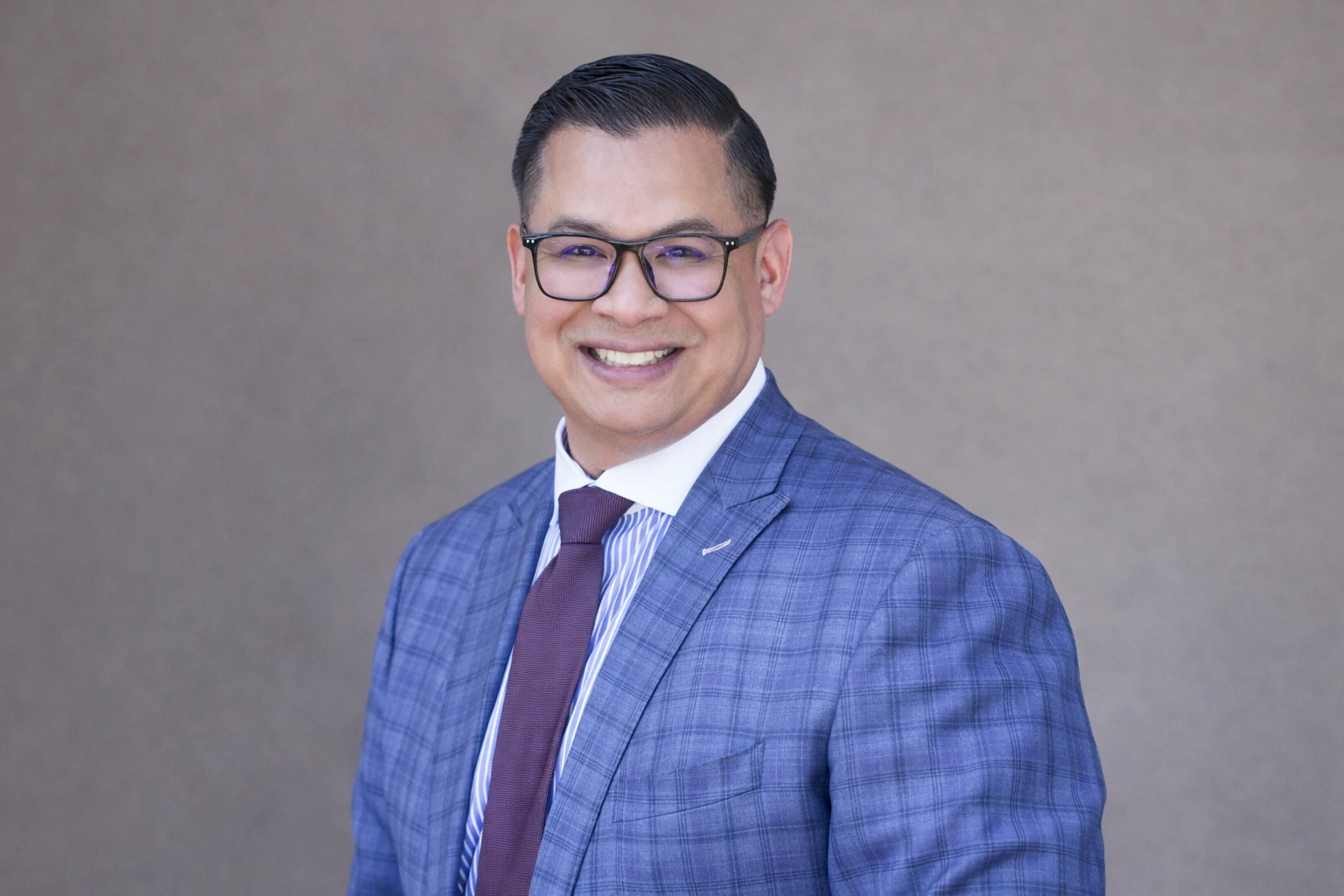
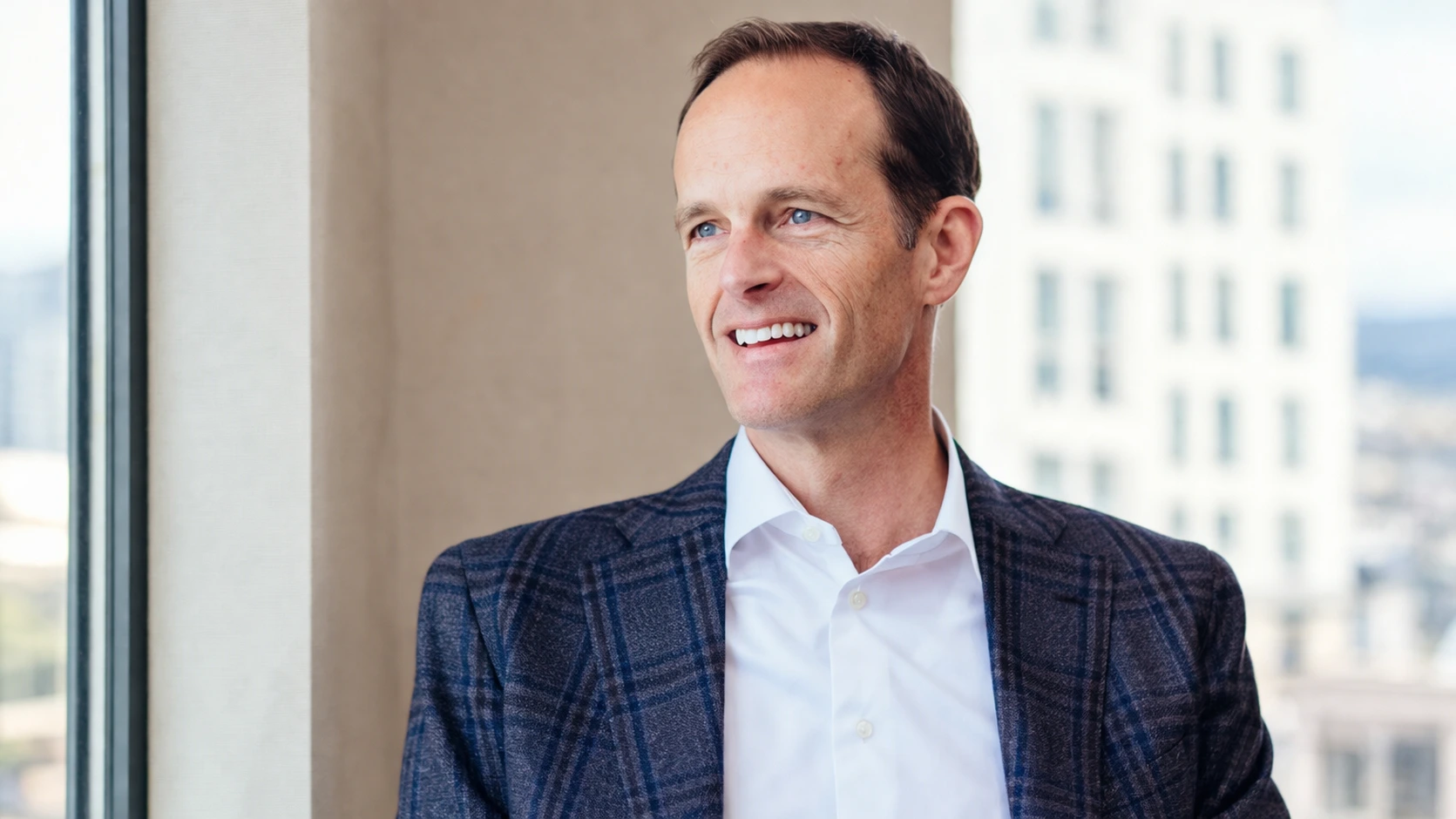
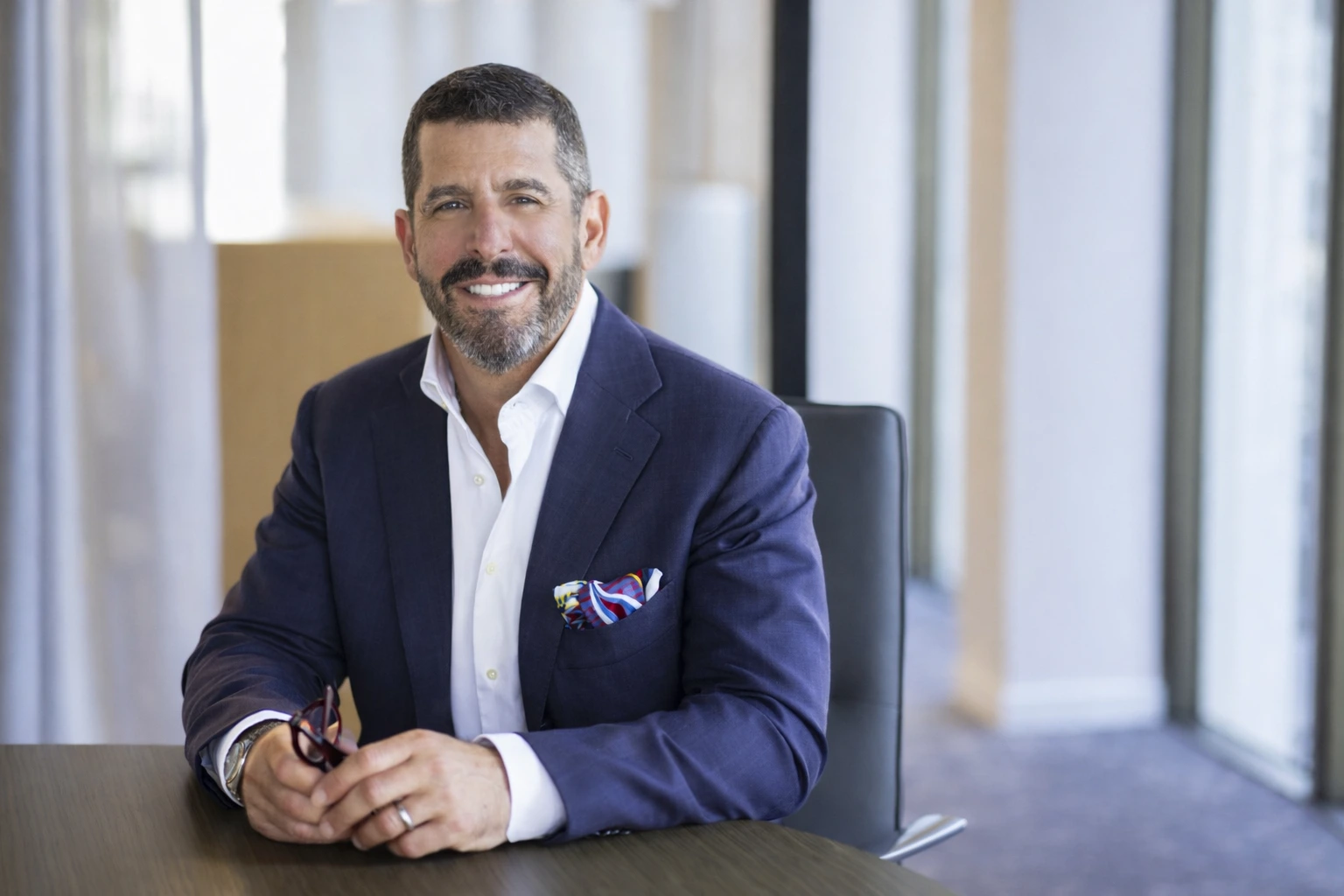
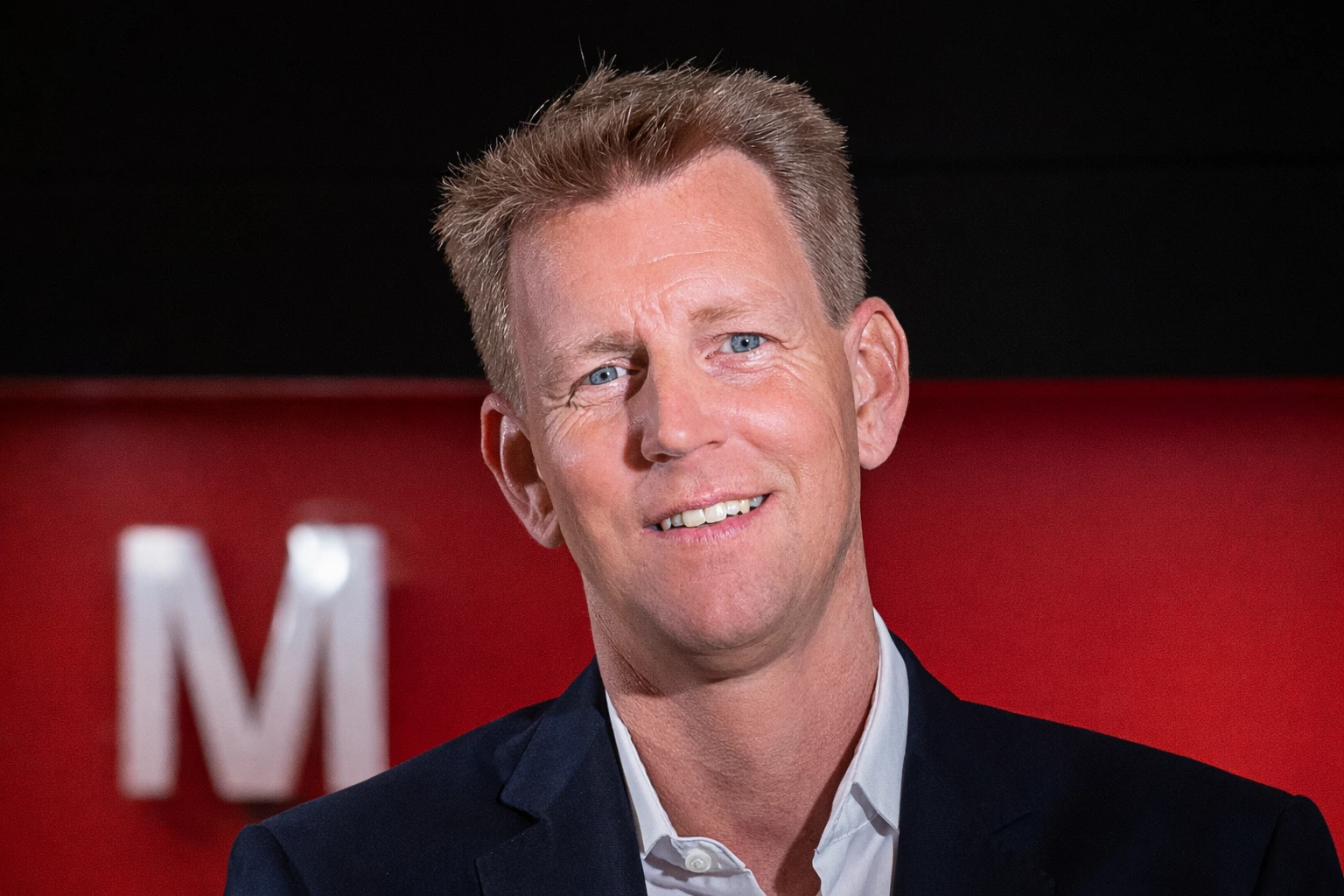
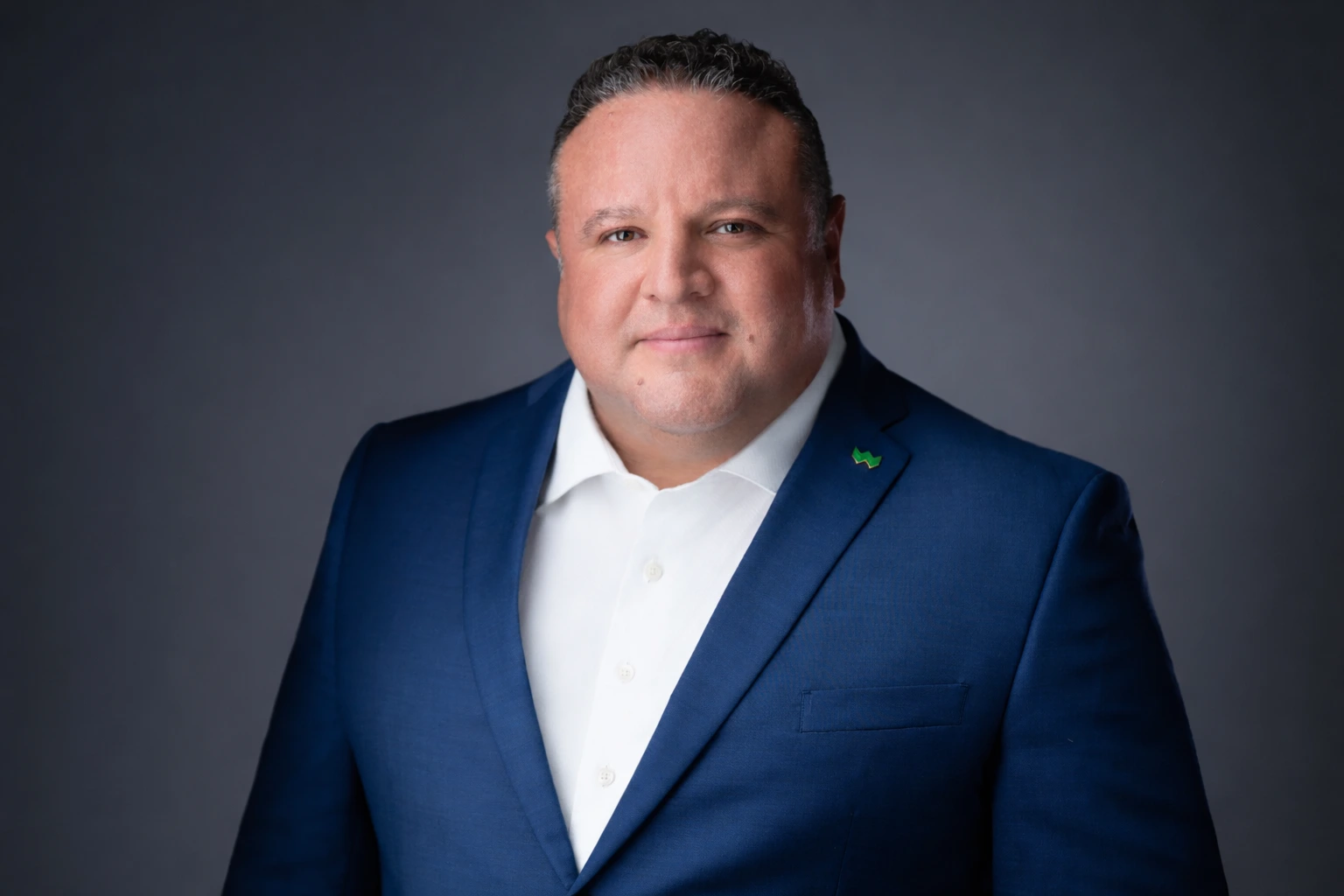
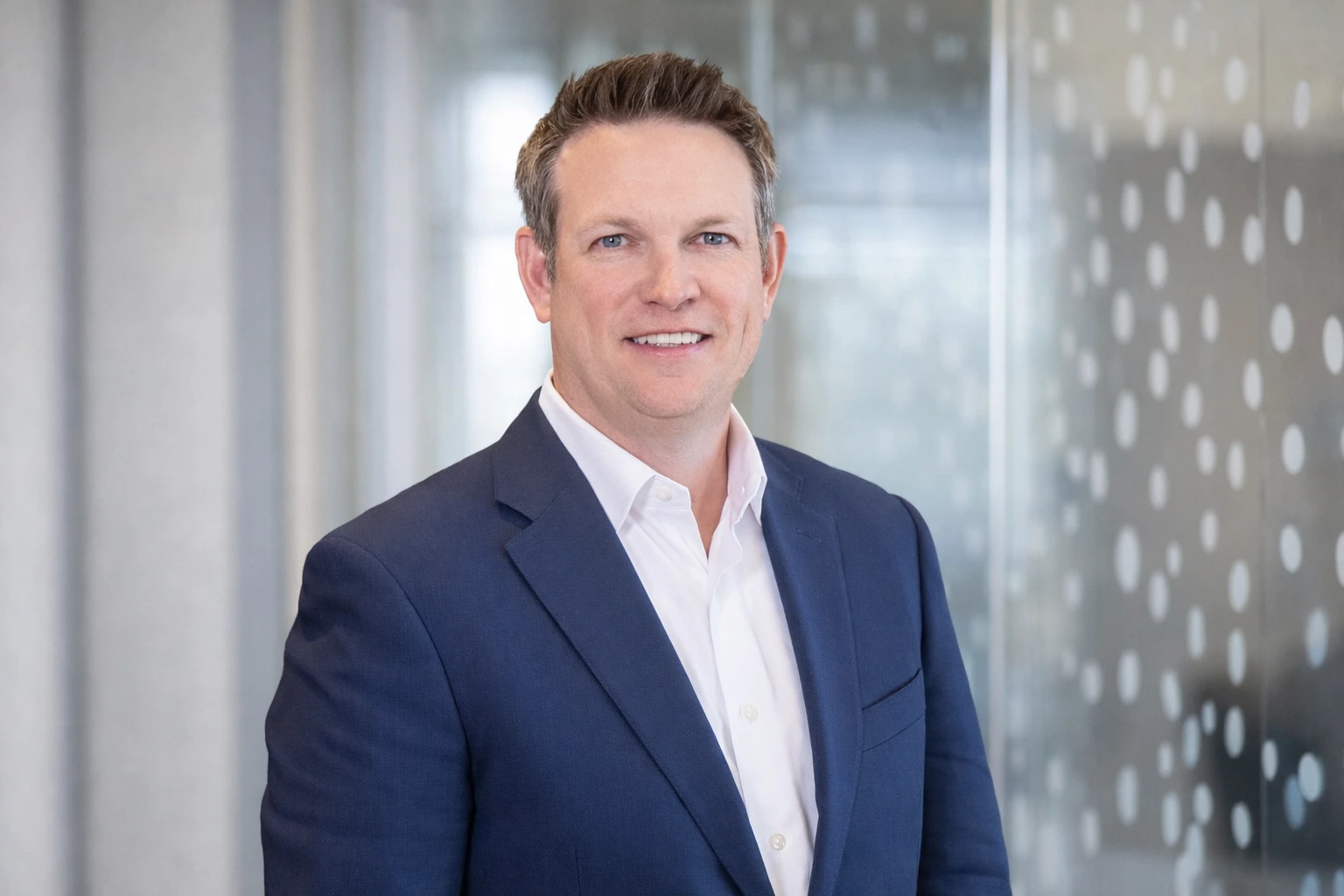
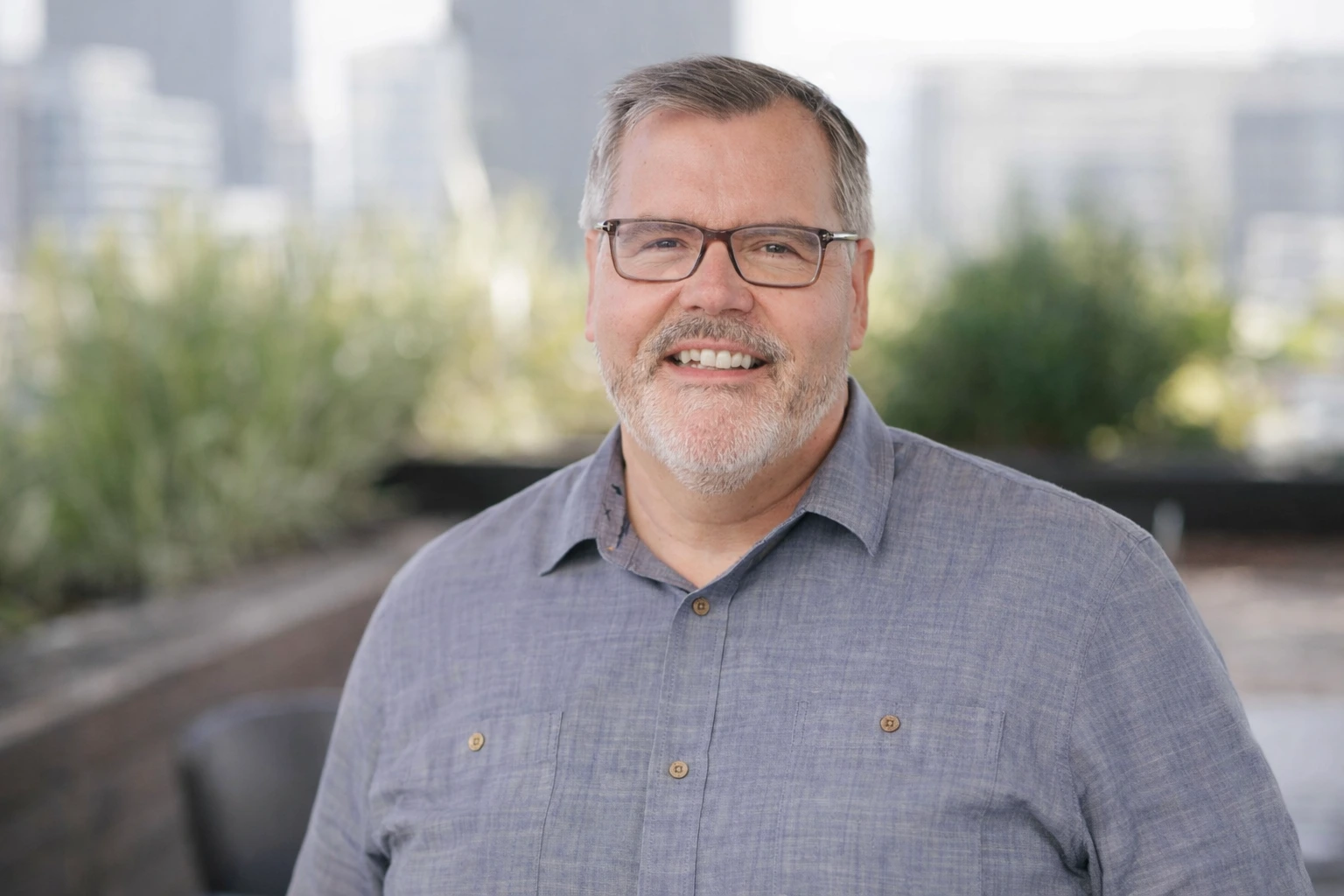
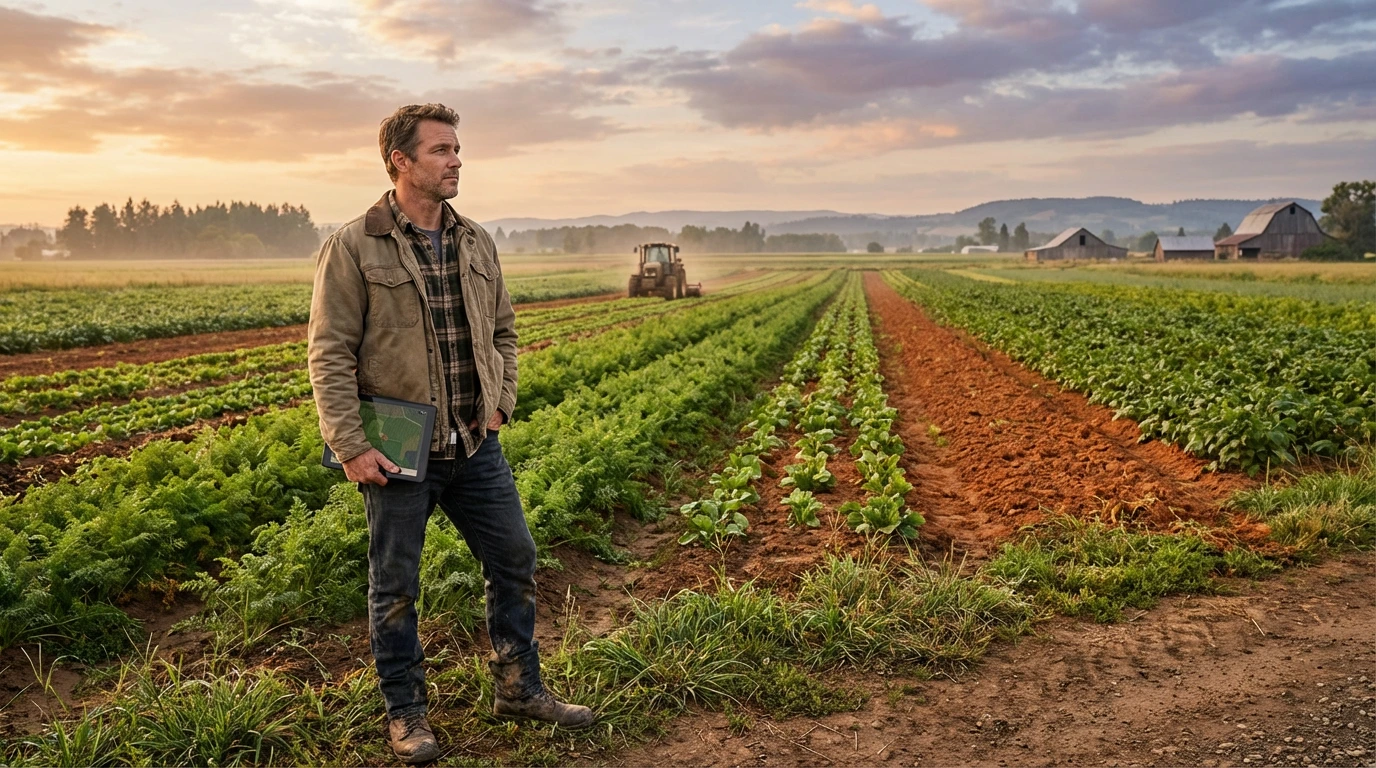
Agriculture has always been a technology-driven industry, even if its tools don’t always look digital. Today, as climate volatility, labor shortages, and input costs rise, farmers are being asked to produce more with less margin for error. For Lucas Hernández, founder and CEO of the AI-powered agtech startup Fieldwise, the promise of artificial intelligence lies not in abstract optimization, but in practical decision support grounded in real-world conditions. Raised in a multi-generational farming family before moving into data science, Hernández brings both lived experience and technical rigor to the problem. In this interview, he explains why agriculture demands humility from technologists, how AI can complement farmer intuition, and what it takes to earn trust in one of the world’s most risk-sensitive industries.
Interview
Q1: What motivated you to build an AI company focused on agriculture?
For me, it was personal. I grew up on a farm, and I’ve seen firsthand how many decisions farmers make with incomplete information. Weather shifts, soil variability, pest pressure—none of it behaves predictably, yet the consequences of a wrong call can last an entire season.
When I later studied data science, I kept thinking about how much better those decisions could be with the right tools. Fieldwise started from the idea that AI shouldn’t replace farmer judgment, but should strengthen it by turning scattered signals into clearer insights. Agriculture doesn’t need more dashboards—it needs better timing and confidence.
Q2: How does Fieldwise use AI in a way that fits agricultural realities?
One of the biggest mistakes agtech companies make is assuming farms operate in controlled environments. They don’t. Every field is different, every season is different, and farmers already manage a lot of uncertainty.
Our AI models integrate satellite imagery, soil data, weather forecasts, and historical yield patterns to generate field-specific recommendations. But we’re very careful about how those recommendations are presented. Instead of prescriptions, we provide ranges, probabilities, and explanations. The goal is to inform decisions, not dictate them.
Q3: Trust can be hard to earn in agriculture. How do you approach adoption?
Farmers are pragmatic. They don’t care how sophisticated your model is—they care whether it works on their land. We learned early on that trust comes from consistency, not from impressive demos.
We spend a lot of time in the field, literally. Our team works closely with pilot farmers across multiple seasons, refining the product based on real outcomes. When farmers see that the system accounts for local conditions and improves year after year, adoption follows naturally. Credibility in agriculture is earned acre by acre.
Q4: Sustainability is a major theme in agtech. How do you define it in practice?
Sustainability can’t be an abstract goal. For farmers, it has to make economic sense. At Fieldwise, we define sustainability as reducing waste—less over-application of inputs, fewer unnecessary passes across a field, and better alignment between resources and outcomes.
AI helps by identifying where intervention actually matters and where it doesn’t. That can mean lower fertilizer use, improved soil health, or more efficient water management. When sustainability aligns with profitability, it becomes durable rather than aspirational.
Q5: As a founder, what principles guide how you build the company?
Respect is a big one—respect for farmers, for land, and for uncertainty. We’re very open about what our models can and can’t do. Overconfidence is dangerous in agriculture.
Another principle is patience. Farming operates on seasonal cycles, not quarterly ones. We design our roadmap around learning loops that take time, because nature doesn’t rush. Finally, we prioritize resilience over optimization. A system that performs well in average conditions but fails under stress isn’t helpful. Our goal is to support farmers through variability, not just ideal scenarios.
Looking Forward
Fieldwise’s approach reflects a growing recognition that the future of agriculture depends on smarter, more adaptive systems rather than one-size-fits-all solutions. Hernández’s blend of technical expertise and agricultural roots gives the company a grounded perspective often missing in agtech. As AI continues to enter the field—quite literally—the companies that succeed may be those that listen as carefully as they model. In an industry defined by uncertainty, thoughtful tools that respect both data and experience could become essential infrastructure for the farms of tomorrow.