The launch of the Good Latitude Travel Collection signals how heritage lifestyle brands are adapting to changing travel habits and growing demand for versatile, sustainability-focused gear
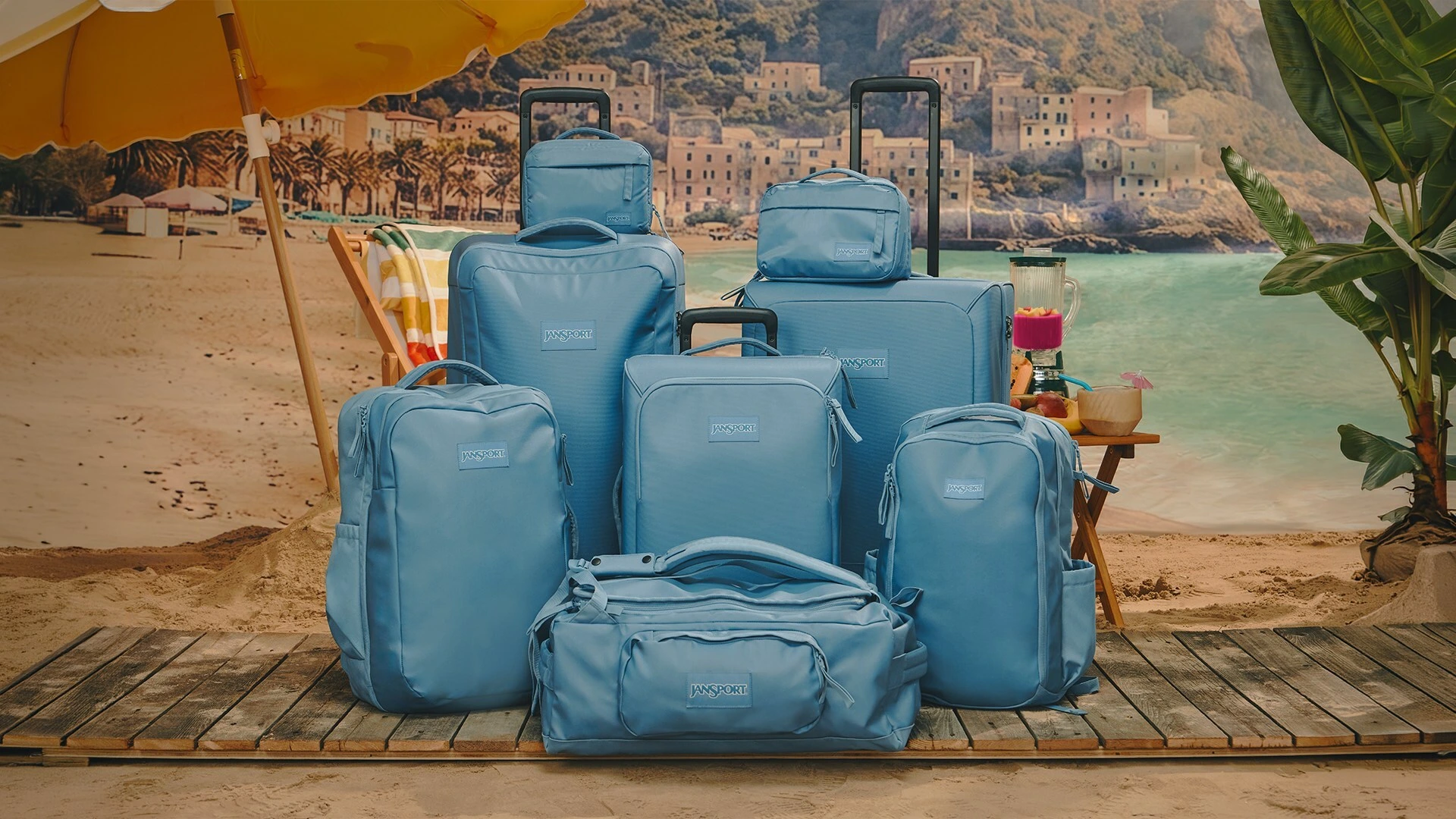
JanSport is entering the modern travel category with the launch of its new Good Latitude Travel Collection, marking one of the company’s most significant product expansions in decades. Best known for its backpacks and campus-focused identity, the brand is now positioning itself within a travel market increasingly shaped by younger consumers seeking durable, multifunctional, and design-conscious luggage. The collection includes carry-ons, rolling duffels, convertible bags, travel organizers, and accessories aimed at both first-time buyers and experienced travelers.
The move reflects broader shifts in the travel industry following years of changing work patterns, flexible lifestyles, and increased interest in lightweight travel. Consumers today are often looking for products that function across multiple settings — from airports and weekend trips to hybrid work routines and outdoor recreation. JanSport’s new collection appears designed around that reality, emphasizing modular storage, carry-on compatibility, and adaptability rather than traditional luxury travel aesthetics.
Sustainability also plays a central role in the launch. JanSport says each product uses its Loop Form fabric, made from recycled textile waste, as brands across the apparel and accessories industries continue responding to pressure for more circular production models. While recycled materials have become increasingly common in fashion and luggage marketing, companies still face the challenge of balancing environmental claims with durability and affordability — particularly in categories where wear and tear are central to consumer expectations.
The collection’s positioning also reveals how legacy brands are attempting to maintain relevance with younger consumers who may know the JanSport name primarily through school backpacks rather than travel culture. Instead of reinventing itself entirely, the company is leaning into familiarity and practicality, suggesting that trust and longevity remain valuable brand assets even in a crowded travel market increasingly dominated by digitally native luggage startups and premium direct-to-consumer labels.
JanSport’s expansion arrives during a period when travel itself is becoming less formal and more blended with everyday life. The distinction between commuter gear, outdoor equipment, and vacation luggage has narrowed considerably, particularly for younger travelers who prioritize versatility over specialization. By extending its identity into travel products, JanSport is effectively betting that consumers still want dependable, recognizable brands — but with products designed for more fluid and mobile lifestyles than the company originally built its reputation around.