As consumers scrutinize labels more closely, the brand’s latest launch reflects a wider shift toward clearer formulations and skepticism around synthetic fragrance in everyday household products
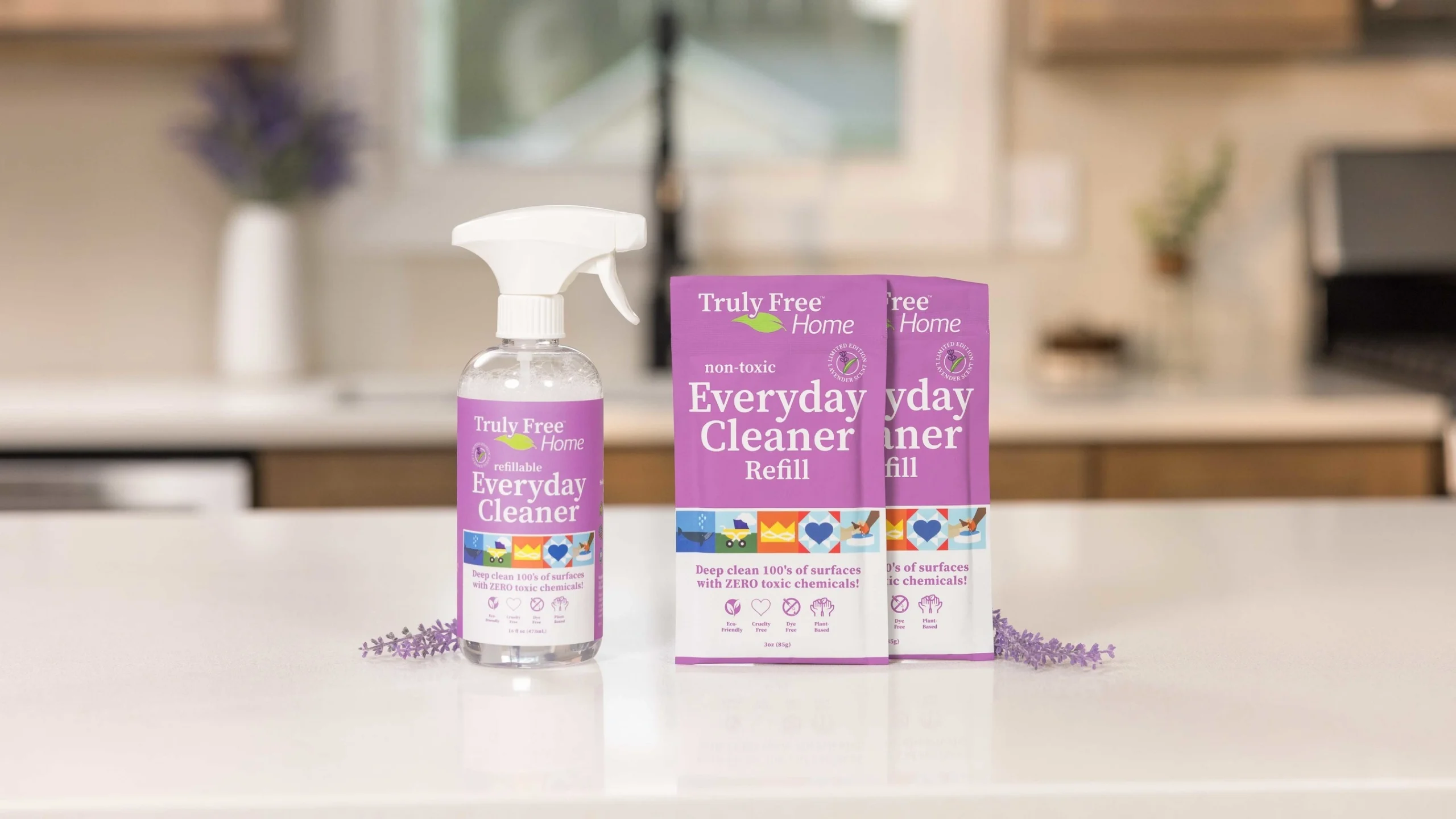
Truly Free Home has introduced a new Lavender Everyday Cleaner, positioning the product around ingredient transparency rather than traditional marketing cues like scent alone. The launch arrives at a time when household cleaning products are facing increased scrutiny from consumers who are paying closer attention to what goes into the items they use daily.
Central to the product’s positioning is its use of essential oils instead of synthetic fragrance compounds, a distinction that has become more visible as shoppers grow more familiar with ingredient labels. While lavender has long been associated with calm and cleanliness, many products rely on lab-created scents to replicate it, a practice that is now drawing more questions from consumers seeking clarity about what “fragrance” actually means.
The cleaner itself is designed as a multi-surface product, part of a broader category that prioritizes convenience. But the emphasis here is less on functionality and more on formulation, reflecting a shift in how brands attempt to differentiate in a crowded market where performance alone is often assumed.
This approach aligns with a broader movement toward “ingredient literacy,” where consumers evaluate products based on what is included—and excluded—rather than relying on brand reputation or packaging claims. In categories like home cleaning, where regulation of labeling can leave room for ambiguity, brands that foreground transparency are increasingly positioning themselves as alternatives to legacy products.
At the same time, the product’s refillable format points to a parallel concern around waste, suggesting that environmental considerations and ingredient awareness are becoming intertwined. As companies respond to these expectations, the success of such offerings may depend less on novelty and more on whether they can meet a growing demand for both clarity and accountability in everyday household goods.