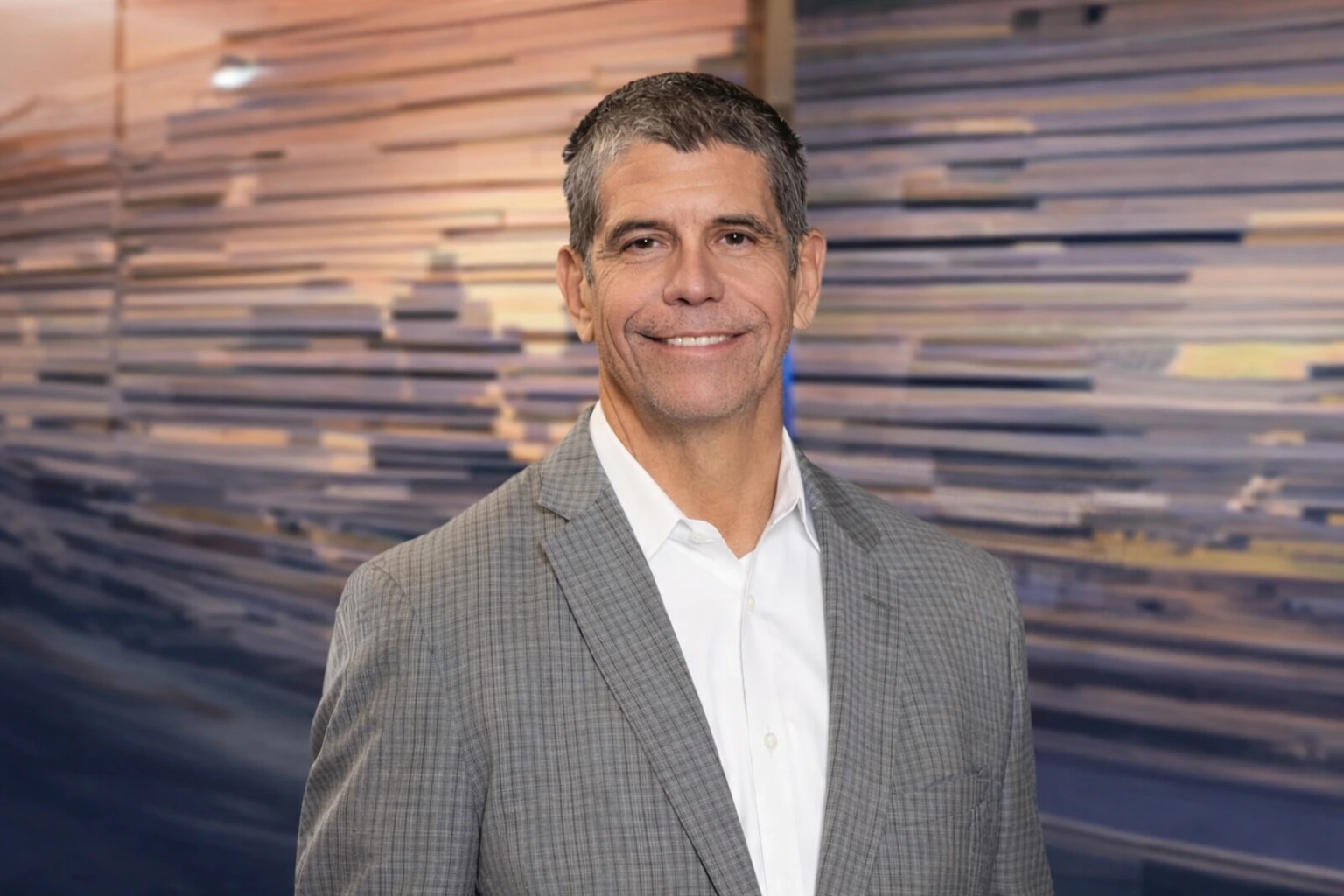
The leadership move reflects how real estate firms are placing greater emphasis on asset-level data, operational oversight, and recurring service models as market conditions grow more complex
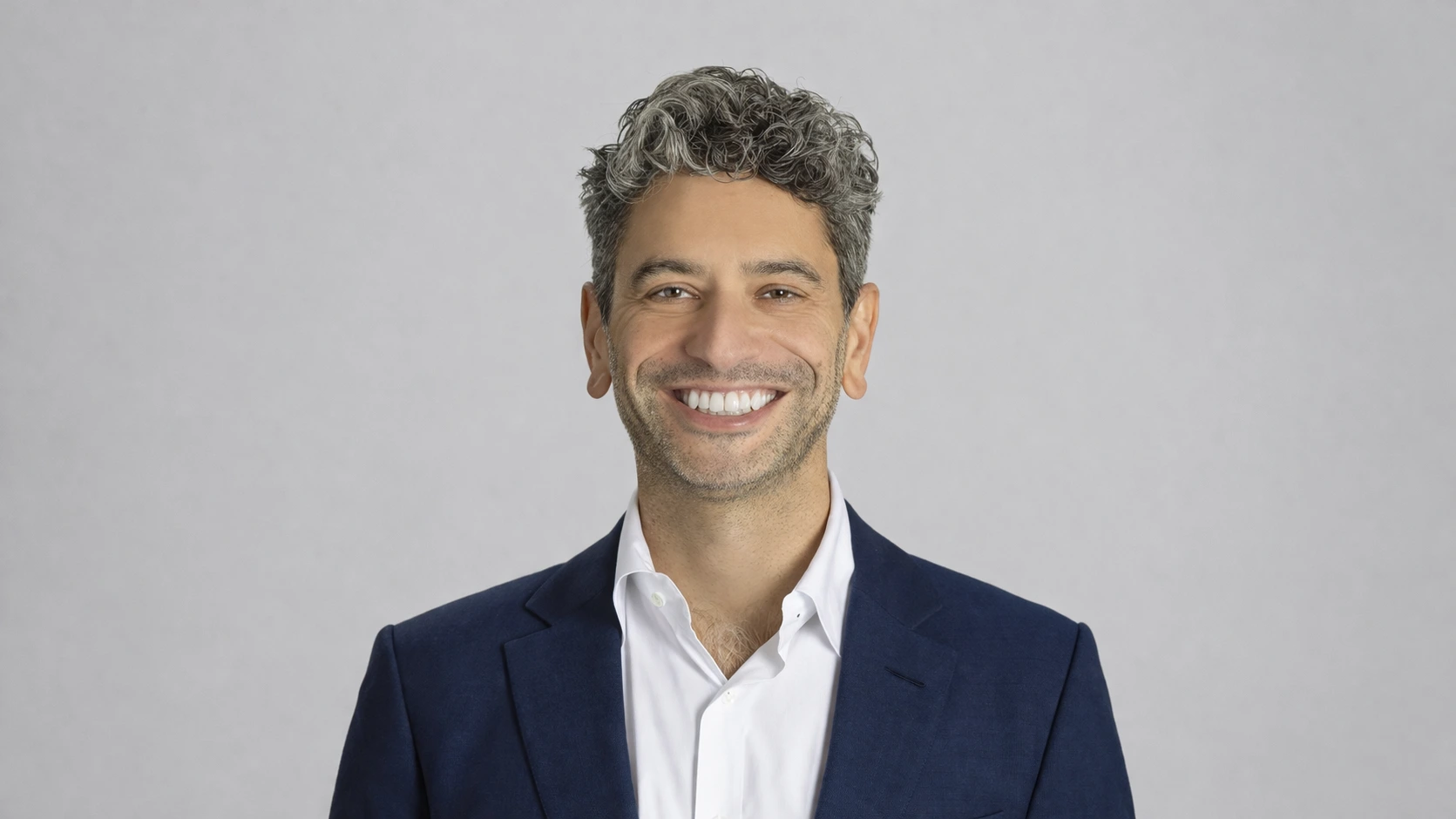
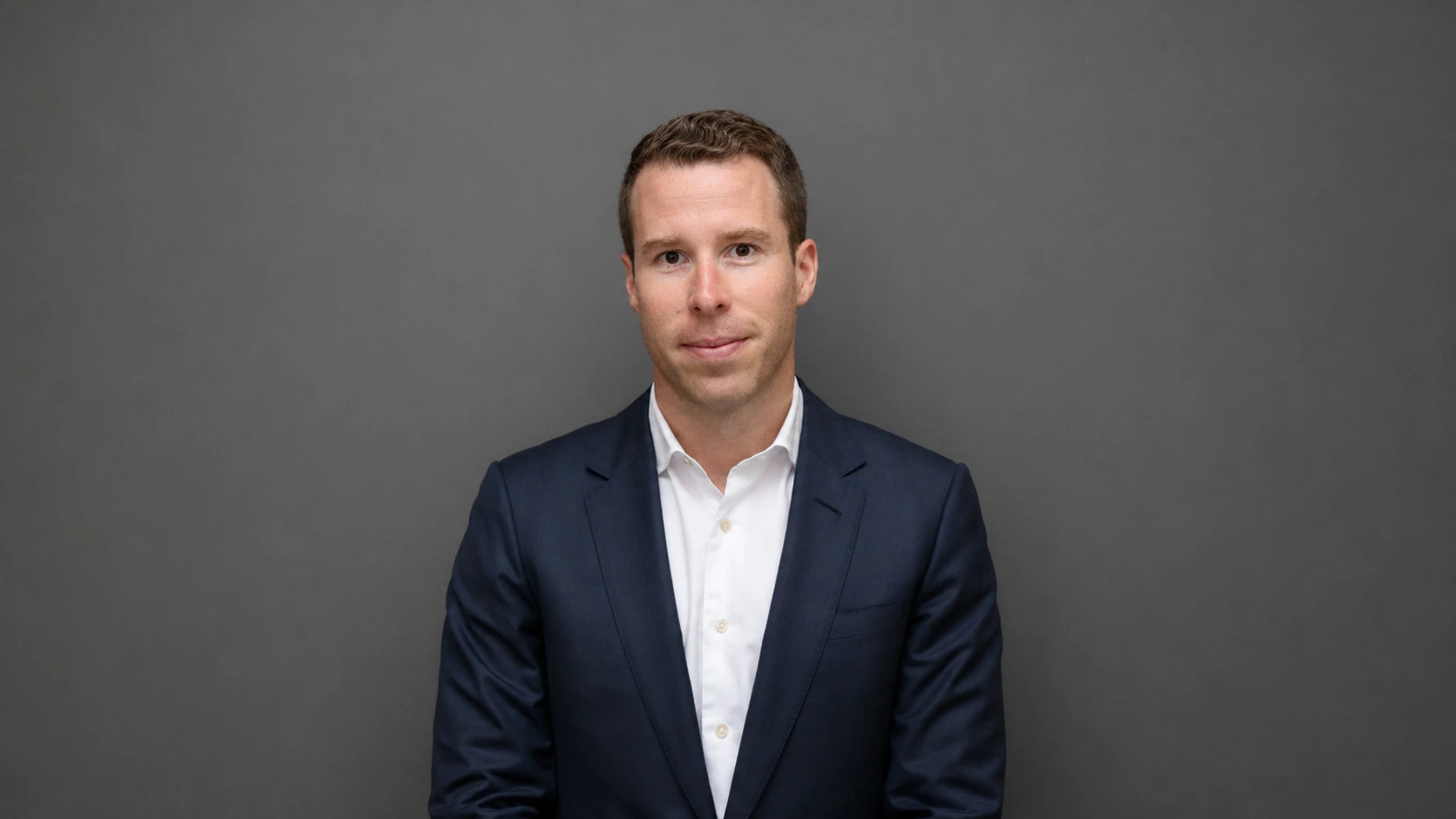
Newmark Group, Inc. has appointed Jack Fuchs as President of Global Asset Services, expanding his responsibilities within the firm’s Investor Solutions platform. The move signals a continued focus on strengthening capabilities that extend beyond traditional brokerage, particularly in areas tied to long-term asset performance and operational management.
Fuchs will oversee a business unit that supports clients across the full lifecycle of real estate assets, including underwriting, compliance, and eventual disposition. This reflects a broader shift in commercial real estate, where investors are seeking more integrated advisory services that combine financial analysis with day-to-day operational insight, especially as market volatility complicates decision-making.
The emphasis on asset services also aligns with a growing reliance on recurring revenue streams within the industry. As transaction volumes fluctuate in response to economic cycles, firms are increasingly building out service lines that provide more stable income while maintaining ongoing relationships with institutional clients, lenders, and asset managers.
Fuchs’ dual role, which includes continuing as CEO of a Newmark subsidiary focused on loan servicing and asset management, highlights the convergence of financial services and real estate operations. This integration reflects how data, compliance, and performance monitoring are becoming central to managing large portfolios, particularly for global investors navigating multiple markets and regulatory environments.
More broadly, the appointment illustrates how leadership changes in real estate firms often point to deeper strategic priorities. In this case, the focus appears to be on scaling advisory capabilities that help clients manage complexity rather than simply transact, suggesting that the competitive edge in commercial real estate may increasingly depend on operational expertise as much as market access.