
The move reflects a broader governance shift as companies retain institutional knowledge while transitioning senior executives from operational roles into strategic oversight positions
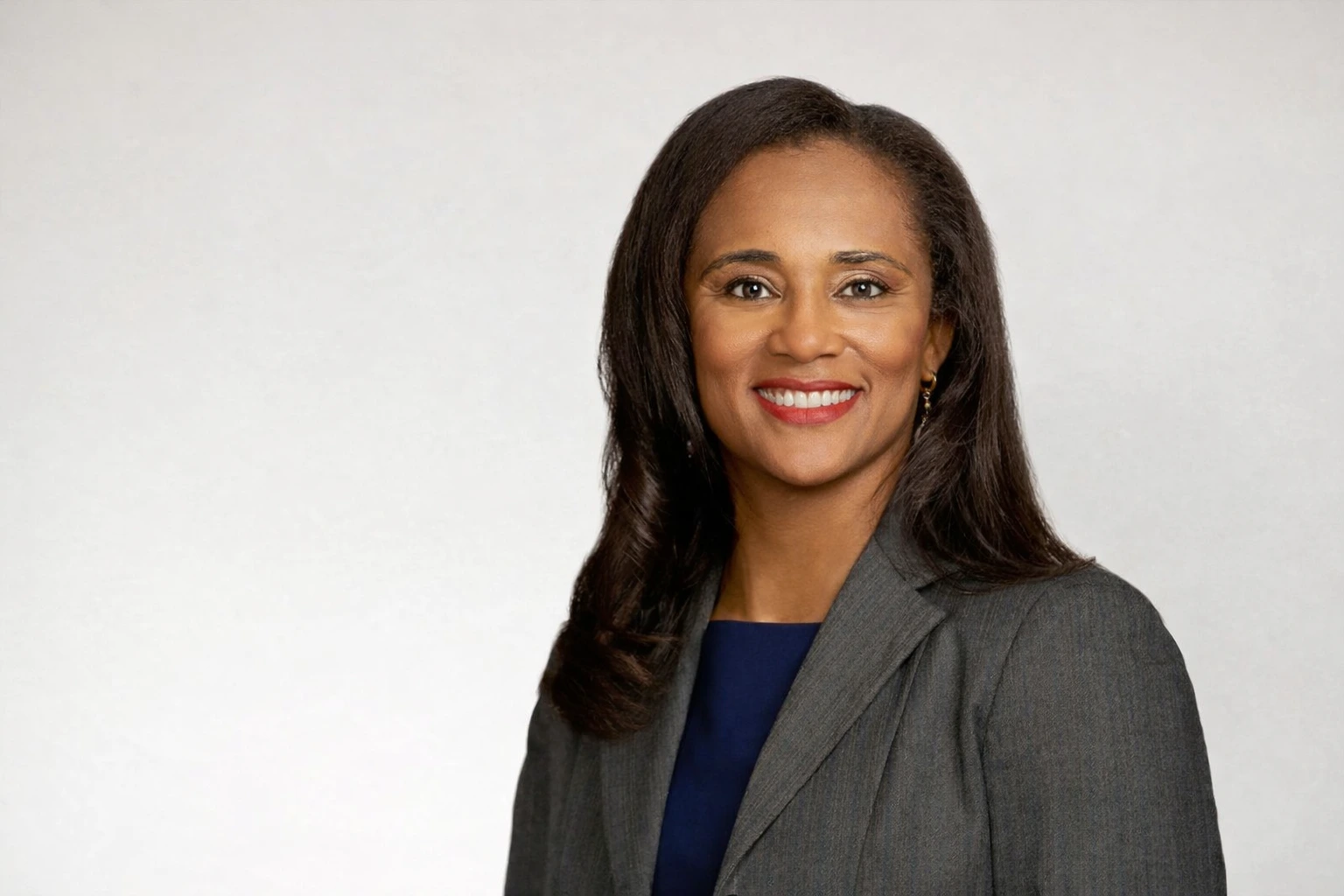
Hippo Holdings Inc. is appointing Stewart Ellis to its board of directors, marking a transition that highlights how companies manage leadership continuity during periods of growth and structural change. Ellis, who has served in multiple executive roles including chief financial officer and chief strategy officer, will step away from day-to-day responsibilities to take on a governance position while remaining connected as a consultant.
The decision reflects a familiar pattern in scaling organizations, where experienced executives shift into board roles to preserve institutional knowledge while allowing new operational leadership to emerge. In Hippo’s case, Ellis has been closely involved in key phases of the company’s development, including its transition to a public entity and its strategic expansion efforts. Moving him to the board suggests a desire to maintain that strategic perspective at a higher level without anchoring it to operational execution.
Such transitions also point to the evolving expectations placed on boards, particularly in technology-driven sectors like insurance. Rather than functioning solely as oversight bodies, boards are increasingly expected to provide strategic guidance informed by firsthand operational experience. Executives who have helped shape a company’s trajectory can bring a level of contextual understanding that is difficult to replicate externally, especially during periods of continued growth or market uncertainty.
At the same time, the shift raises questions about how companies balance continuity with renewal. While retaining experienced leaders in advisory or board capacities can provide stability, it also requires clear delineation between governance and management to ensure fresh perspectives can influence decision-making. For firms navigating competitive and regulatory pressures, this balance can be critical to sustaining momentum.
More broadly, Hippo’s move illustrates how leadership structures are adapting as companies mature. The transition of senior executives into board roles is becoming a way to bridge past strategy with future direction, particularly in industries undergoing rapid change. Whether this approach strengthens long-term decision-making will depend on how effectively organizations integrate legacy insight with new leadership priorities.