OtterBox’s new ultra-slim case highlights a growing demand for accessories that balance durability with subtle design, as consumers look for protection that integrates seamlessly into daily life.
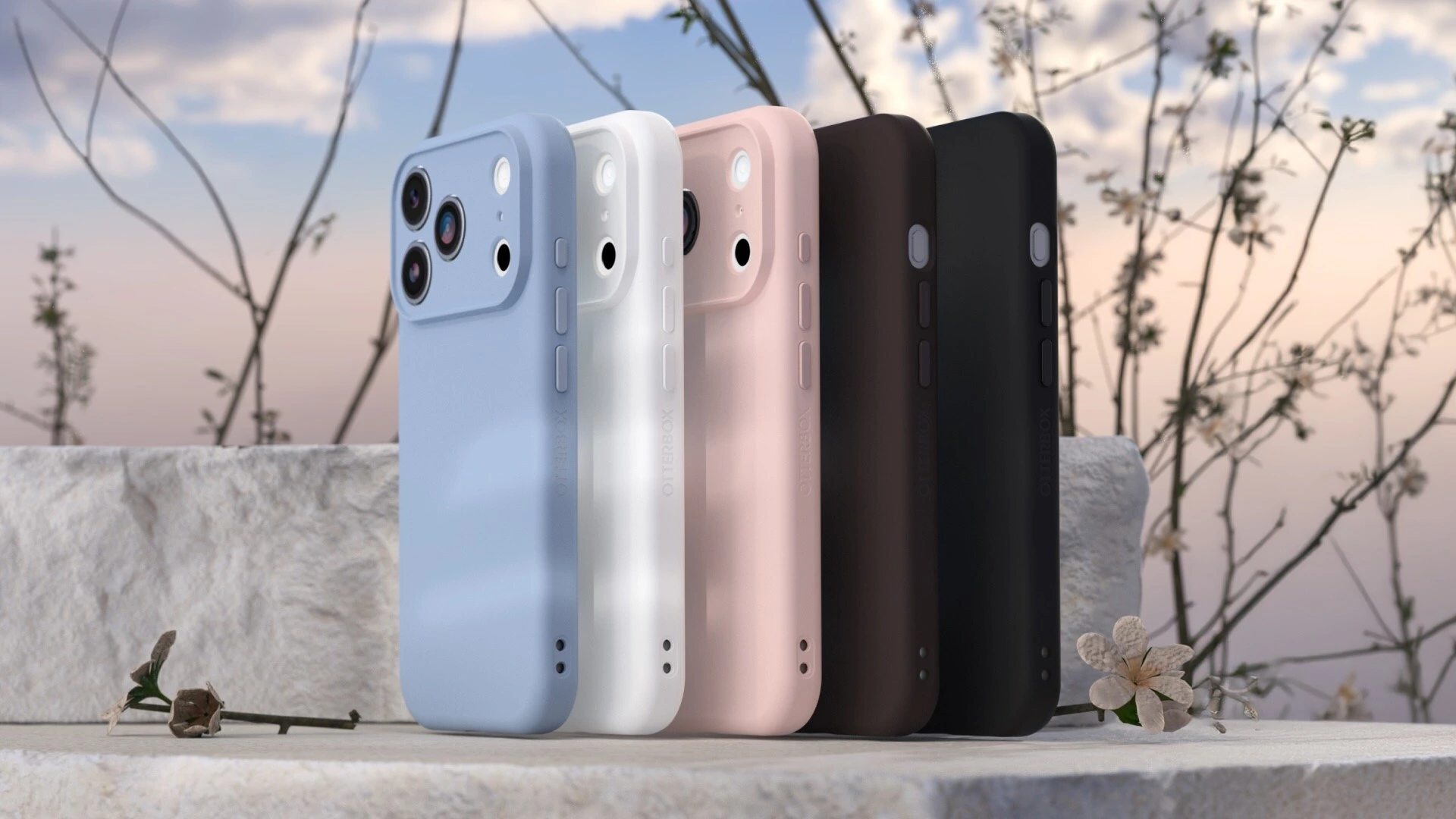
OtterBox has introduced its Figura Series, an ultra-slim phone case that emphasizes lightweight design and a soft-touch finish while maintaining drop protection. As the thinnest option in the company’s lineup, the release signals a shift in how protective accessories are being reimagined for everyday use.
The development reflects changing consumer preferences around smartphones and their accessories. While durability remains essential, users increasingly expect products that do not add bulk or disrupt the look and feel of their devices, particularly as phones themselves have become more design-focused.
Figura’s design attempts to address this balance by combining a minimal profile with features such as raised edges for screen and camera protection and compatibility with magnetic charging systems. These elements illustrate how protection is being integrated more subtly into products rather than defining their appearance.
The emphasis on texture and tactile experience is also notable. A soft-touch surface, along with a simplified form, suggests that manufacturers are considering not only how products perform but how they feel in daily use, especially as devices are handled constantly throughout the day.
This approach aligns with broader trends in consumer electronics, where accessories are expected to complement rather than compete with the devices they support. As smartphones become central to both work and personal life, users are gravitating toward solutions that blend functionality with understated design.
At the same time, maintaining recognized safety standards, such as resistance to drops, remains a baseline expectation. The challenge for companies like OtterBox is to deliver this reliability without reverting to the bulkier designs that once defined protective cases.
The introduction of the Figura Series suggests that the market for phone accessories is evolving toward a more nuanced set of priorities. Protection, aesthetics, and usability are increasingly intertwined, requiring manufacturers to refine rather than reinvent their offerings.
In this context, the significance of the launch lies less in any single feature and more in the direction it represents. As users seek products that align with both practical needs and personal preferences, minimalism may become a defining characteristic of the next generation of everyday tech accessories.