The former Truist executive steps into a pivotal role as Equifax deepens its shift from traditional credit reporting toward cloud-based analytics and AI-driven decision tools.
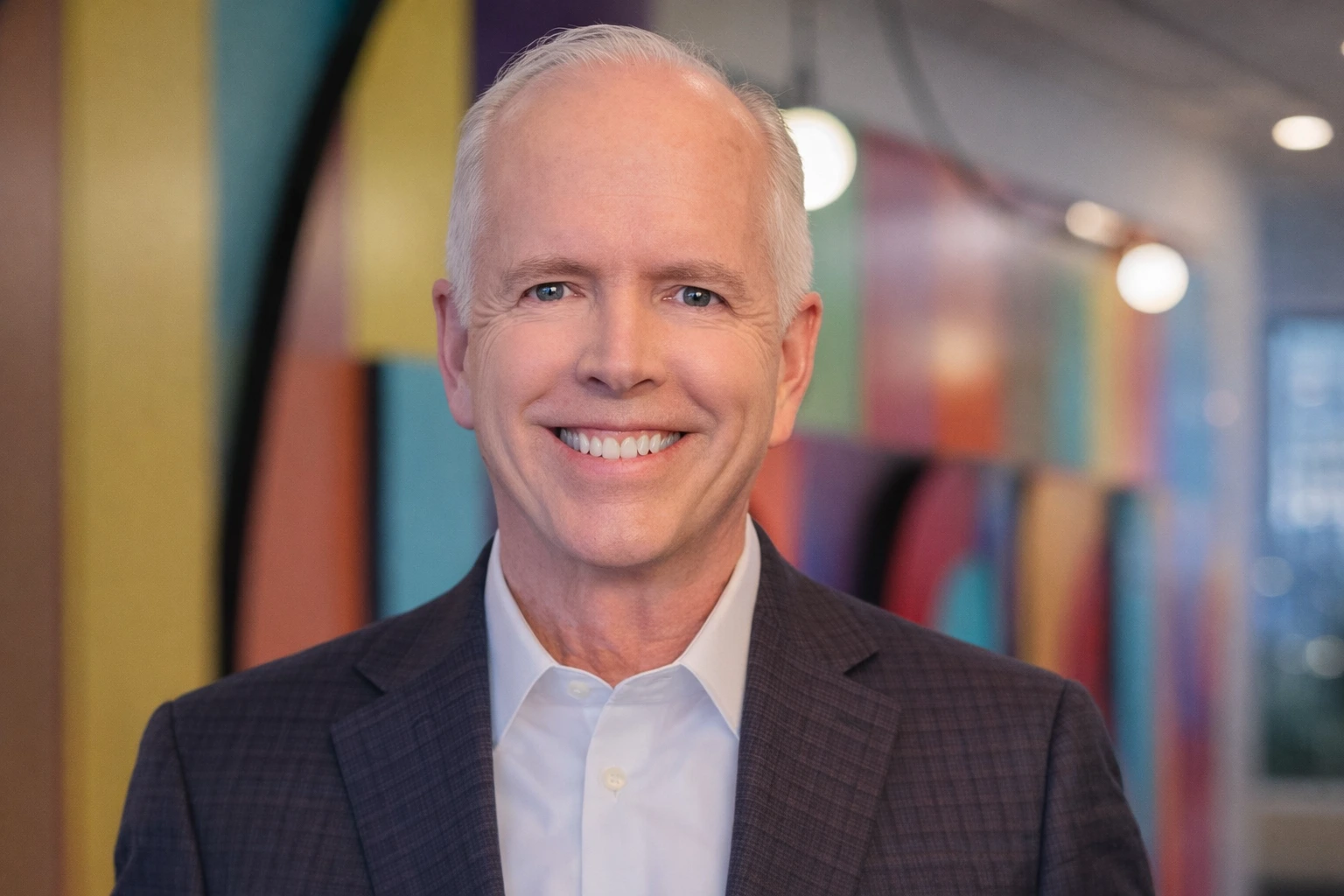
Equifax has named David Smith president of its U.S. Information Solutions (USIS) division, placing a veteran consumer lending executive at the helm of one of its core businesses. The Atlanta-based data and analytics company said Smith will assume the role in early March, overseeing a unit central to its strategy of expanding beyond conventional credit reporting.
The appointment comes as Equifax continues to emphasize growth built on its cloud-native infrastructure and proprietary datasets. USIS has been positioned as a key engine in that transformation, tasked with developing analytics and AI-driven tools that financial institutions use for lending and risk assessment. In that context, leadership with direct lending experience carries strategic weight.
Smith joins from Truist Financial Corporation, where he led the bank’s Consumer Lending division and managed a multibillion-dollar portfolio spanning mortgages, unsecured lending and indirect finance. His tenure included efforts to integrate artificial intelligence into underwriting and decisioning processes, a focus that aligns with Equifax’s own investment in AI-powered analytics.
For Equifax, which has sought to reposition itself as a broader data and technology provider, the move signals an emphasis on end-user perspective. By bringing in an executive who has operated inside large lending organizations, the company appears intent on refining products to match evolving credit markets and regulatory expectations.
The USIS division remains foundational to Equifax’s revenue base, supplying data and insights that influence loan approvals, pricing and risk management. As financial institutions adopt more automated and data-intensive decision systems, demand for timely, integrated analytics continues to grow.
Smith’s career also includes leadership roles at Citi and Keller Williams-affiliated financial services operations, underscoring a long track record in mortgage and retail banking. That background may prove relevant as housing markets fluctuate and lenders seek more nuanced risk models.
Executive appointments rarely alter strategy overnight, but they can signal priorities. In this case, Equifax’s choice suggests that lending expertise and applied AI experience will be central to its next phase of growth in U.S. information services.