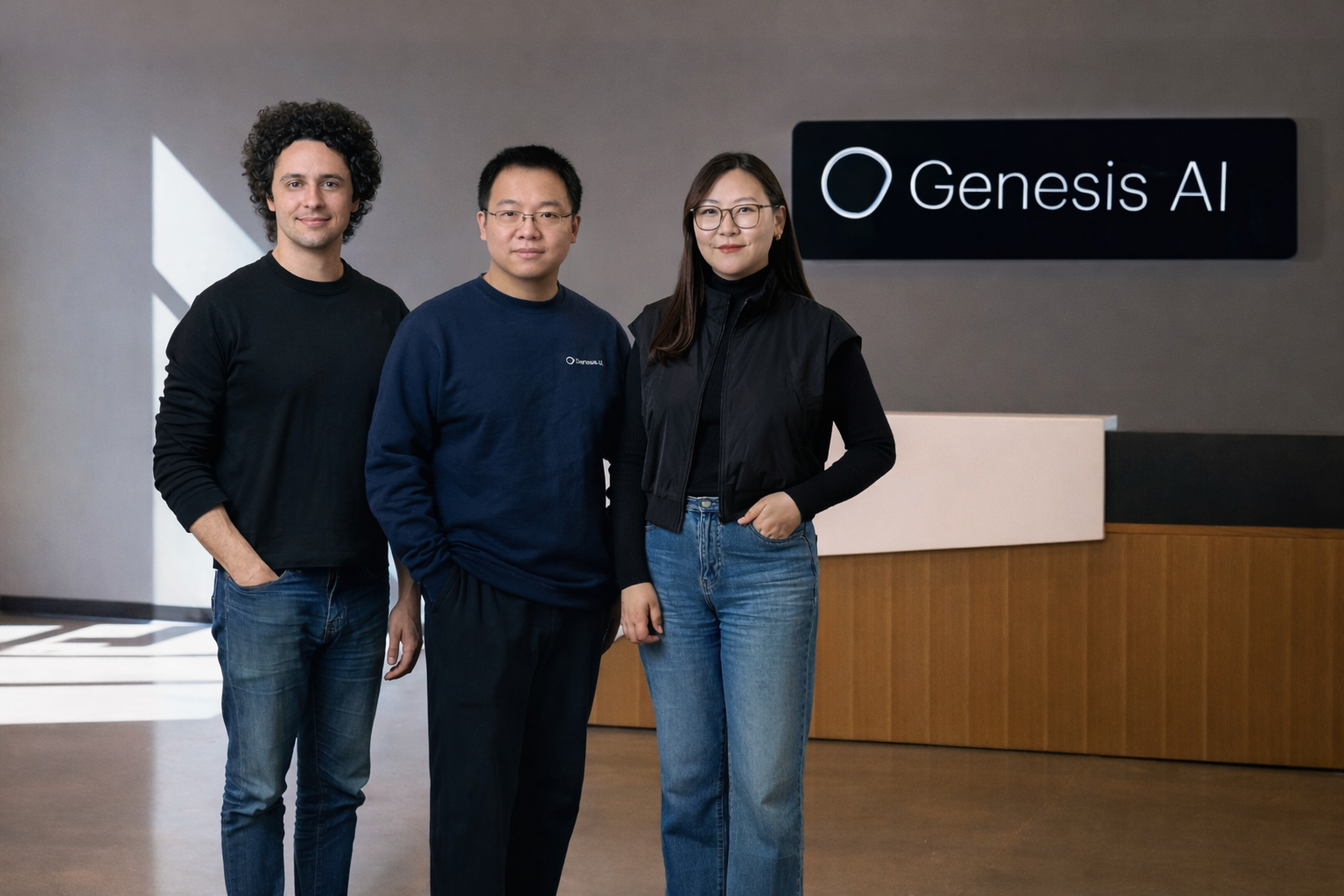
The former Amazon autonomous-driving leader steps into a key role at Genesis AI as the robotics startup moves from research toward real-world deployment of general-purpose machines across industries.
Genesis AI has appointed Vivian Sun as Vice President of Commercial and Strategy, bringing in a technology executive with experience in artificial intelligence, robotics, and autonomous driving. The Paris- and California-based company develops full-stack robotics systems and is now focusing on how those technologies move from research environments into practical commercial use.
Sun previously led automated driving strategy at Amazon and held senior roles at companies working on autonomous vehicles and physical AI. Her new role at Genesis AI centers on building partnerships, shaping the company’s market strategy, and helping position its robotics platform for broader global adoption.
The hire reflects a wider moment in the robotics industry, where technical breakthroughs increasingly raise questions about commercialization. Many startups have demonstrated impressive research results in machine learning and robotics, yet turning those advances into widely deployed products—especially machines that interact with the physical world—remains a complex challenge.
Genesis AI is part of a new generation of companies exploring “general-purpose” robotics systems designed to perform a range of tasks rather than a single specialized function. The idea is closely tied to advances in artificial intelligence that allow machines to learn from large datasets and adapt to varied environments, potentially expanding automation into sectors such as logistics, manufacturing, and service industries.
The company has already attracted significant investor interest, raising more than $100 million in early funding from venture firms and technology leaders. Such backing reflects the growing belief among investors that robotics, combined with advanced AI models, could reshape industries dependent on physical labor.
For companies like Genesis AI, however, the next phase depends less on technical promise than on practical deployment. Sun’s role highlights the importance of partnerships, supply chains, and business strategy in determining whether emerging robotics platforms can transition from experimental systems to tools that businesses use every day.