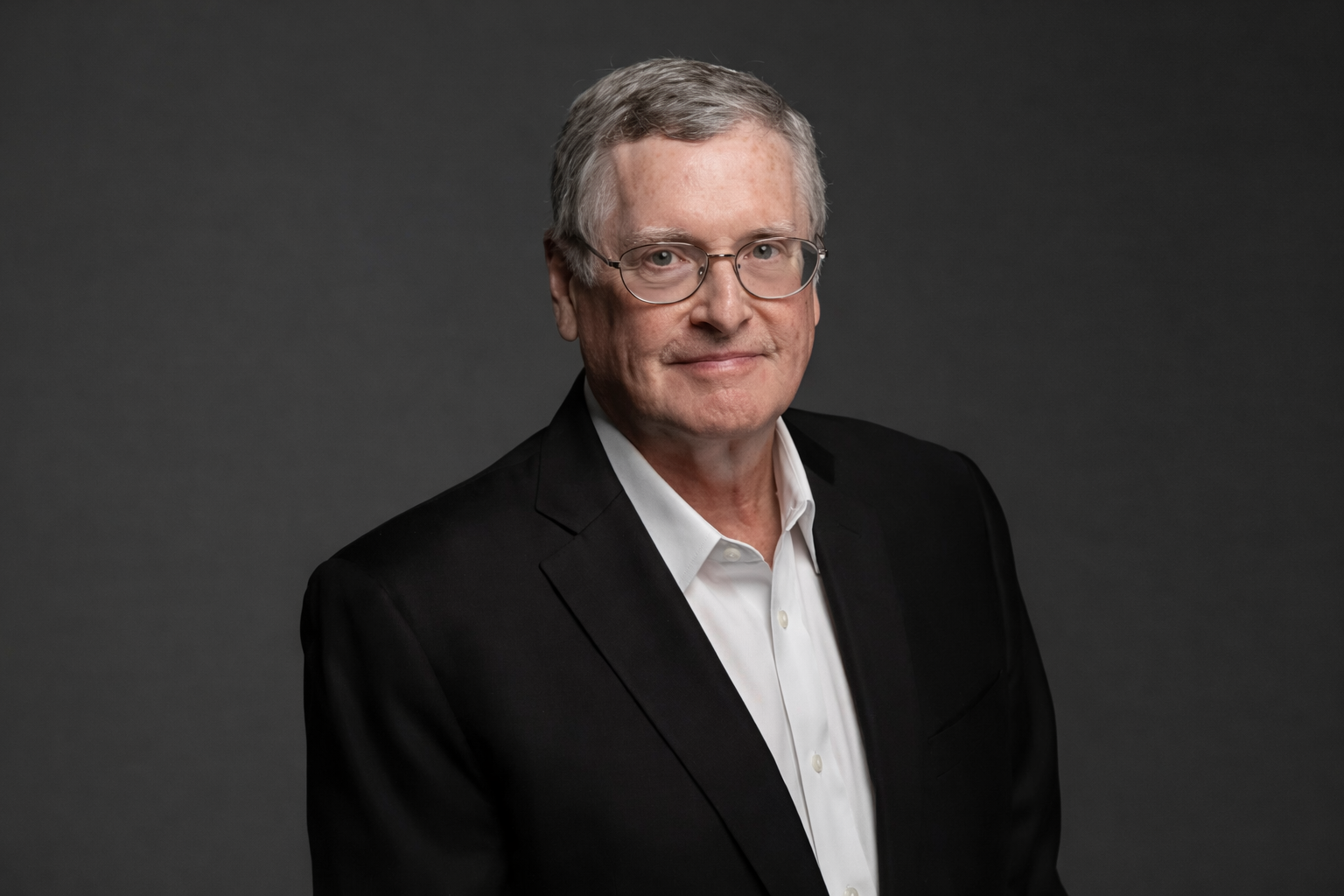
The former Quaker Houghton CEO brings decades of specialty chemicals leadership to FMC as the agricultural sciences company navigates industry cycles and refines its 2026 priorities.
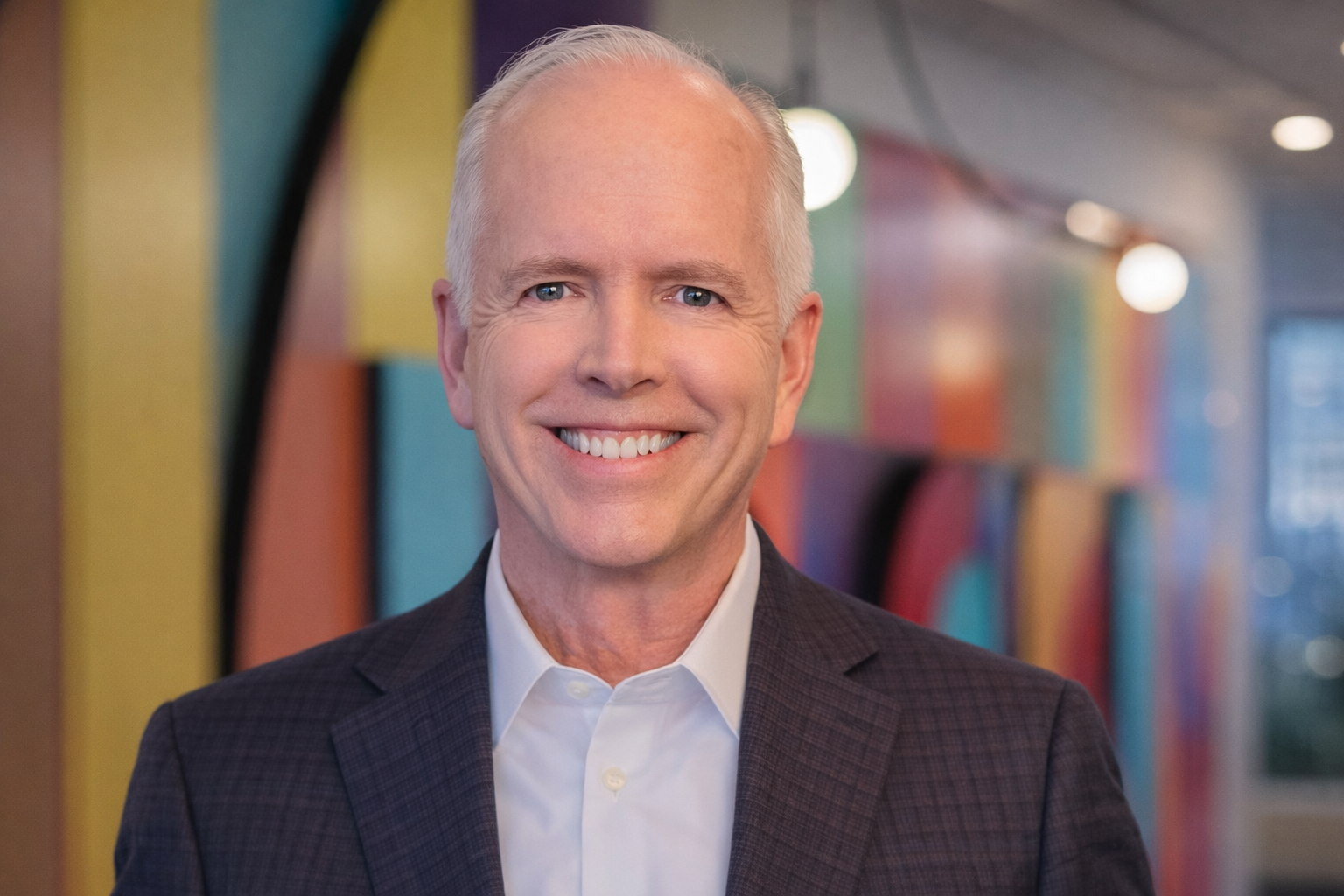
FMC Corporation has elected Michael F. Barry to its Board of Directors, adding a seasoned executive from the specialty chemicals sector as the company sharpens its strategic focus for 2026. The Philadelphia-based agricultural sciences firm said Barry will serve on its Audit and Compensation and Human Capital committees.
Barry is best known for his long tenure at Quaker Houghton, where he held senior roles including chief financial officer before becoming chief executive officer in 2008 and later chairman. During his leadership, the company expanded significantly, growing revenue and completing dozens of acquisitions, including the 2019 combination of Quaker Chemical and Houghton International that reshaped its global footprint.
For FMC, which develops crop protection technologies and agricultural solutions, the appointment signals a desire for board-level experience in managing industrial growth and complex transactions. The agricultural chemicals sector faces mounting pressures, from shifting regulatory standards to evolving farmer demand and environmental expectations. Directors with experience steering companies through consolidation and cyclical markets can play a meaningful role in long-term oversight.
Barry’s background also includes board service at other publicly traded companies, where he has contributed to audit and compensation governance. That experience aligns with the committees he will join at FMC, areas that are increasingly central as companies balance financial discipline with talent strategy.
Board appointments rarely alter a company’s direction overnight, but they often reflect broader priorities. In FMC’s case, the addition of an executive with deep chemical industry roots suggests attention to operational resilience and disciplined growth. As agricultural input providers adapt to technological change and sustainability demands, governance and strategic continuity may prove as critical as product innovation itself.