An interview with the Founder & CTO of a manufacturing data company on visibility, constraints, and industrial reality
Key Takeaways
- Manufacturing data must reflect physical reality, not theory
- Visibility matters more than prediction in early transformations
- Legacy systems are constraints, not failures
- Trust is earned on the factory floor, not in demos
- Progress comes from clarity, not complexity
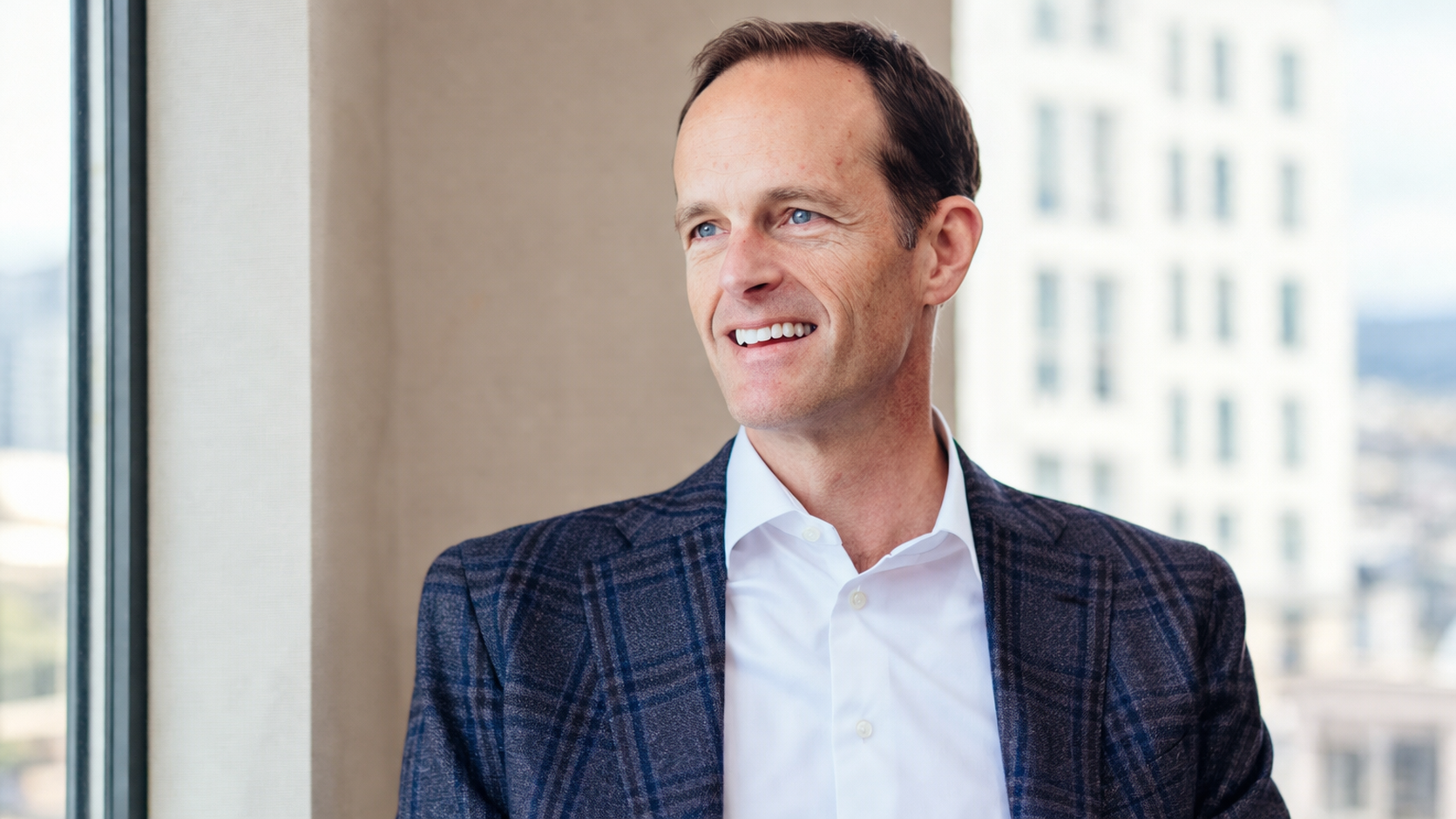
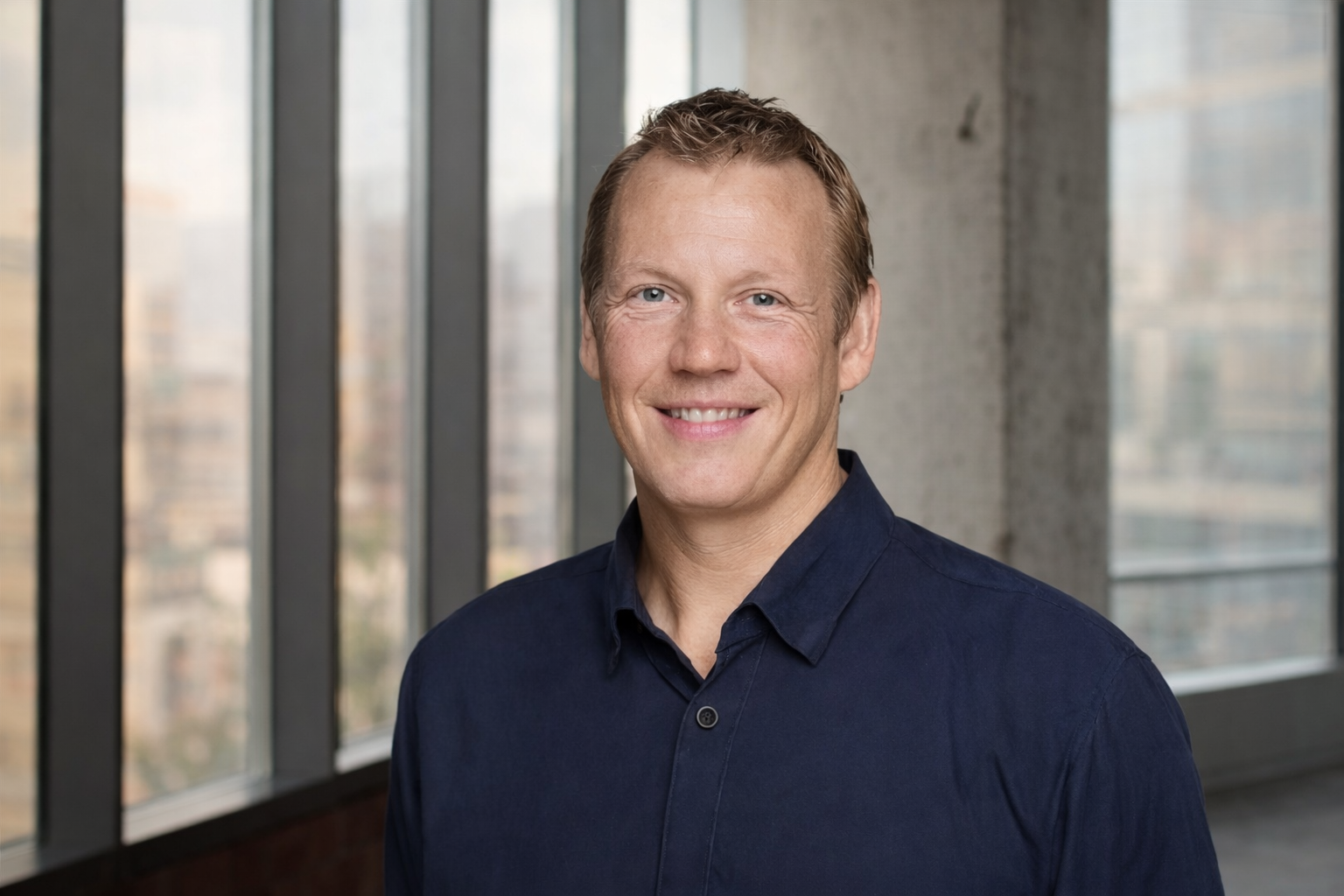
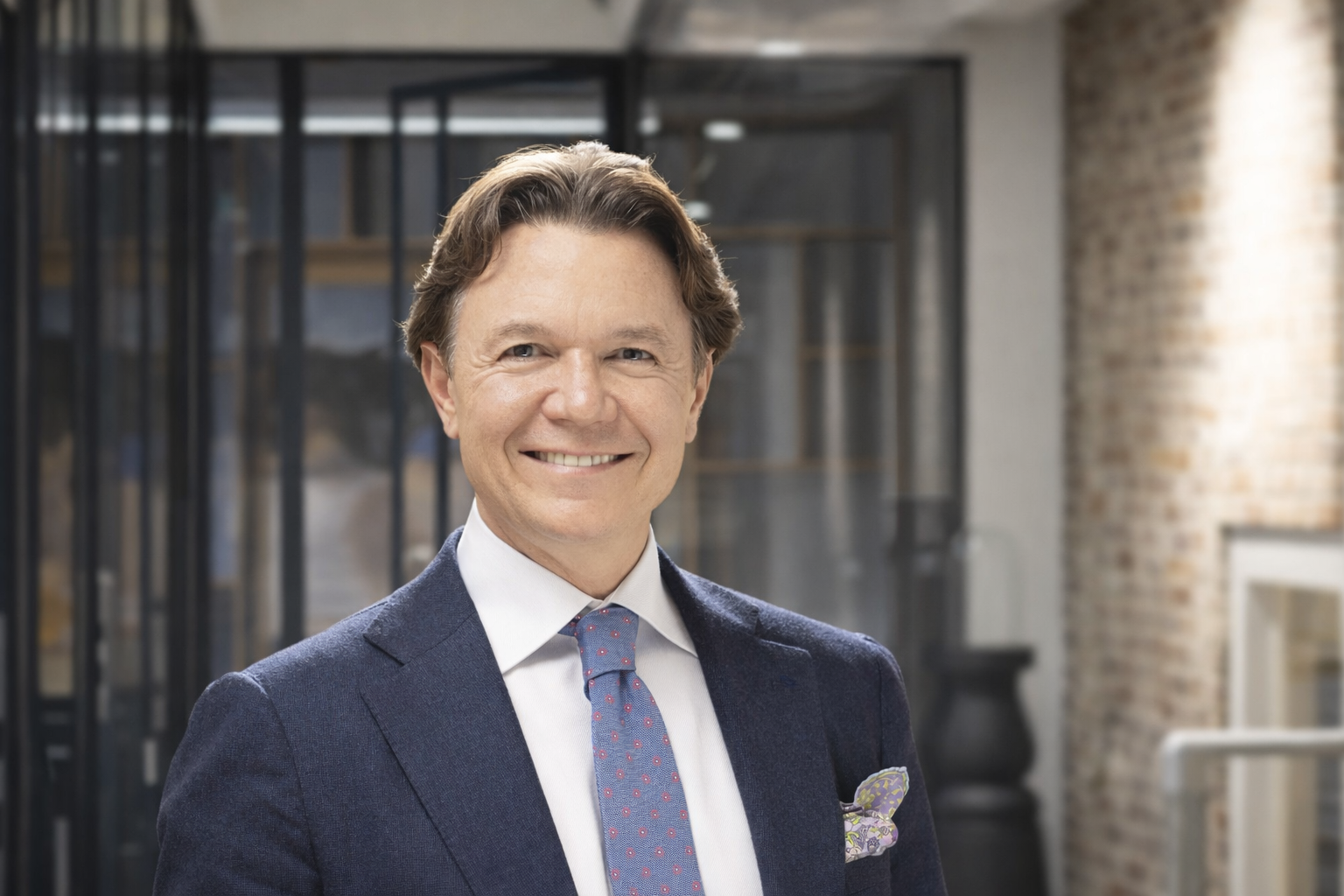
Manufacturing runs on precision, yet many factories still operate with limited real-time visibility into what’s actually happening on the floor. Machines generate data constantly, but that information is often fragmented, delayed, or disconnected from decision-making. That gap is what led Marcus Feldman to found ForgeSight, a manufacturing data platform designed to unify operational data across legacy and modern systems alike. With a background in industrial engineering and systems architecture, Feldman has spent his career working at the intersection of software and physical production. In this interview, he explains why manufacturing data problems are fundamentally human problems, how technical elegance often fails in industrial environments, and why simplicity is the hardest engineering challenge of all.
Interview
Q1: What problem in manufacturing led you to start ForgeSight?
The short version is that too many decisions were being made in the dark. I worked with manufacturers who had invested heavily in automation and equipment, yet supervisors still relied on whiteboards and gut instinct to understand daily performance. Data existed, but it wasn’t accessible or trustworthy in the moment it mattered.
The deeper issue was fragmentation. Each machine, line, and system spoke a different language. ForgeSight started with the idea that manufacturers don’t need more data—they need a shared source of operational truth that reflects what’s actually happening on the floor, not what the system thinks should be happening.
Q2: Manufacturing environments are notoriously complex. How did that shape your technical approach?
It forced humility. In software, you can often assume clean inputs and consistent behavior. In factories, nothing is clean or consistent. Sensors fail, machines drift, operators improvise, and processes evolve over time.
So we designed ForgeSight to tolerate imperfection. Instead of assuming perfect data, we built systems that flag uncertainty and reconcile conflicting signals. The goal isn’t to eliminate variability—that’s impossible—but to make it visible. When teams can see where reality diverges from plan, they can respond intelligently rather than reactively.
Q3: Many manufacturers rely on legacy systems. How do you work within those constraints?
Legacy systems are often treated as technical debt, but in manufacturing, they’re usually the result of hard-earned stability. These systems exist because they work, and ripping them out is rarely an option.
We take an additive approach. ForgeSight sits alongside existing MES, ERP, and PLC layers, pulling data without disrupting operations. That philosophy earns trust quickly, because we’re not asking teams to bet production uptime on a new tool. Respecting constraints isn’t a compromise—it’s a requirement in industrial environments.
Q4: How do you build trust with operators and engineers on the factory floor?
Trust starts with accuracy, but it’s reinforced through relevance. If a dashboard looks impressive but doesn’t help someone make a better decision during a shift, it won’t be used.
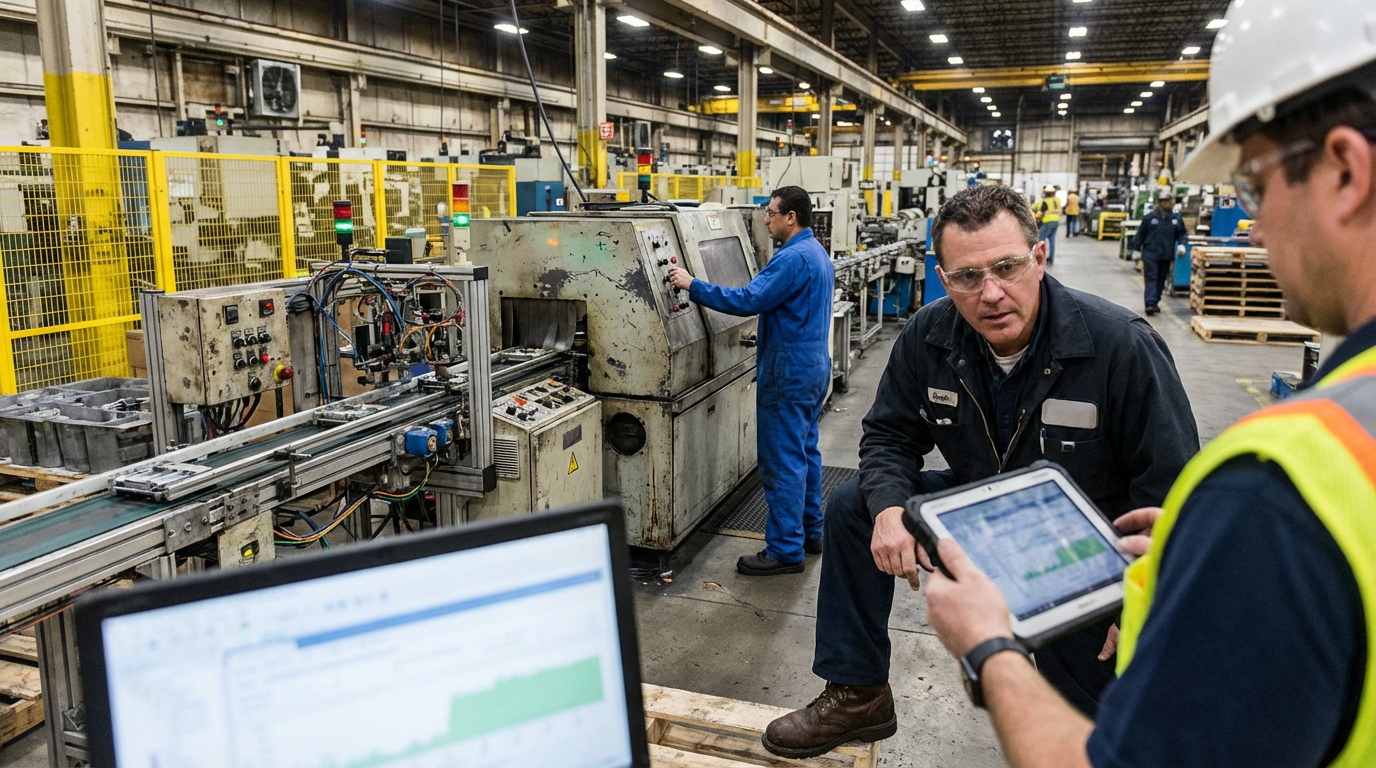
We spend a lot of time with operators, supervisors, and maintenance teams, learning how decisions are actually made under pressure. Then we design views that answer their questions directly: What’s running behind? Why did this line stop? What needs attention now? When people see their reality reflected accurately, adoption follows.
Q5: As Founder & CTO, how do you balance technical ambition with practical outcomes?
It’s a constant tension. As an engineer, I’m drawn to elegant architectures and advanced analytics. But manufacturing has a way of punishing overengineering.
I’ve learned to prioritize usefulness over sophistication. If a simpler model delivers insight reliably, it’s better than a complex one that requires perfect conditions. My role is to ensure we build systems that survive contact with reality—heat, dust, noise, human judgment—not just theoretical workloads. The best technology in manufacturing is the kind that quietly earns its place.
Looking Forward
ForgeSight’s philosophy reflects a broader shift in how manufacturers approach digital transformation: away from sweeping overhauls and toward incremental clarity. Feldman’s emphasis on realism, respect for constraints, and human-centered design challenges the idea that manufacturing innovation must be disruptive to be meaningful. In an industry where margins are thin and downtime is costly, seeing clearly may be the most valuable upgrade of all. As factories become more connected, the companies that succeed will likely be those that make complexity understandable rather than invisible.