
The appointments come as healthcare technology firms race to support expanding home-based care, a sector reshaping how patients receive treatment beyond traditional hospitals.
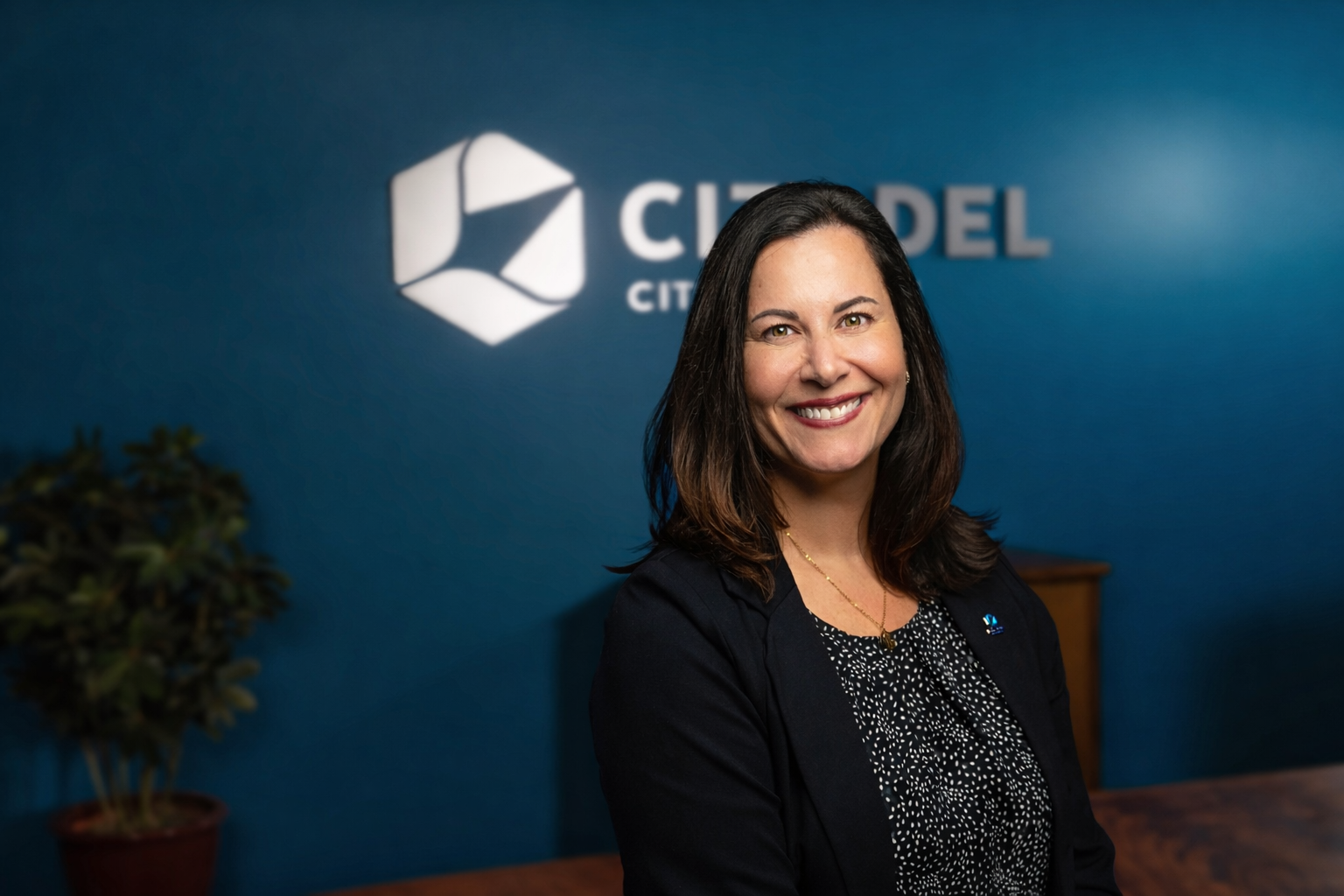
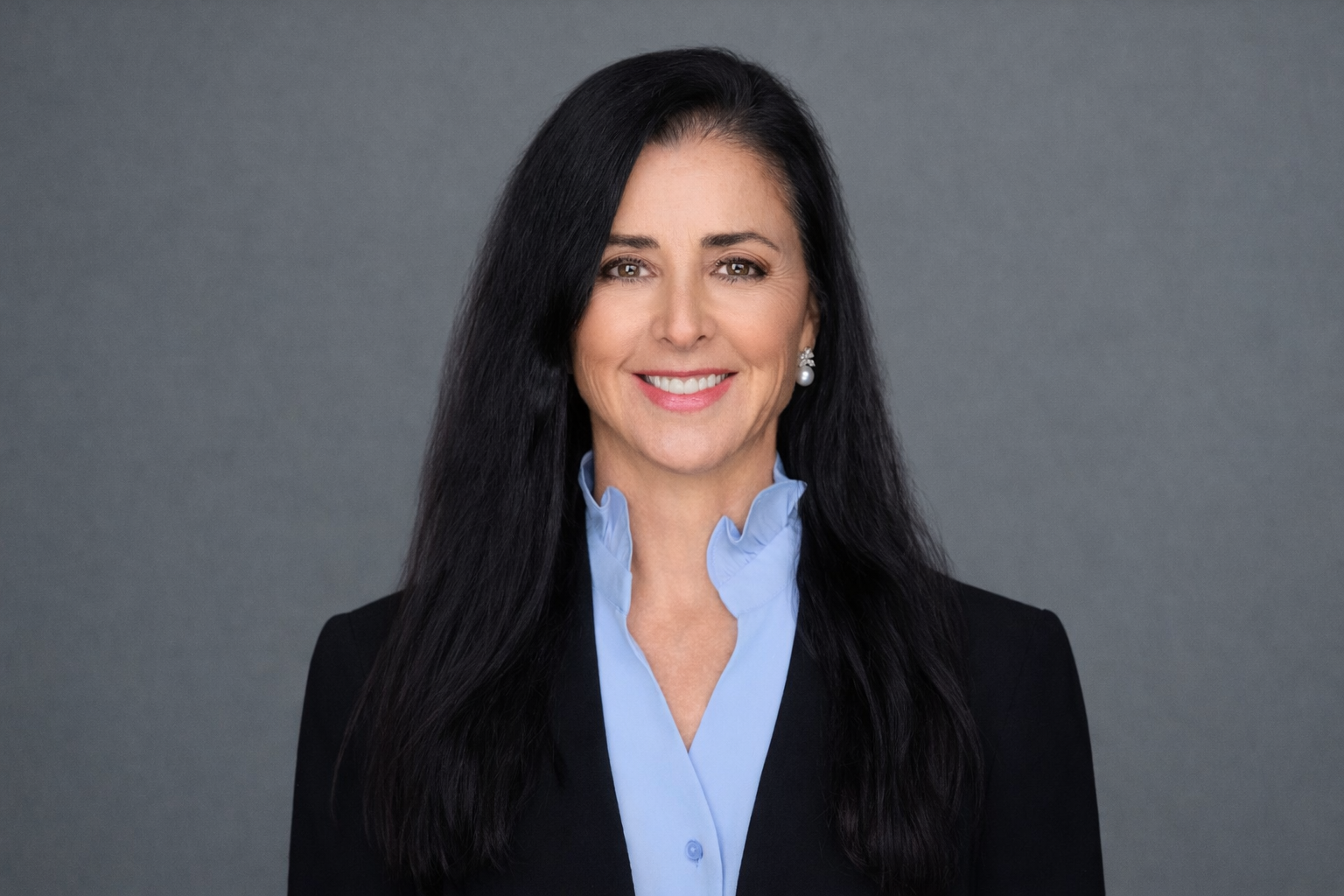
Mosai has appointed Lani Williams as chief people officer and Stephen Snook as chief revenue officer, expanding its executive team as the company continues to grow within the home-based healthcare technology sector. The Jacksonville- and Nashville-based firm develops digital platforms designed to help healthcare providers coordinate care for patients outside traditional hospital settings.
The leadership changes arrive at a time when healthcare systems are increasingly shifting treatment toward the home. Driven by cost pressures, aging populations, and advances in remote monitoring technology, home-based care has become one of the fastest-growing segments in the broader healthcare landscape.
Williams will oversee Mosai’s organizational development and workforce strategy, focusing on how the company structures teams and leadership as it expands. Her career includes human resources leadership roles across several healthcare organizations, including Honest Health and Bloom Insurance, as well as earlier work guiding workforce initiatives at naviHealth during a period of rapid growth.
Snook, meanwhile, will lead Mosai’s commercial strategy, overseeing sales, partnerships, marketing, and revenue operations. He previously served as chief revenue officer at Relias, where he worked on growth initiatives for a company specializing in workforce education and compliance tools for healthcare providers.
The appointments highlight how operational leadership has become increasingly important for technology companies entering complex healthcare markets. Platforms designed to coordinate patient care must work not only across hospitals and clinics but also with insurers, home health providers, and other participants in the post-acute care system.
Mosai’s software platform aims to connect these stakeholders through shared data, predictive analytics, and workflow automation. By improving communication and visibility across different stages of patient recovery, such systems attempt to reduce delays in care transitions and help providers manage patients more effectively outside institutional settings.
The growth of these platforms reflects a broader transformation in healthcare delivery. As hospitals face capacity constraints and rising costs, policymakers and insurers have increasingly encouraged treatment models that allow patients to recover at home whenever medically appropriate.
That shift has created new opportunities for technology companies focused on coordination, data integration, and remote patient management. In many cases, the success of these tools depends as much on organizational execution as on technical capability.
By bringing in experienced leaders in workforce strategy and revenue operations, Mosai appears to be preparing for the operational demands that accompany rapid expansion in healthcare technology. As home-based care becomes more central to the healthcare system, companies that can effectively scale both technology and organizational infrastructure may play a significant role in shaping how care is delivered beyond hospital walls.