
The fintech company expands its executive team with experienced leaders in technology and finance, signaling a push to scale global payments infrastructure and deepen the role of AI in cross-border transactions.
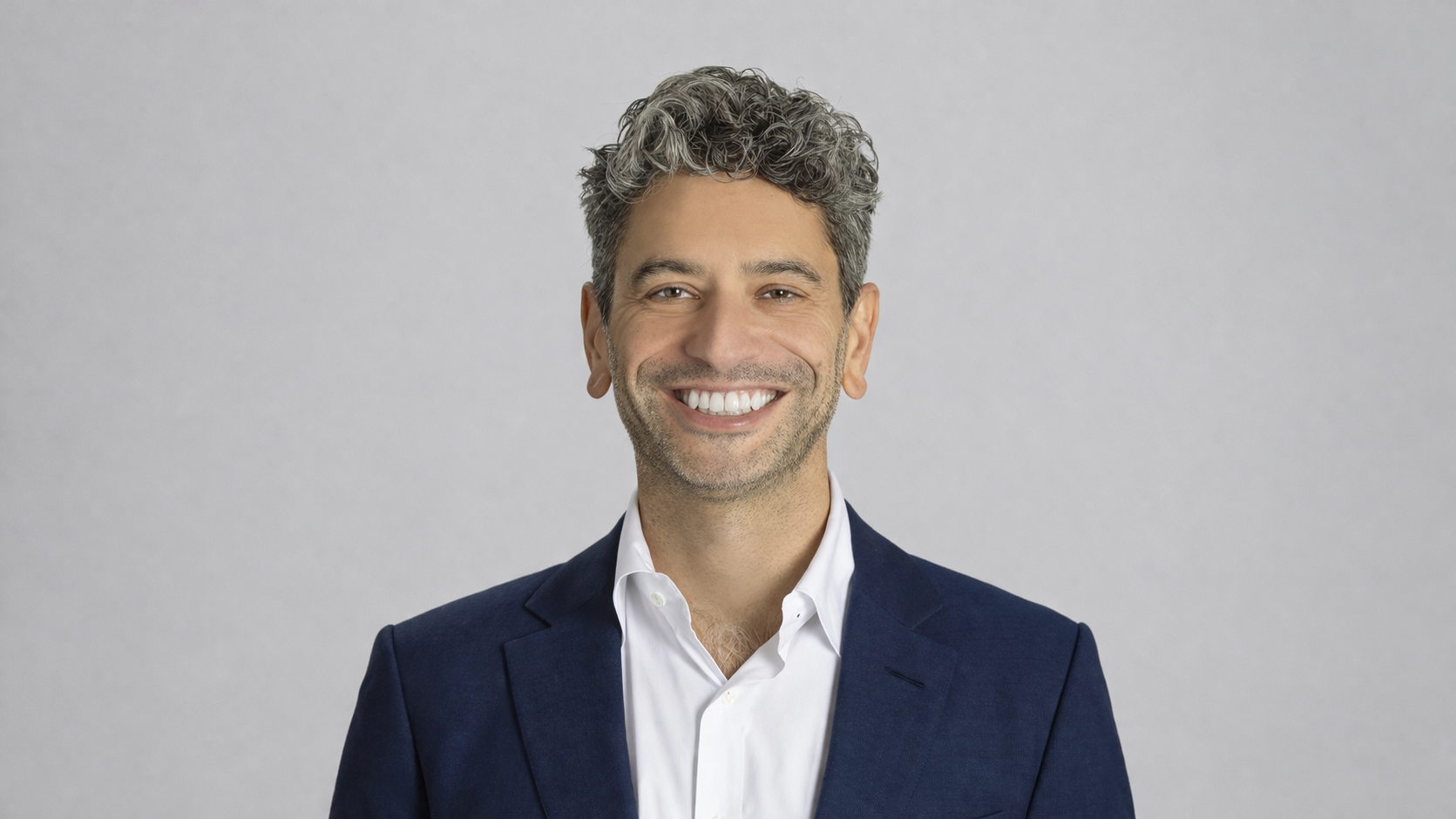
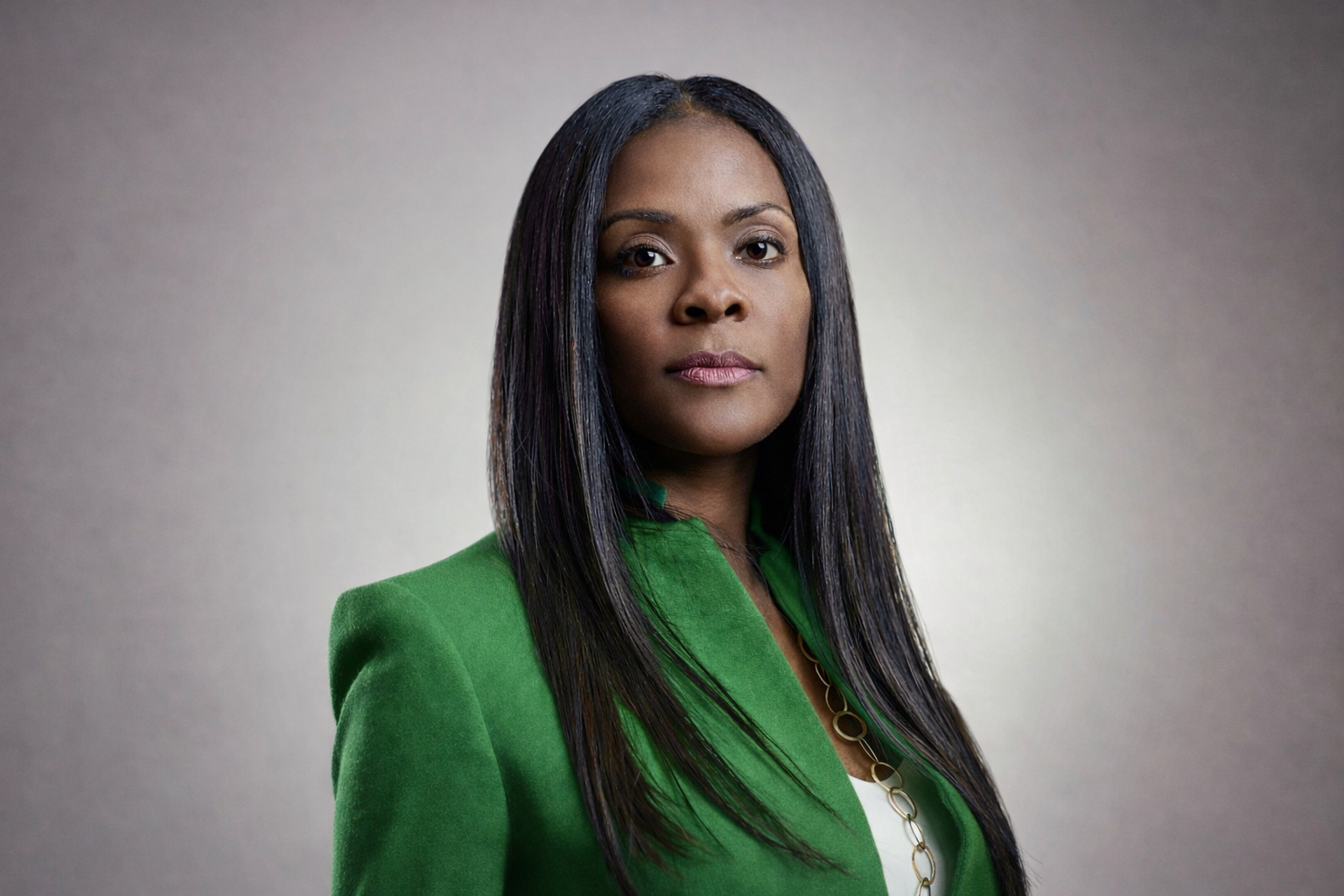
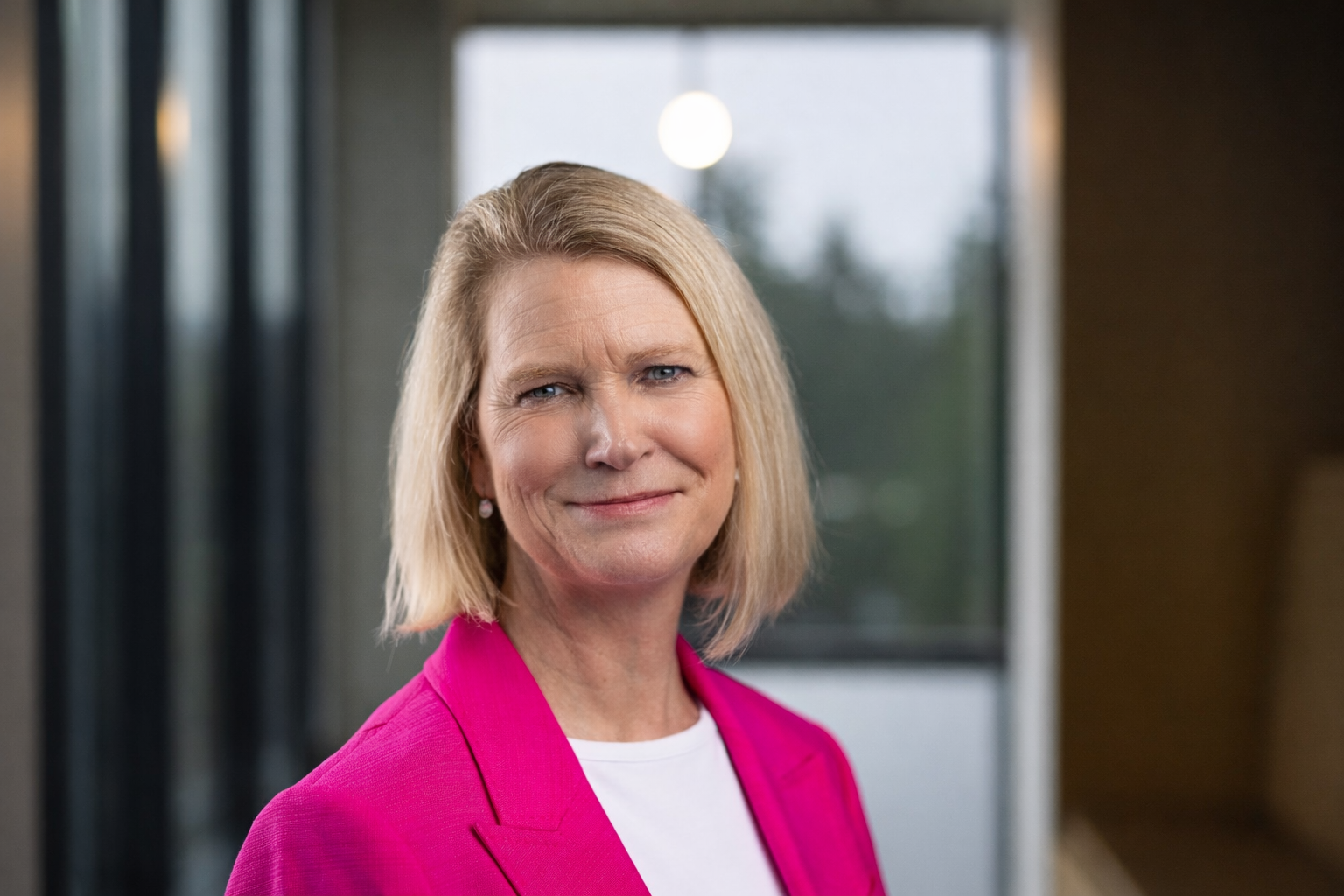
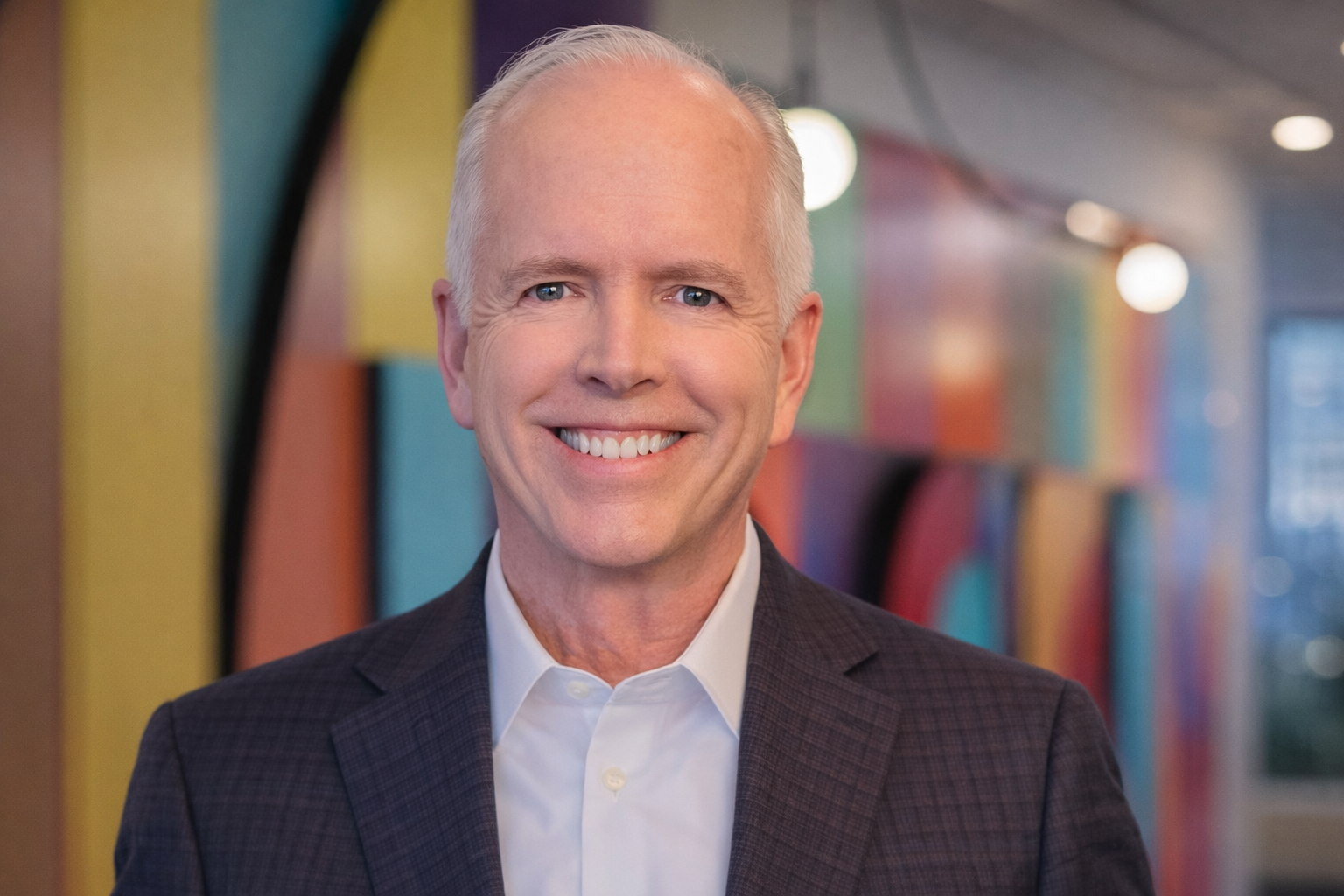
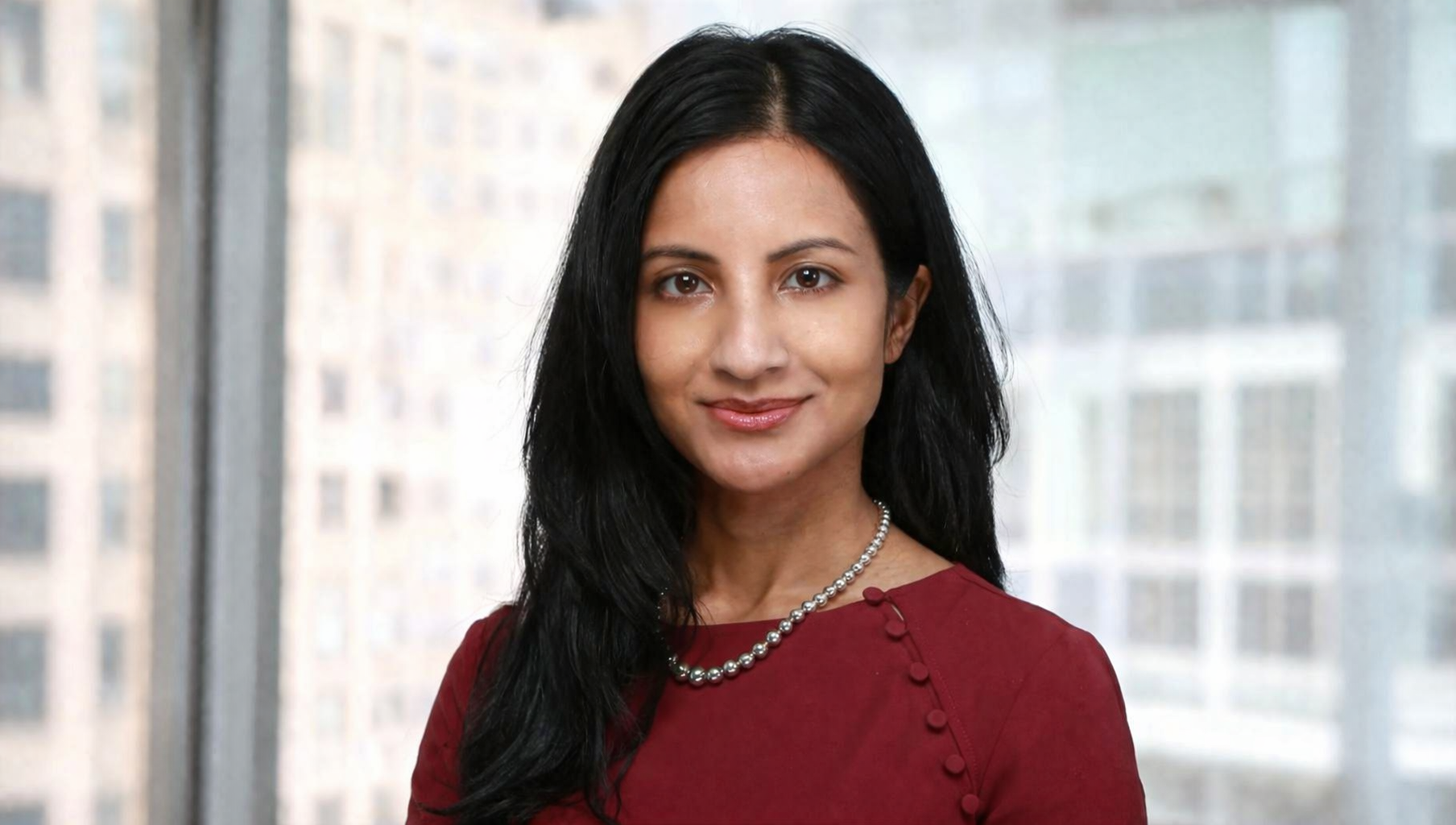
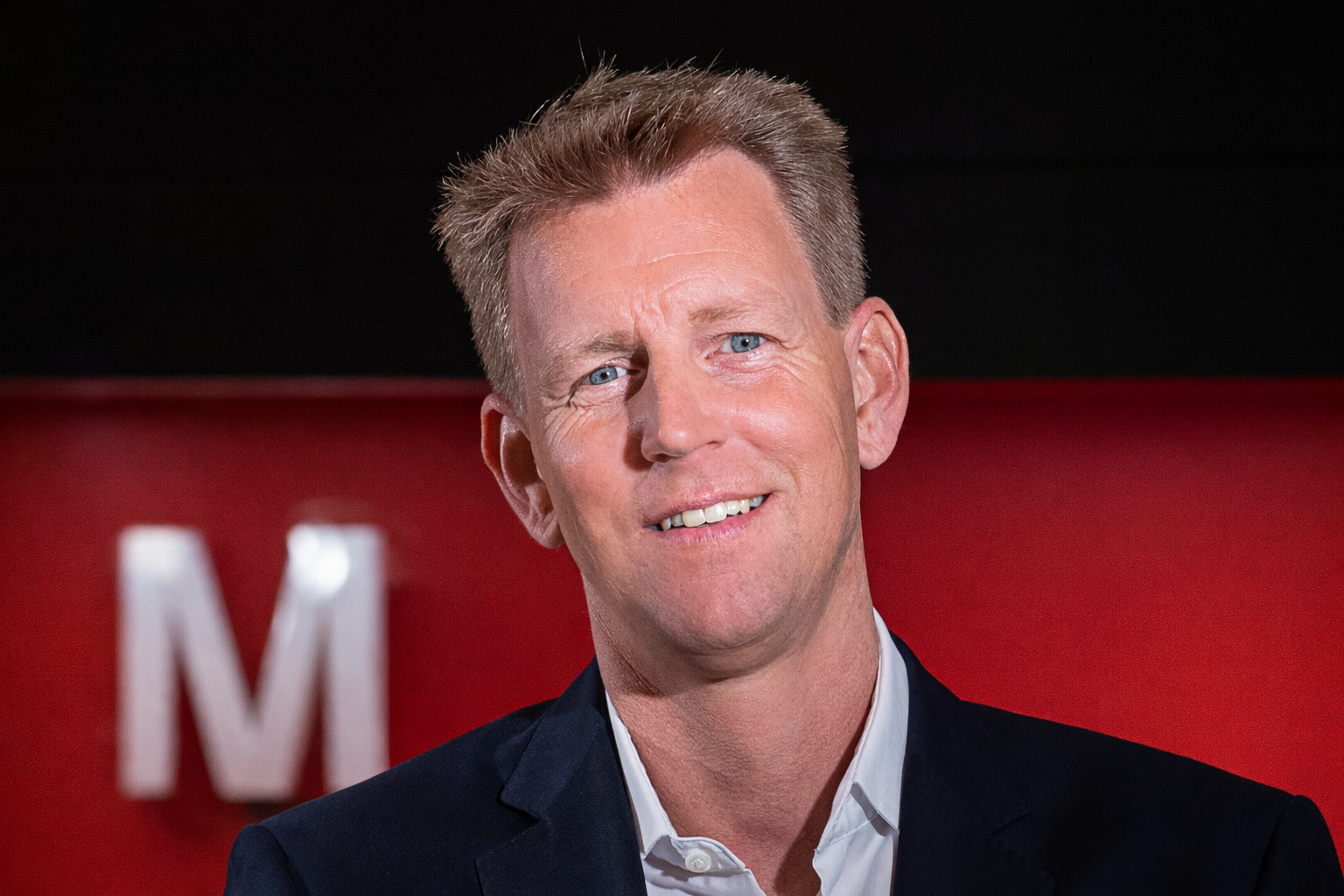
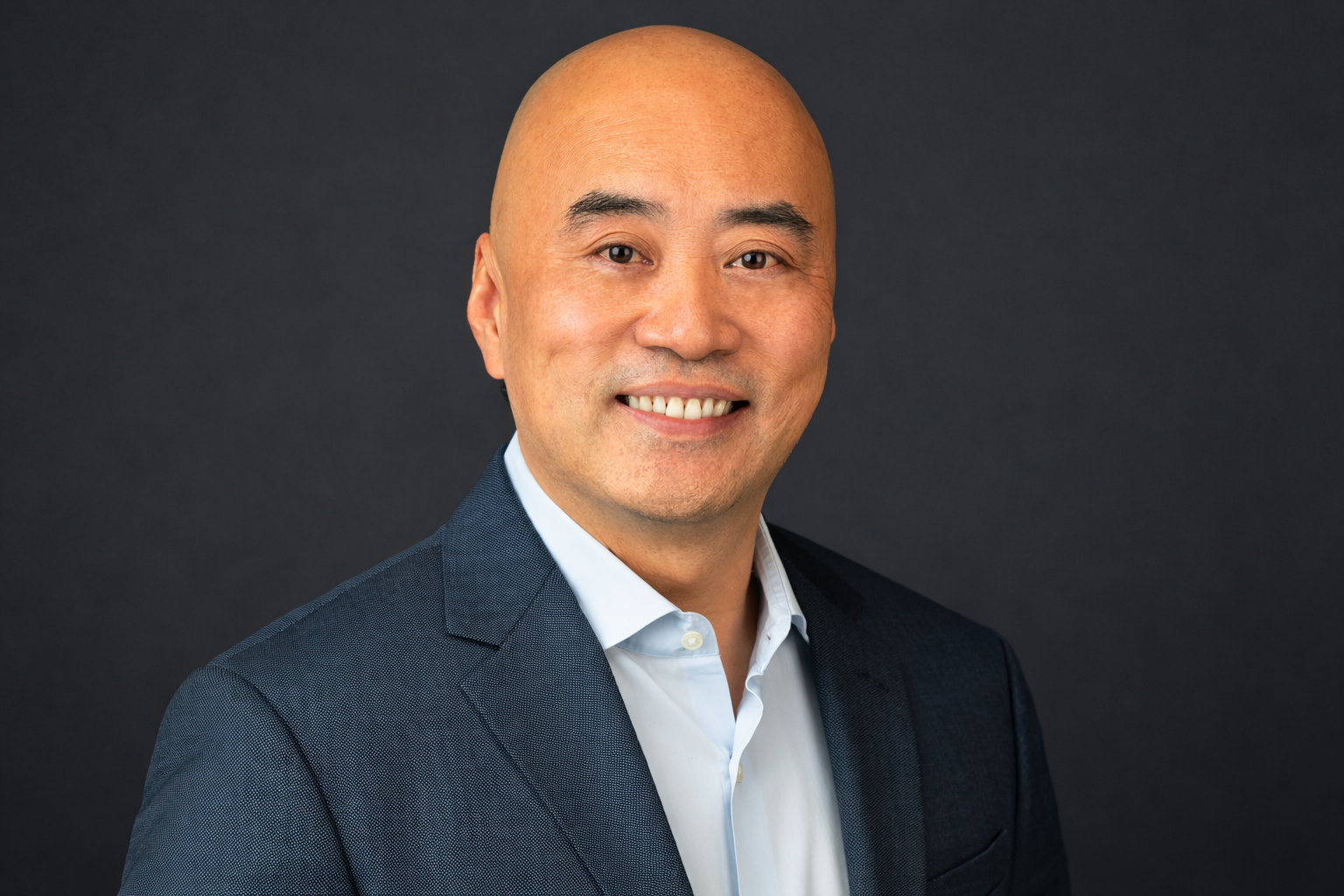
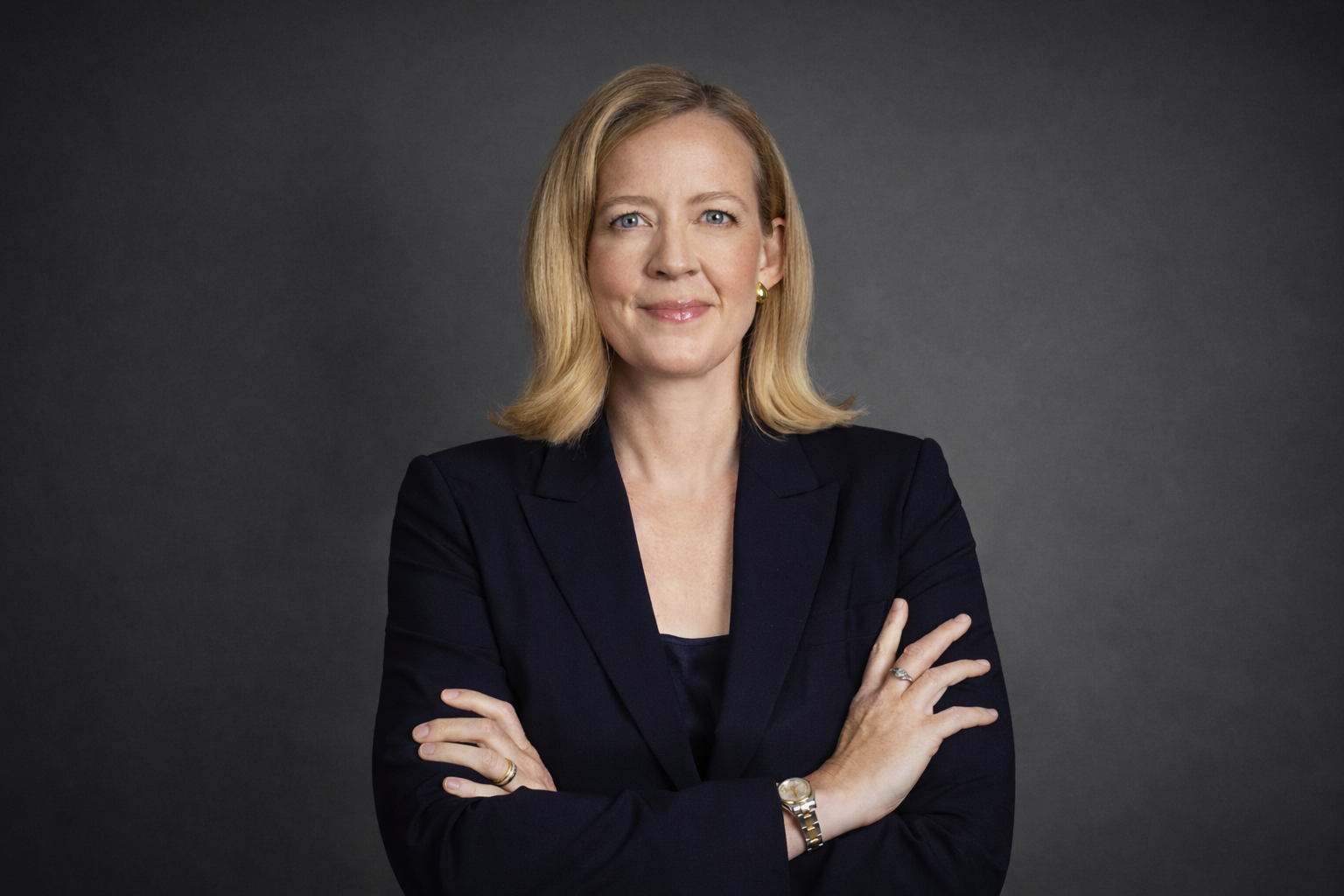
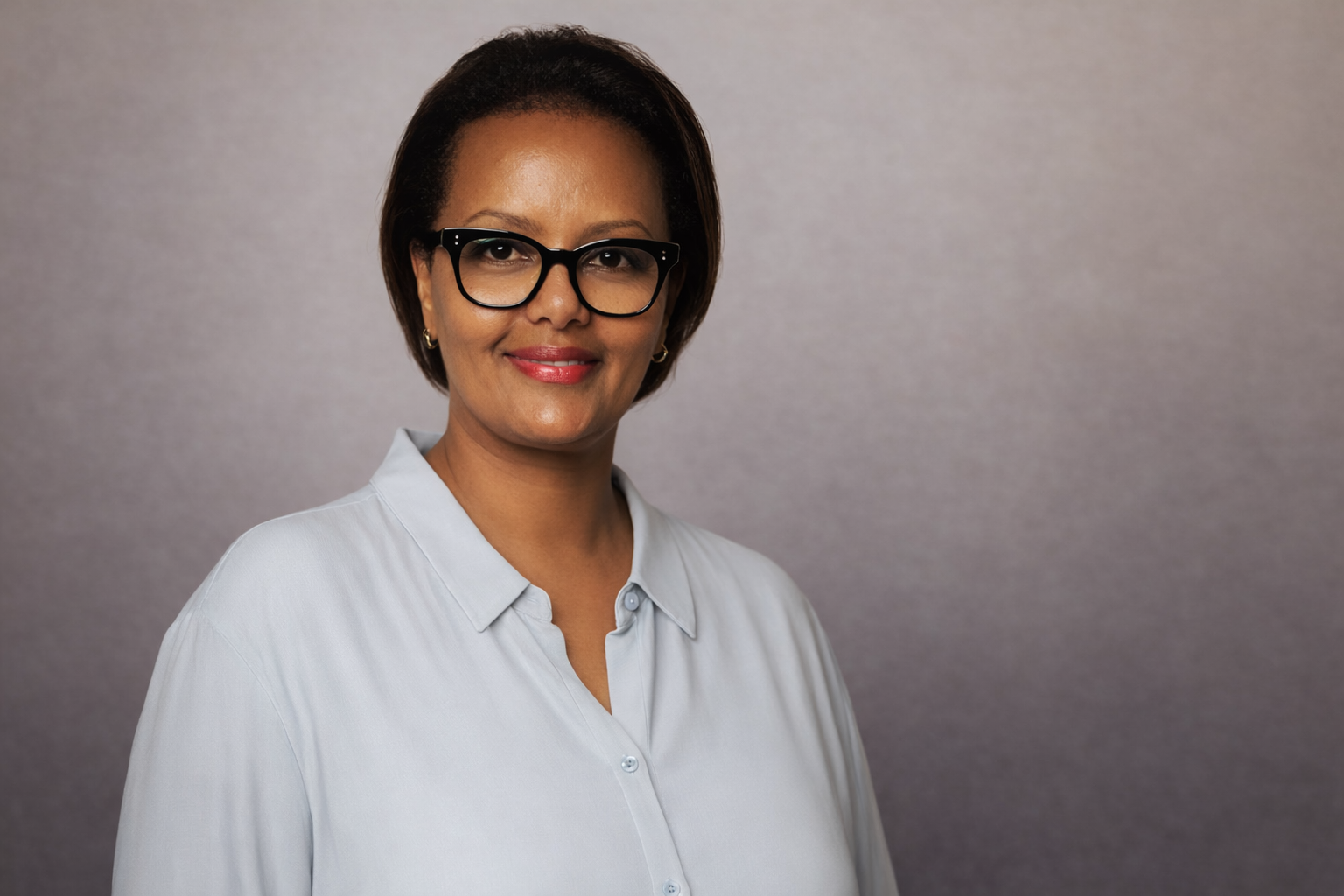
Thunes has appointed Guy Duncan as Chief Technology and Product Officer and Parvinder Bhatia as Chief Financial Officer, adding two senior executives as the company prepares for its next stage of global growth. The Singapore-based fintech firm operates a network that connects banks, digital wallets, and payment providers across more than 140 countries, enabling real-time cross-border transactions.
The hires come at a moment when international payments are undergoing rapid transformation. As digital wallets, instant transfers, and alternative payment methods expand worldwide, companies like Thunes are attempting to build infrastructure that can move money seamlessly across different financial systems.
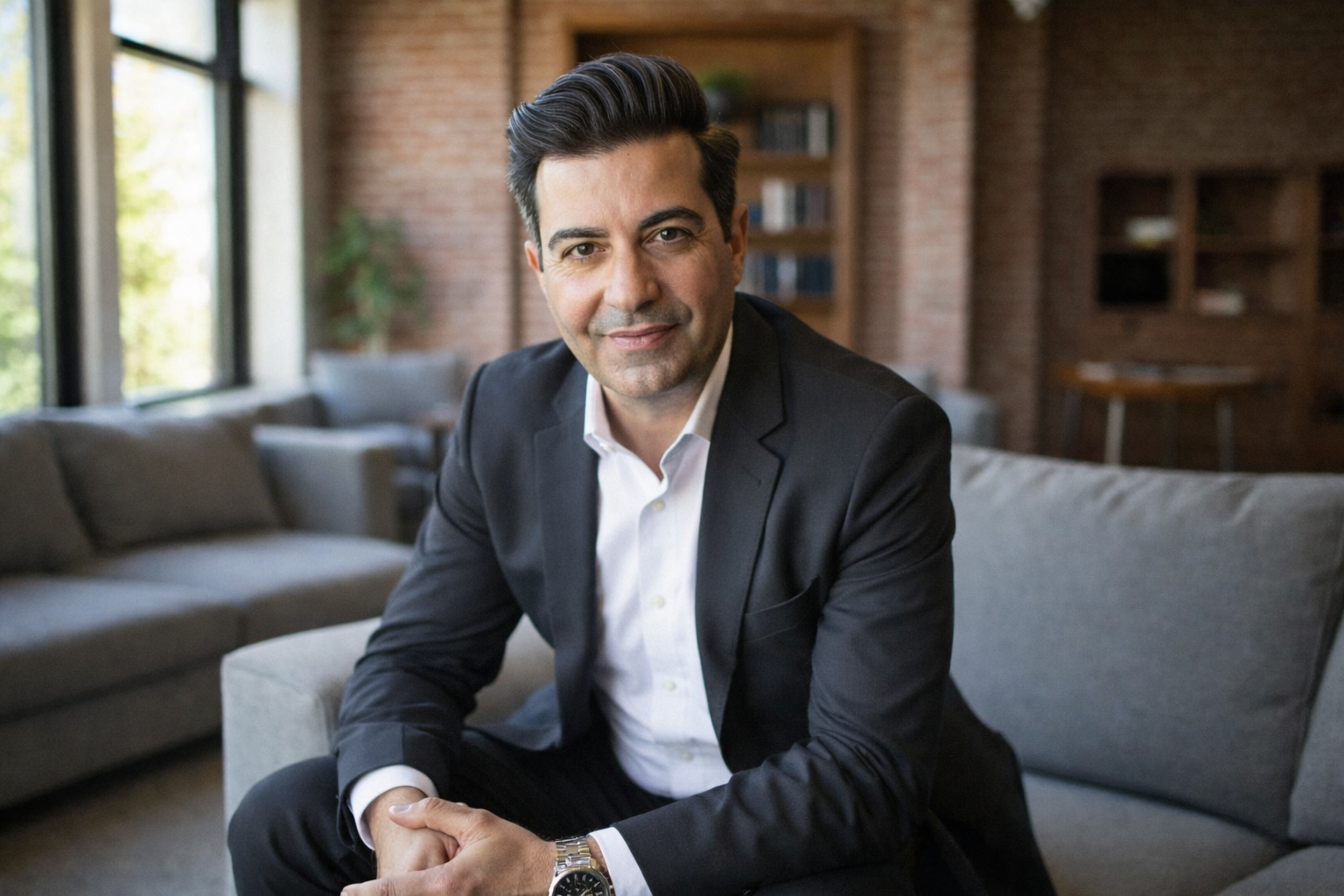
Duncan arrives with experience in large-scale technology platforms, most recently serving as chief technology officer at fintech company Tide and previously holding leadership roles in digital transformation projects at major organizations. His responsibilities at Thunes will focus on product development and technology strategy, including the integration of artificial intelligence into the company’s payment network.
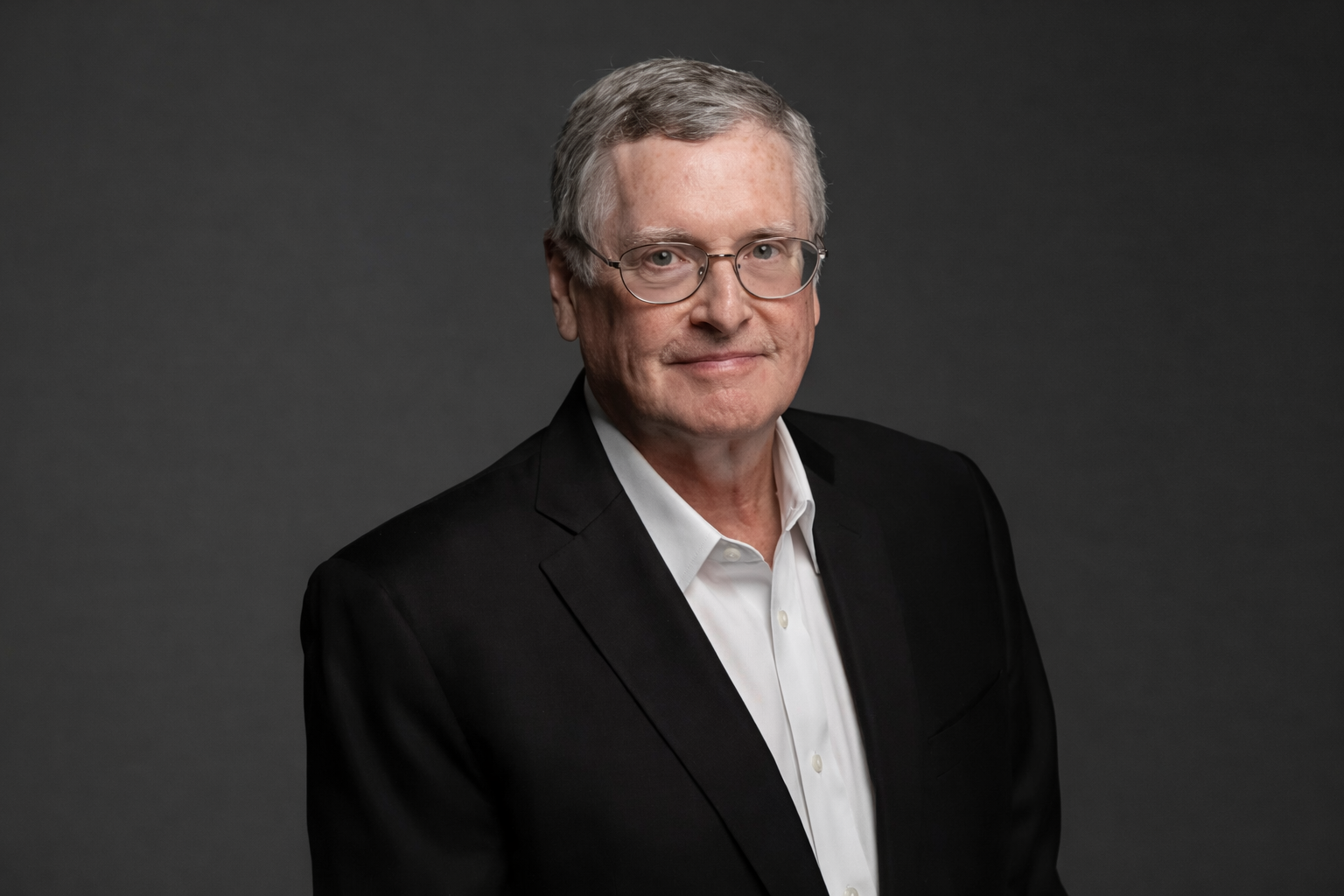
Bhatia, who joins from European digital bank bunq, brings more than two decades of financial leadership experience across fintech and venture-backed companies. As chief financial officer, he will oversee the company’s global finance operations while helping guide its expansion into new markets.
The appointments reflect a broader pattern among fintech firms seeking leadership that blends technical expertise with operational scale. As cross-border payments evolve, companies must navigate not only technological challenges but also regulatory frameworks, currency systems, and regional financial partnerships.
Thunes’ network already links billions of digital wallets, bank accounts, and payment cards through multiple transaction methods. Yet the competitive landscape is intensifying as global financial institutions, technology companies, and startups all attempt to streamline international money movement.
In that environment, leadership roles increasingly extend beyond traditional management responsibilities. Executives such as Duncan and Bhatia are tasked with shaping how payment infrastructure adapts to emerging technologies, shifting consumer expectations, and the growing demand for faster, more transparent global transactions.