An interview with the co-founder of a circular economy platform on incentives, traceability, and practical sustainability
Key Takeaways
- Waste reduction starts with visibility, not intention
- Circular systems succeed when incentives align
- Data must travel across organizational boundaries
- Reuse requires coordination, not just compliance
- Measurable impact matters more than aspirational goals
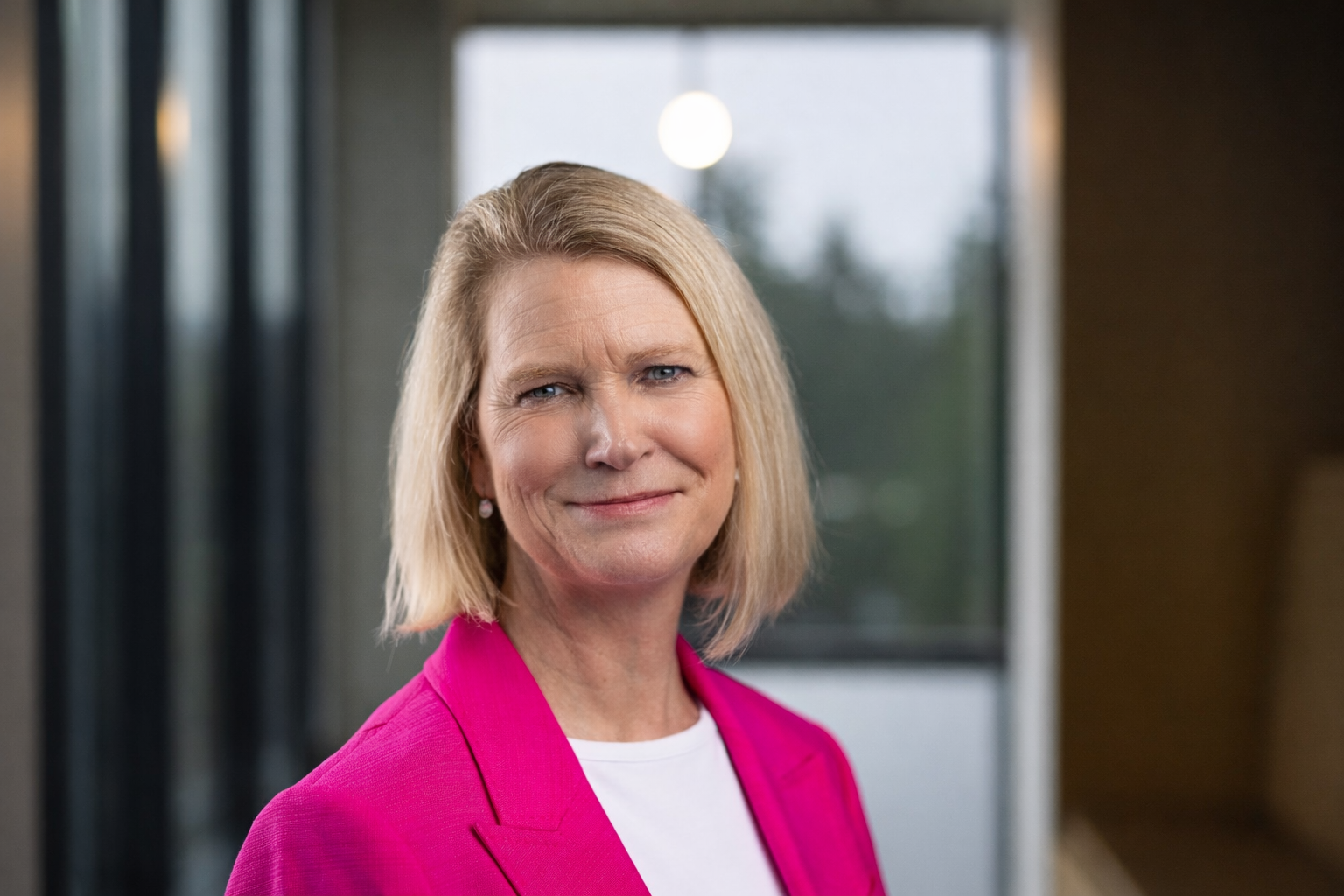
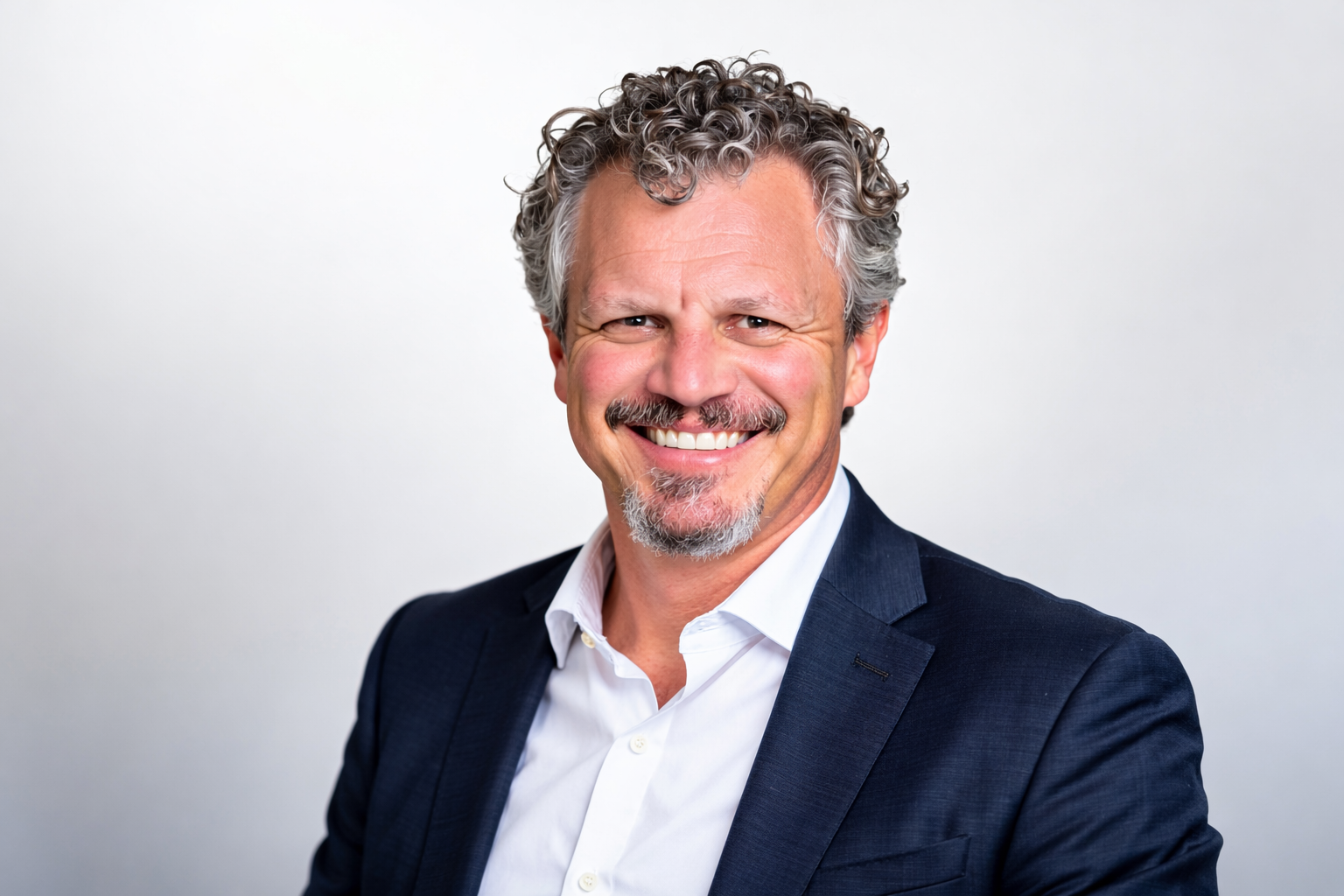
The idea of a circular economy—where materials are reused rather than discarded—has gained widespread attention, but implementation remains uneven and complex. For many organizations, the challenge lies not in ambition but in coordination: tracking materials, aligning incentives, and turning sustainability goals into operational decisions. That challenge is what led Sofia Alvarez to co-found LoopLedger, a software platform designed to help companies reduce waste and extend the life of materials across supply chains. With a background in industrial design and systems engineering, Alvarez brings a pragmatic lens to sustainability technology. In this interview, she discusses why waste is often a data problem, how software can unlock reuse at scale, and what it takes to move from intent to impact.
Interview
Q1: What problem convinced you that software could play a meaningful role in waste reduction?
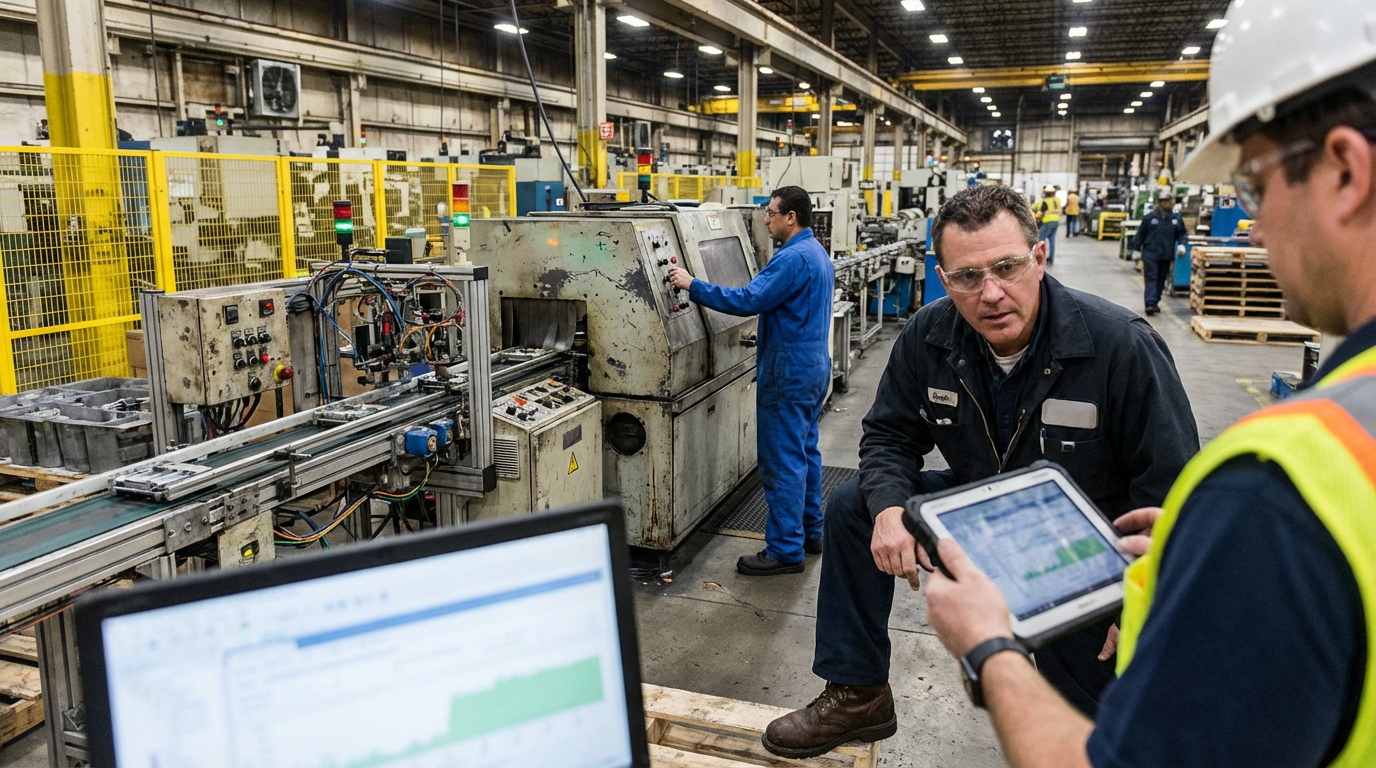
I kept seeing the same pattern across industries. Companies wanted to reduce waste, but they lacked visibility into where materials were coming from, how they were being used, and what happened to them at end of life. Without that visibility, reuse becomes guesswork.
Waste isn’t just a byproduct of consumption—it’s often a byproduct of disconnection. LoopLedger was founded to make material flows legible across organizations so that reuse becomes an operational option, not just a theoretical one. Once people can see materials clearly, better decisions follow.
Q2: How does LoopLedger support circularity in practical terms?
We focus on traceability and coordination. LoopLedger tracks materials from procurement through use, recovery, and redeployment, creating a shared record that multiple stakeholders can access. That includes manufacturers, logistics providers, and recyclers.
But data alone isn’t enough. The platform also helps align incentives by highlighting cost savings, compliance benefits, and risk reduction associated with reuse. Circularity works when it makes economic sense. Our job is to make those trade-offs explicit so sustainability decisions don’t feel like sacrifices.
Q3: Circular economy initiatives often struggle with scale. Why is that?
Because reuse is inherently collaborative. Unlike linear systems, where materials move in one direction, circular systems require coordination across time and organizations. That’s hard without shared infrastructure.
Many initiatives fail because they rely on manual processes or isolated pilots. Software can provide the connective tissue that allows circular practices to scale consistently. But that only works if the system respects how organizations actually operate. Overly rigid solutions break down quickly in real-world conditions.
Q4: How do you measure impact in a way that builds credibility?
We’re very cautious about metrics. It’s easy to overstate impact by focusing on potential rather than realized outcomes. We prioritize measurable results—materials reused, waste diverted, emissions avoided—grounded in verified data.
Transparency is critical. Customers need to understand how numbers are calculated and where assumptions are made. Credibility in sustainability comes from being clear about both successes and limitations. If the data can’t be trusted, the narrative doesn’t matter.
Q5: As a co-founder, what principles guide how you build the company?
Pragmatism is central. We care deeply about sustainability, but passion alone doesn’t change systems. Solutions have to work within existing economic and operational constraints.
Another principle is inclusivity. Circularity isn’t something a single company can achieve alone, so our platform is designed to be interoperable and adaptable. Finally, we optimize for durability. Waste reduction is a long-term challenge, and the tools addressing it need to be built with patience and persistence in mind.
Looking Forward
LoopLedger’s approach reflects a maturing view of sustainability—one that emphasizes execution over aspiration and systems over symbolism. Alvarez’s focus on visibility, incentives, and measurable outcomes challenges the idea that circularity is primarily a cultural shift. Instead, her work suggests it is a coordination problem that can be addressed with the right infrastructure. As pressure mounts to reduce waste across industries, software that turns circular principles into practical action may prove to be one of the most powerful tools available.