
With leadership transitions at major manufacturers often signaling broader strategic shifts, Georgia-Pacific’s appointment of David Duncan points to continuity as well as potential recalibration across its diverse product lines.
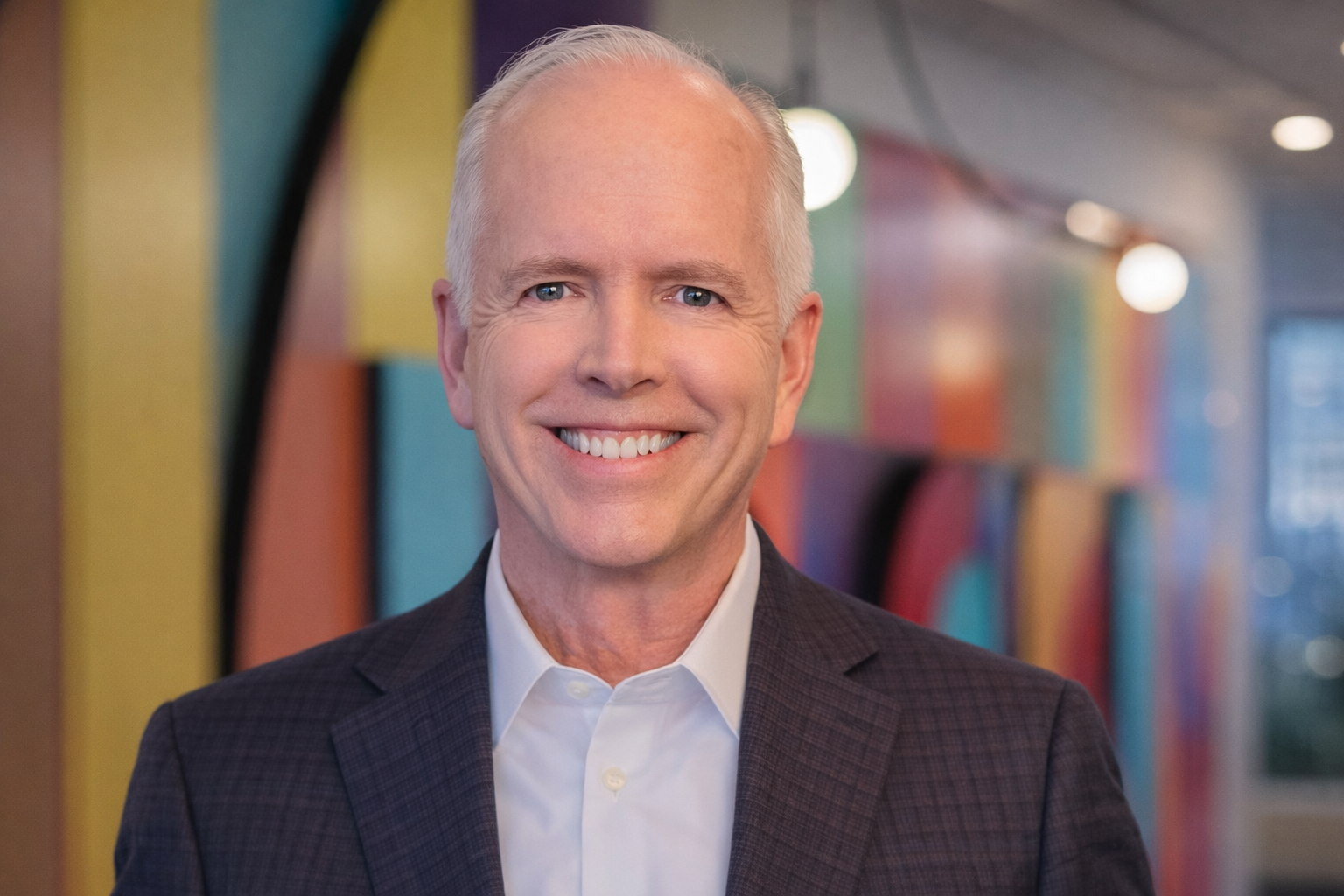
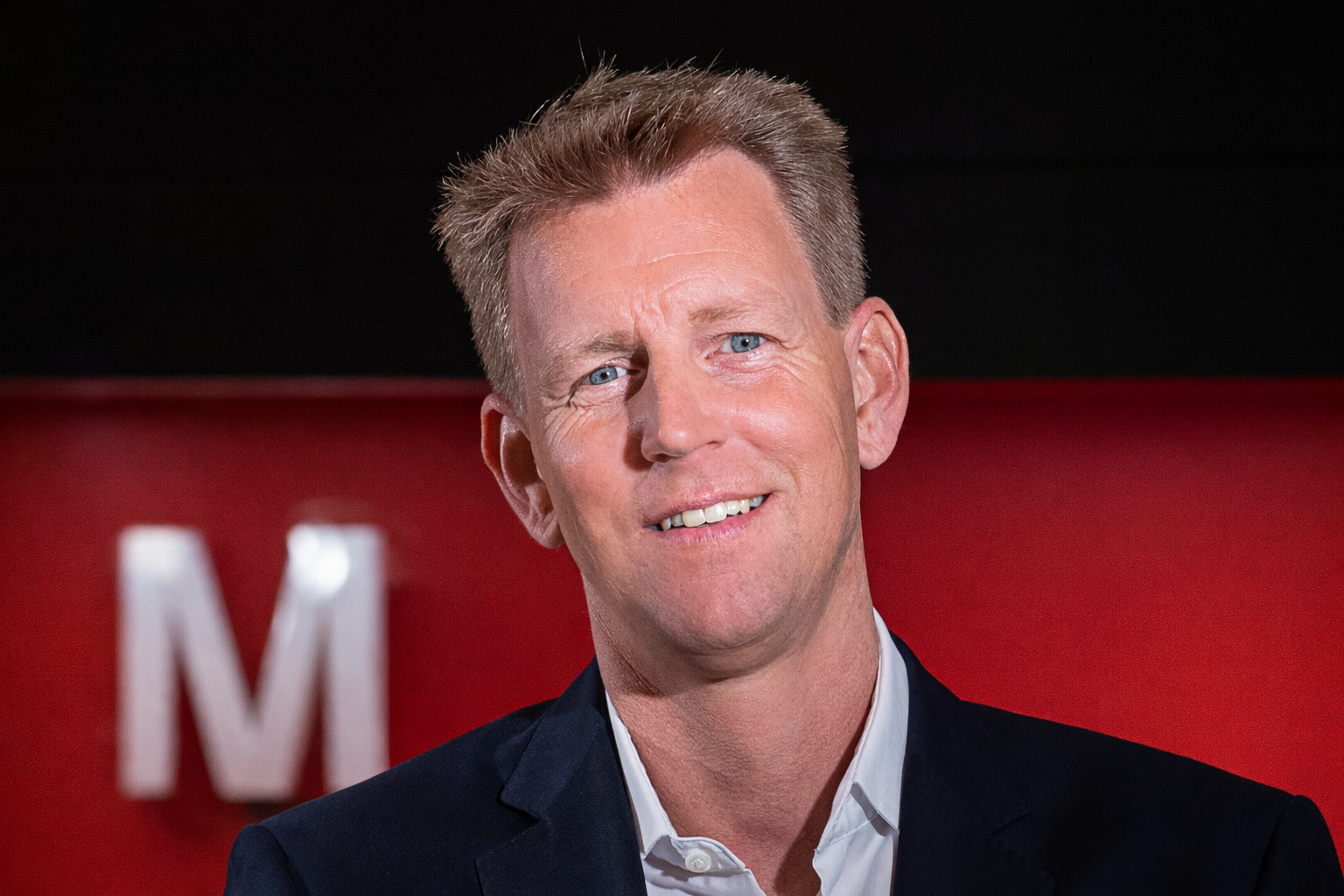
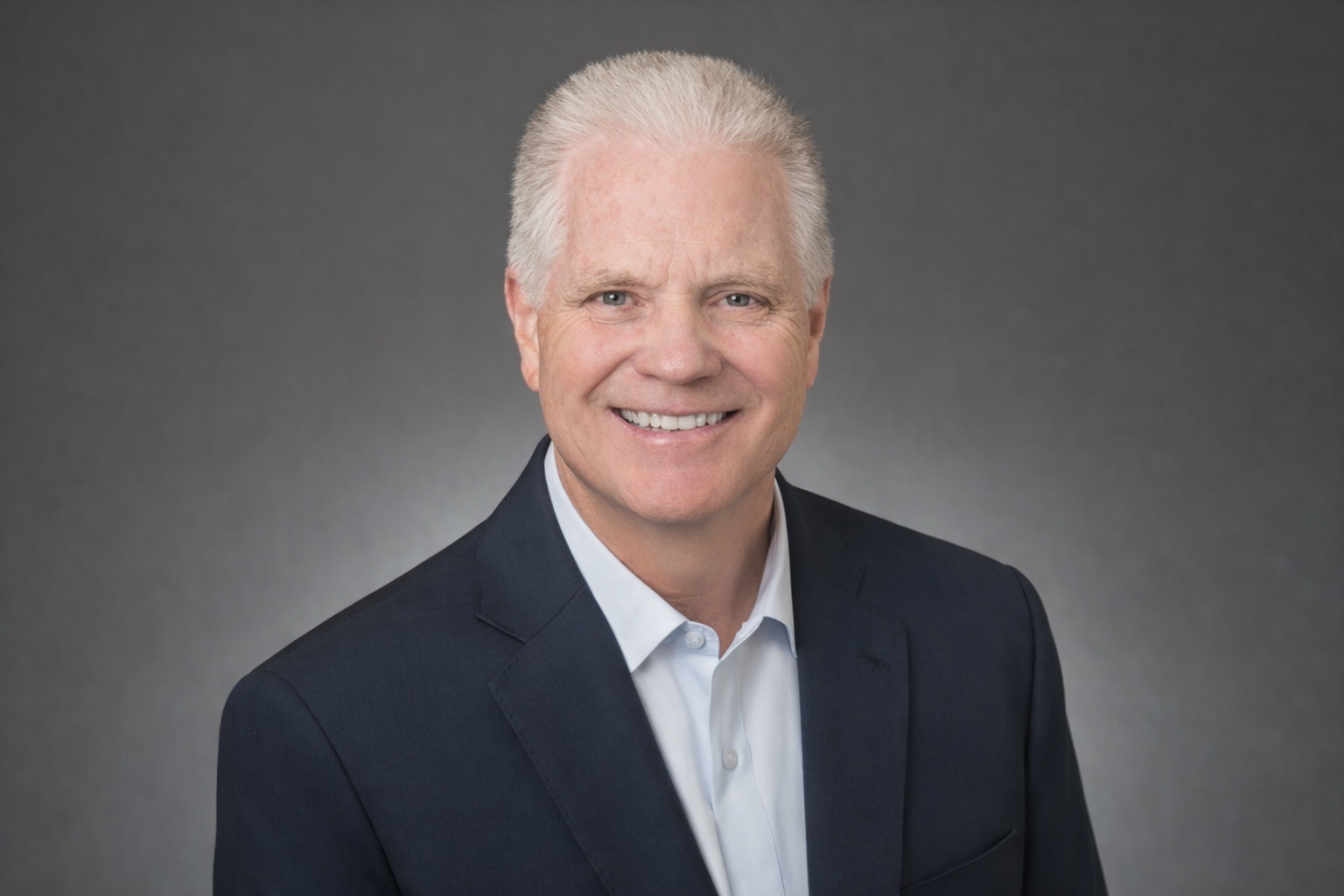
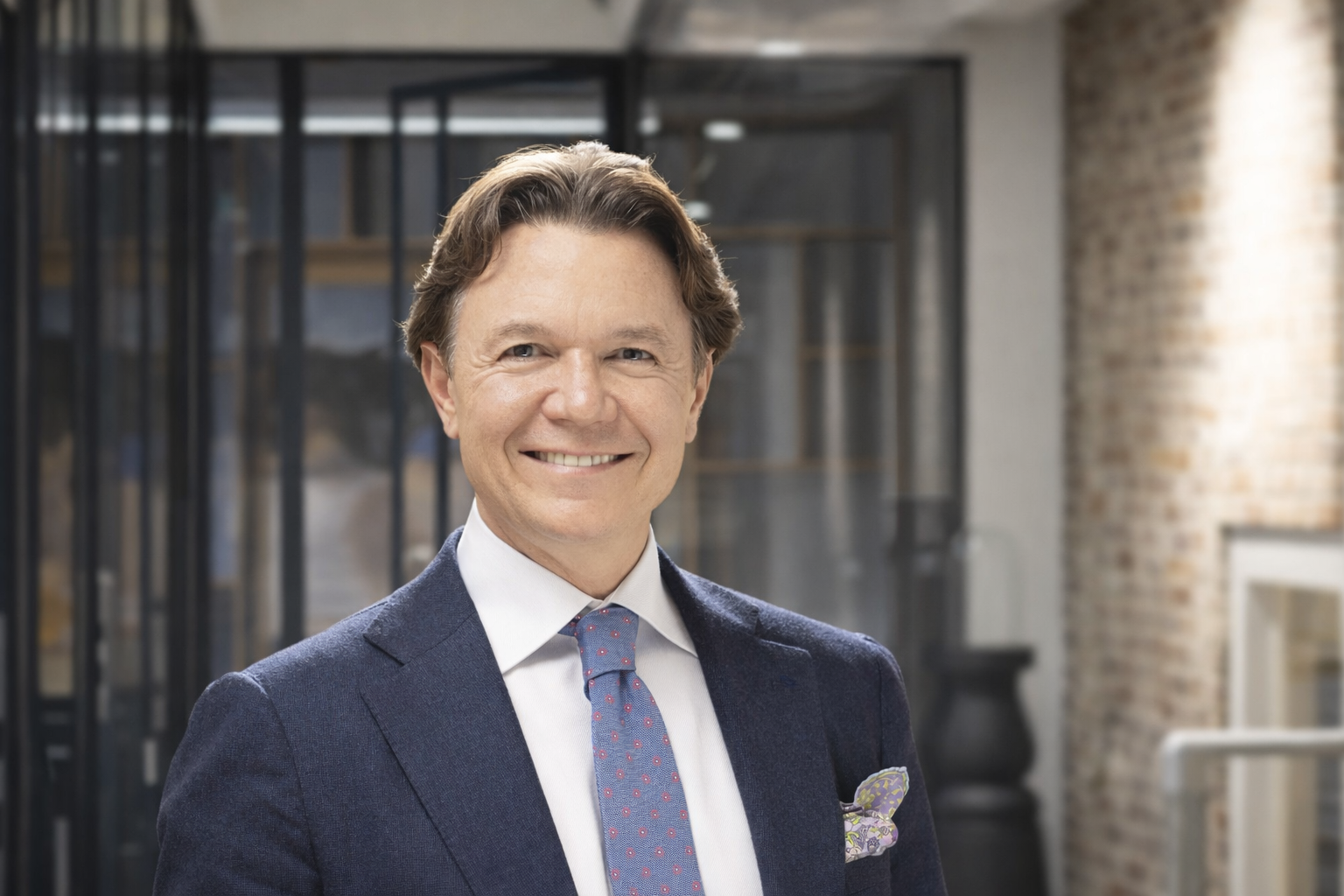
Georgia-Pacific has named David Duncan as its new president and CEO, formalizing a leadership transition after a period of interim oversight. Duncan, who previously led the company’s consumer products group, steps into the role with nearly three decades of experience across Koch-affiliated businesses, the conglomerate that owns Georgia-Pacific.
The move comes at a time when large manufacturing companies are navigating shifting consumer demand, supply chain pressures, and increasing expectations around efficiency. Duncan’s background, spanning building products, consumer goods, and financial roles within Koch companies, suggests a leadership approach shaped by both operational and strategic considerations.
Alongside Duncan’s appointment, Georgia-Pacific is also elevating Vivek Joshi to executive vice president of its consumer products business. Joshi’s long tenure within the company, particularly in managing well-known household brands, underscores an emphasis on internal leadership development rather than external recruitment.
For a company approaching its centennial, leadership changes often reflect more than routine succession. Georgia-Pacific operates across a wide range of sectors, from consumer tissue products to building materials, meaning its strategic direction must balance cyclical industrial markets with more stable consumer demand.
Duncan’s experience leading both building products and consumer divisions may position him to navigate that balance. His prior roles in investment and financial oversight within the broader Koch ecosystem could also influence how the company approaches capital allocation and long-term growth.
At the same time, the promotion of Joshi highlights the importance of the consumer segment within Georgia-Pacific’s portfolio. Brands such as paper goods and foodservice products remain central to the company’s identity, even as it continues to operate in more industrial sectors.
Leadership continuity may be particularly important as manufacturers adapt to evolving economic conditions and operational challenges. Internal promotions can offer stability, though they may also signal a commitment to existing strategies rather than a departure from them.
Georgia-Pacific’s leadership shift ultimately reflects a familiar pattern among established industrial companies: balancing continuity with the need to adapt. As Duncan takes on the role, the extent to which his tenure shapes the company’s direction will likely be measured not by immediate change, but by how it responds to longer-term pressures across its markets.