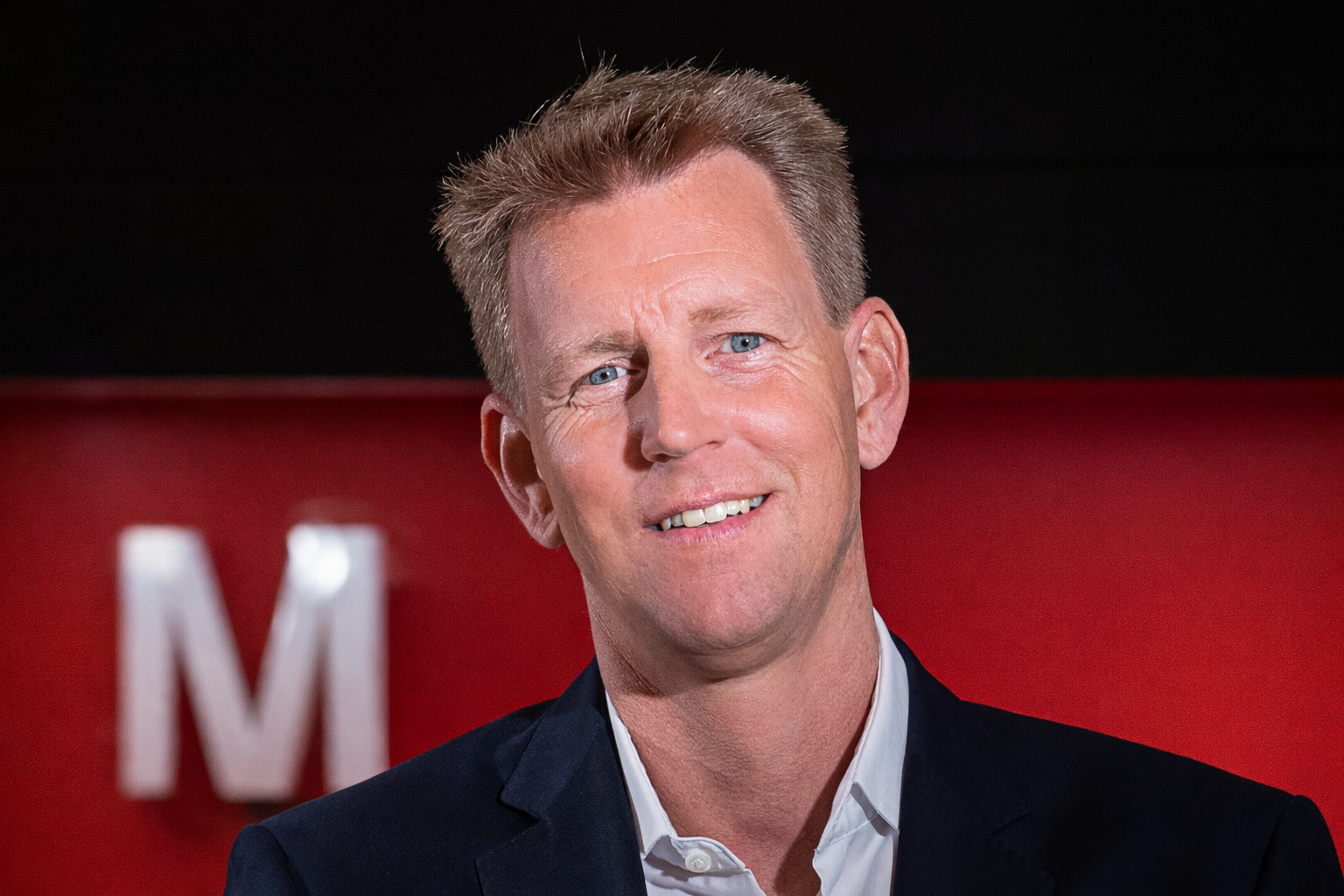
Leica Camera AG appoints Andreas Voll as CEO beginning April 2026, a leadership transition that arrives as the historic photography company navigates digital transformation while protecting its century-long identity.
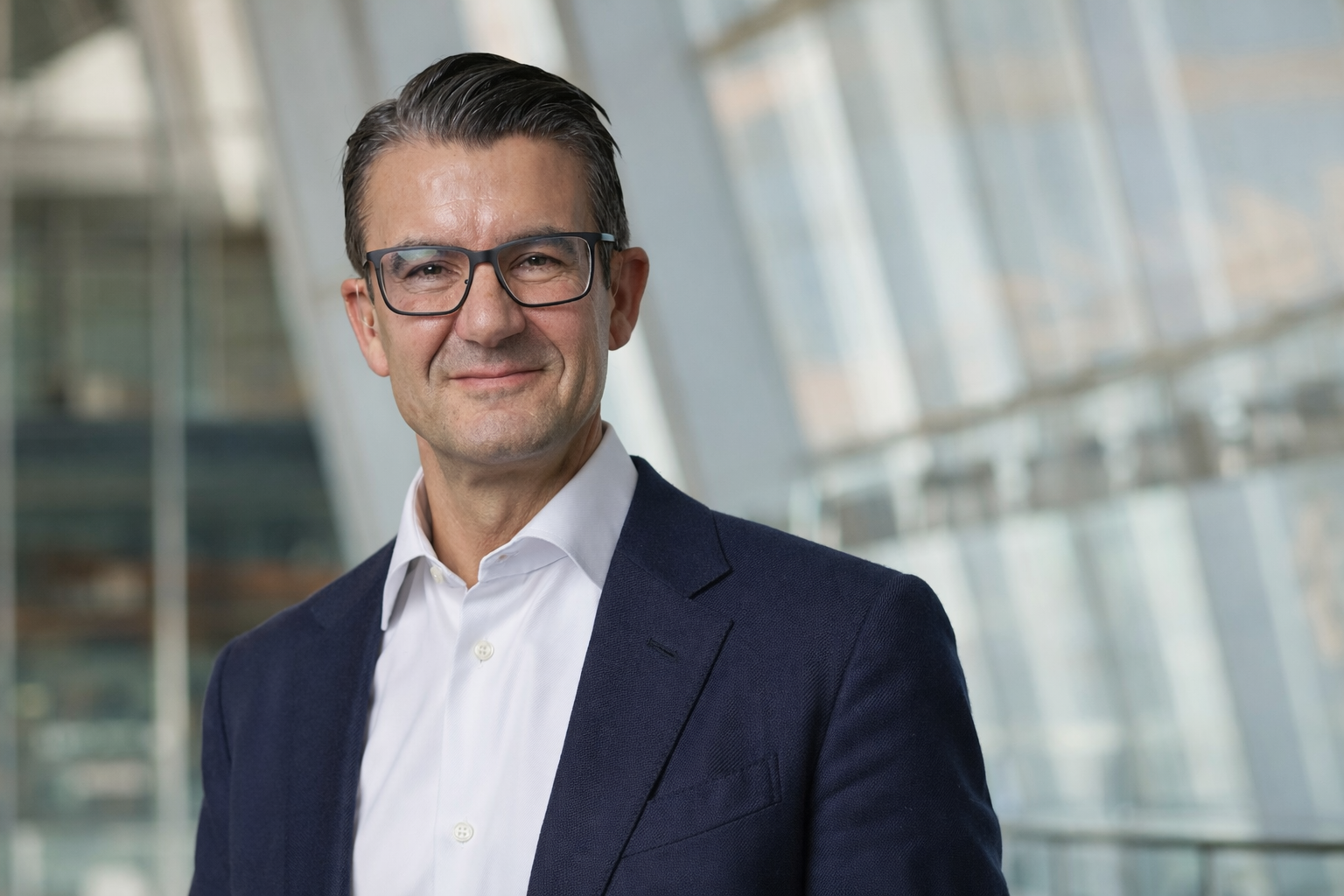
Leica Camera AG has appointed Andreas Voll as chief executive officer, marking a significant leadership transition for the German photography company as it moves into its next phase of growth. The decision, announced by the company’s supervisory board, will take effect on April 1, 2026, when Voll succeeds Matthias Harsch, who has led Leica since 2017.
For Leica Camera AG, the change represents both continuity and recalibration at a moment when the global camera industry continues to evolve. The brand, long associated with precision engineering and photographic culture, recently marked a century of camera production, a milestone that underscores both its heritage and the pressure to remain relevant in a digital imaging landscape increasingly shaped by smartphones and connected technologies.
Andreas Voll arrives with a background that blends industrial management with experience in premium consumer brands. Most recently chief executive of the German-based Fischer Group, he previously held senior roles at Swiss watchmaker IWC Schaffhausen, part of the Richemont Group, where he served as chief operating officer after beginning his career in management consulting.
The leadership transition follows a period in which Leica expanded beyond traditional cameras and lenses into areas such as mobile imaging partnerships, optical products, and consumer electronics like projectors and watches. These moves reflect a broader strategy seen across legacy hardware brands: maintaining prestige craftsmanship while identifying new markets where optical expertise can translate into modern digital products.
Leica’s next chapter is expected to emphasize both innovation and brand stewardship. The company has outlined priorities that include expanding digital imaging technologies, strengthening international retail networks, and deepening collaborations in fields such as smartphone photography and advanced optics.
Such goals highlight a tension familiar to many heritage technology brands. Leica’s reputation rests on meticulous manufacturing and a strong community of photographers, yet the company must also compete in a market where imaging increasingly happens through devices designed primarily for other purposes.
Leadership transitions can be pivotal moments for companies with deep cultural identities, and Leica’s new CEO will inherit a brand whose value lies not only in products but in its symbolic place within photographic history. Whether the company can expand its technological footprint while preserving that legacy will likely define the impact of Andreas Voll’s tenure in the years ahead.