With new leadership and fresh capital from Grantham Environmental Trust and Toyota Ventures, ALORA moves to validate gene-edited crop traits aimed at boosting yields under heat stress.
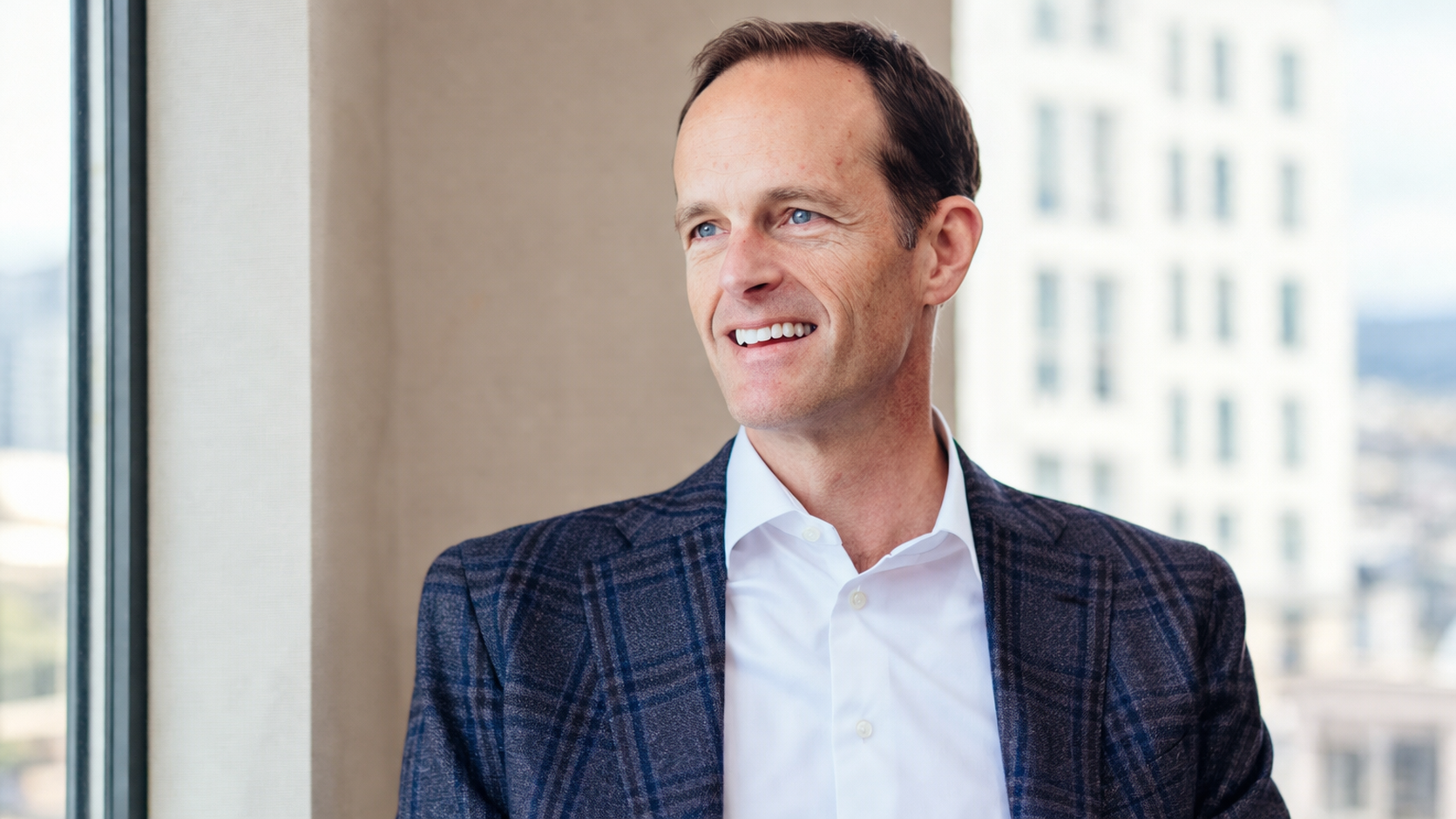
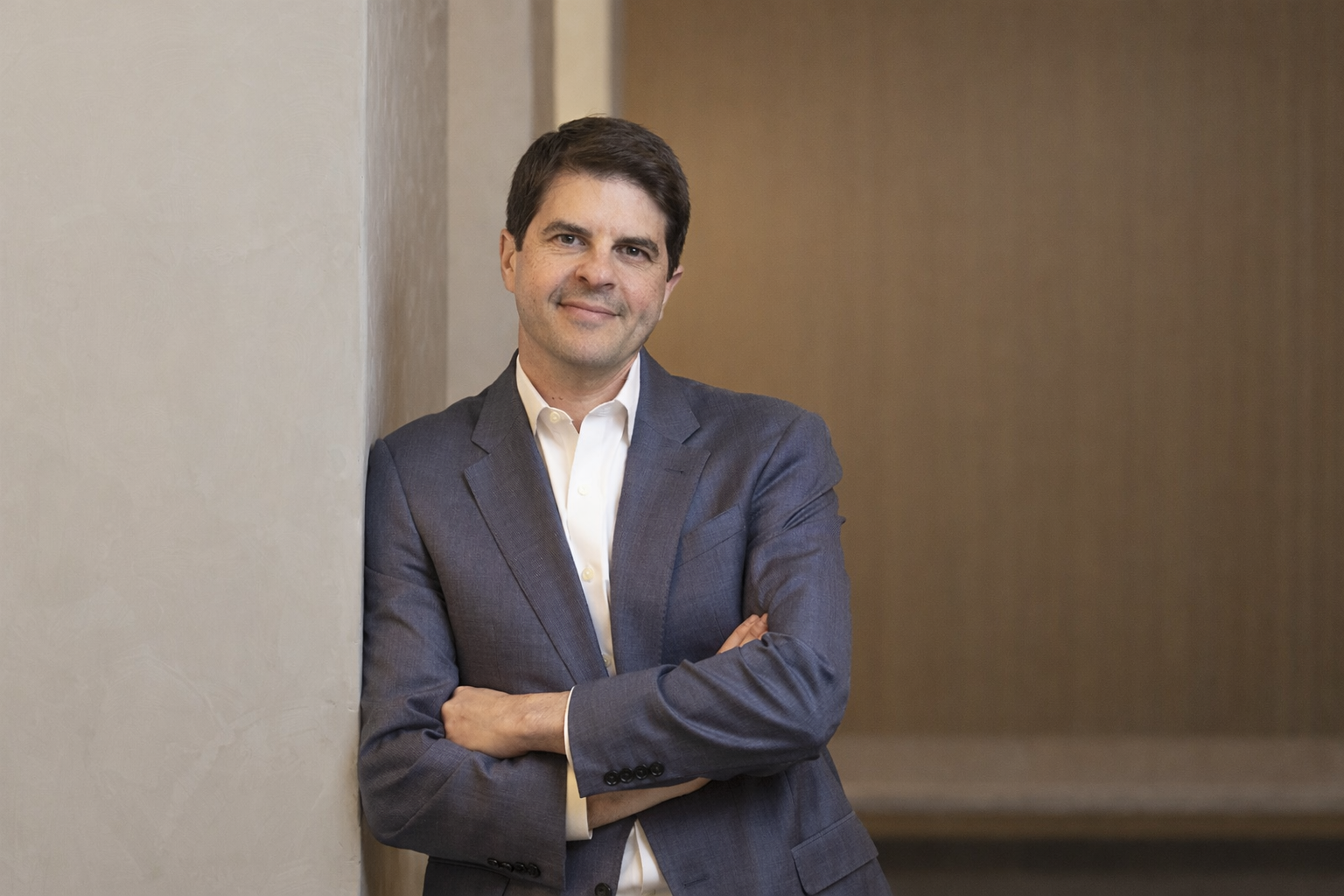
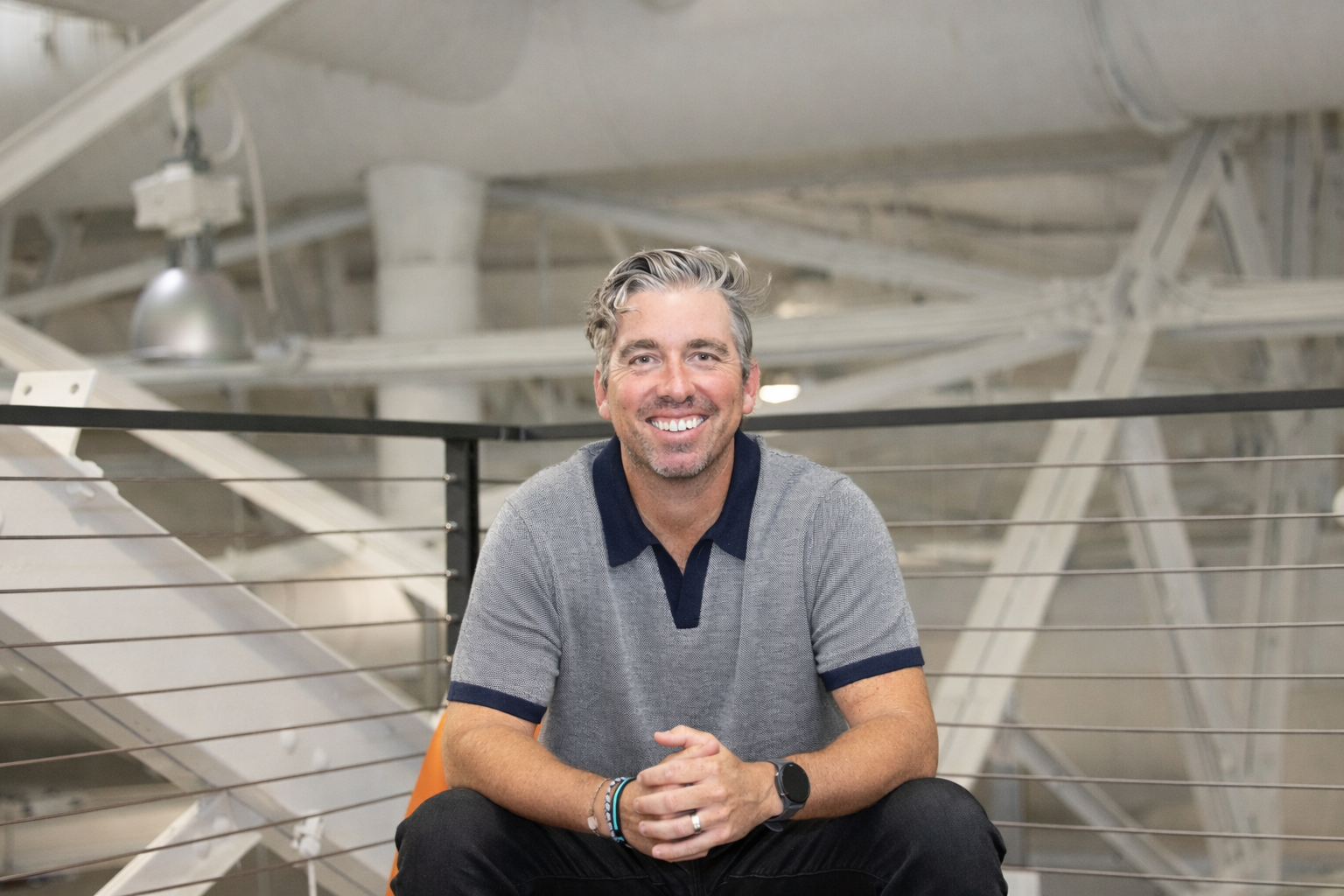
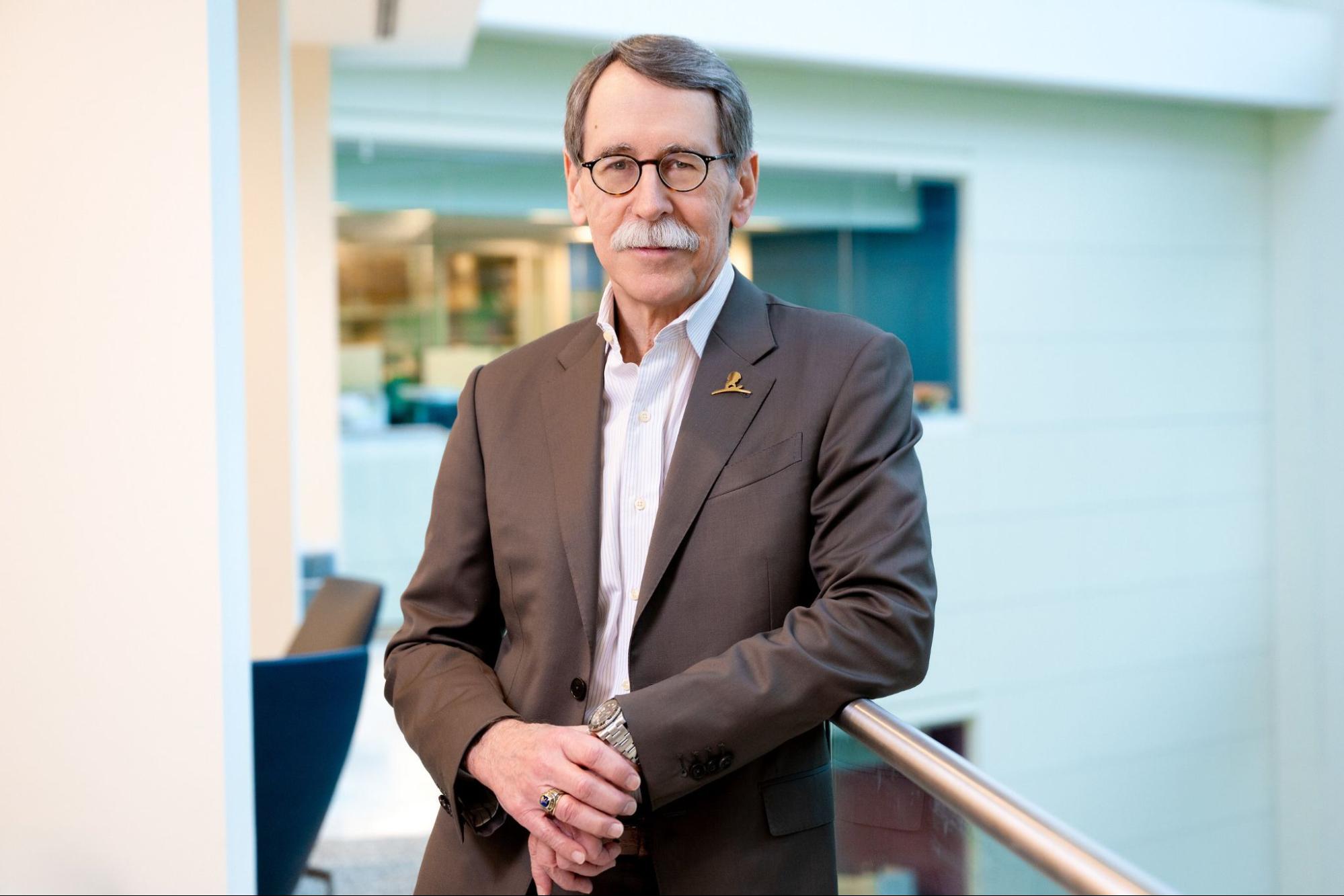
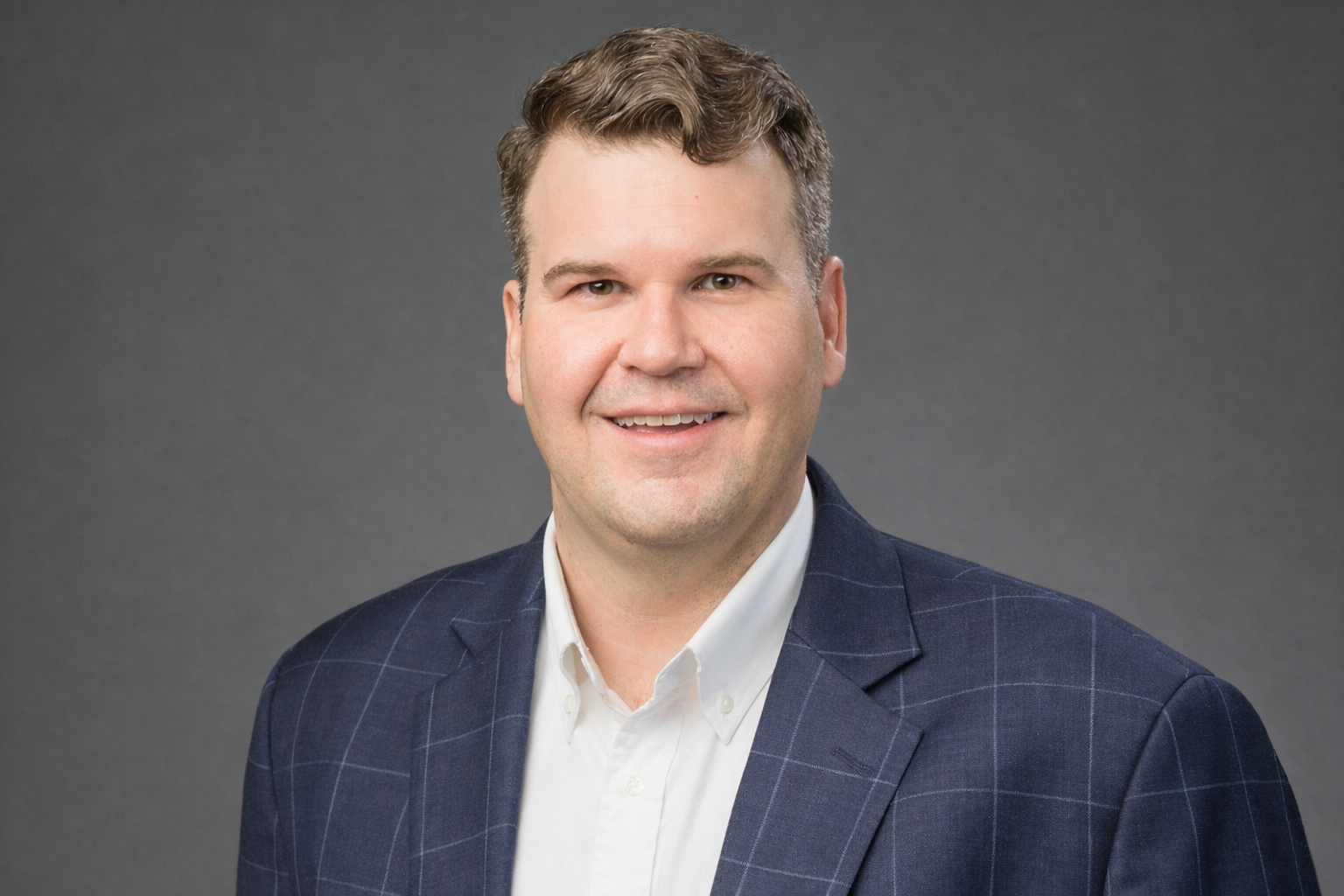
ALORA, an agricultural biotechnology company based at the Norwich Research Park in England, has appointed Adam Helms as chief executive officer while securing new investment from the Grantham Environmental Trust’s Neglected Climate Opportunities Fund and Toyota Ventures. The leadership change and funding arrive as the company advances gene-edited crop traits designed to redirect plant energy from stress defense toward yield.
The science behind ALORA’s approach centers on a longstanding agricultural tension: crops often divert energy to defend against heat and other stresses, limiting productivity. By modifying specific traits, the company aims to help plants maintain higher yields even under extreme conditions. In controlled environments, ALORA reports rice yield improvements of up to 1.5 times under optimal conditions and two to four times under severe heat stress, with early field trials in the United Kingdom indicating similar open-field performance.
Helms steps in as the company shifts from early-stage results toward broader validation across additional crops, genetic backgrounds and geographies. That phase is critical in agricultural biotechnology, where promising lab data must translate reliably to diverse farming conditions before commercial partnerships can materialize. Founding CEO Luke Young will transition to chief technology officer, continuing to oversee research and development.
The involvement of climate-focused investors underscores the growing intersection between food security and environmental strategy. As global temperatures rise and extreme weather becomes more common, agricultural innovation is increasingly framed as a climate solution as much as a productivity play. Funds like those affiliated with the Grantham Environmental Trust and Toyota Ventures have been directing capital toward technologies that promise resilience alongside emissions reduction.
For ALORA, the coming year will likely determine whether its gene-editing platform can move from experimental success to scalable impact. In a sector where timelines are long and regulatory pathways complex, leadership experience and sustained financial backing often prove as decisive as scientific breakthroughs.
The appointment of Adam Helms and the new funding signal a transitional moment: from research claims toward real-world proof points in fields where heat, drought and demand continue to intensify.