As a Worldwide Olympic Partner, the electronics maker is supplying broadcast displays, athlete connectivity tools and village appliances that shape how Milano Cortina 2026 is experienced on screen and on site.
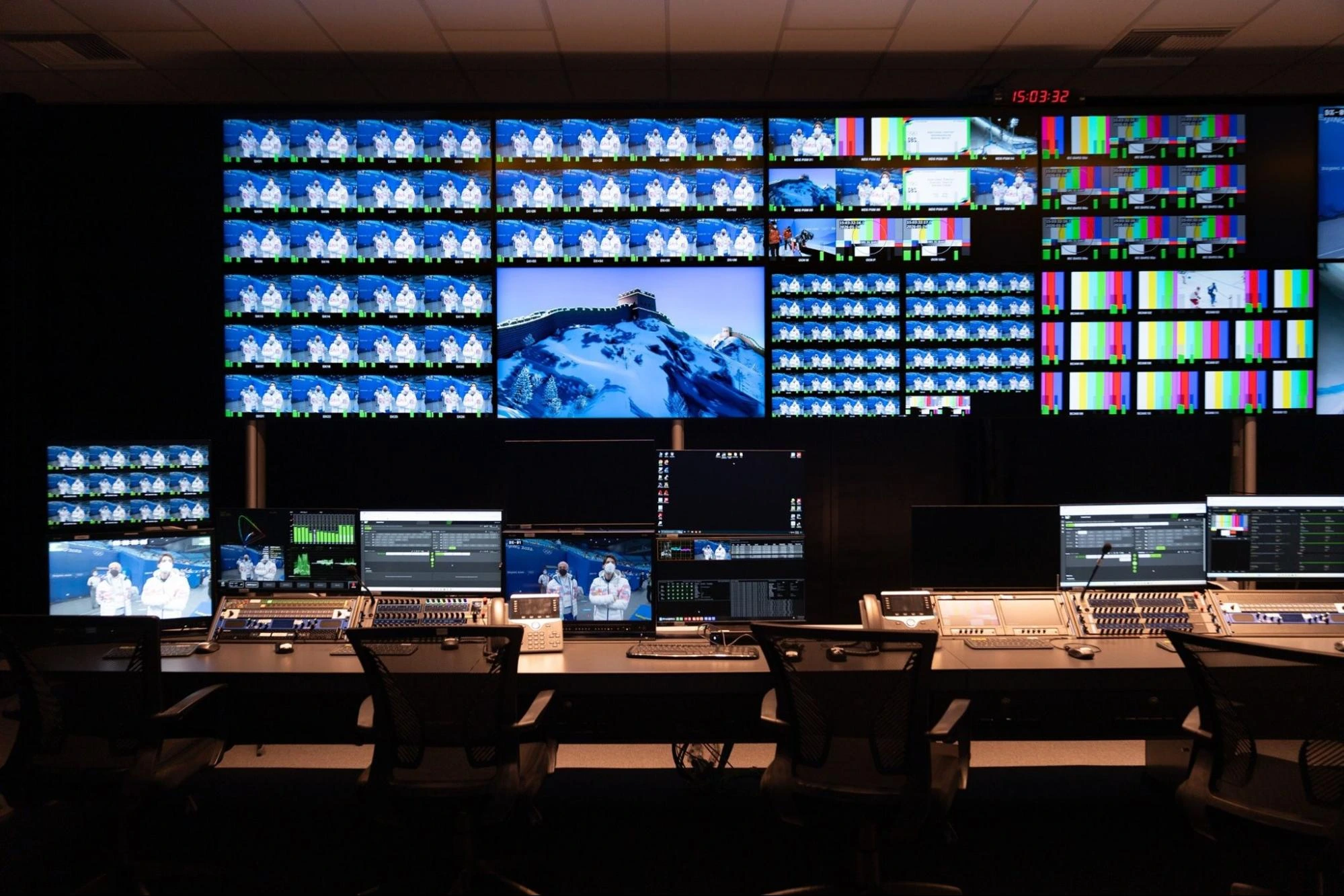
TCL is playing a highly visible role at the Olympic Winter Games Milano Cortina 2026, not through medals or sponsorship signage alone, but through the screens and systems that shape how the world sees the competition. As a Worldwide Olympic Partner, the company has supplied display technology to the International Broadcast Centre, the technical hub that supports global media coverage operated by Olympic Broadcasting Services.
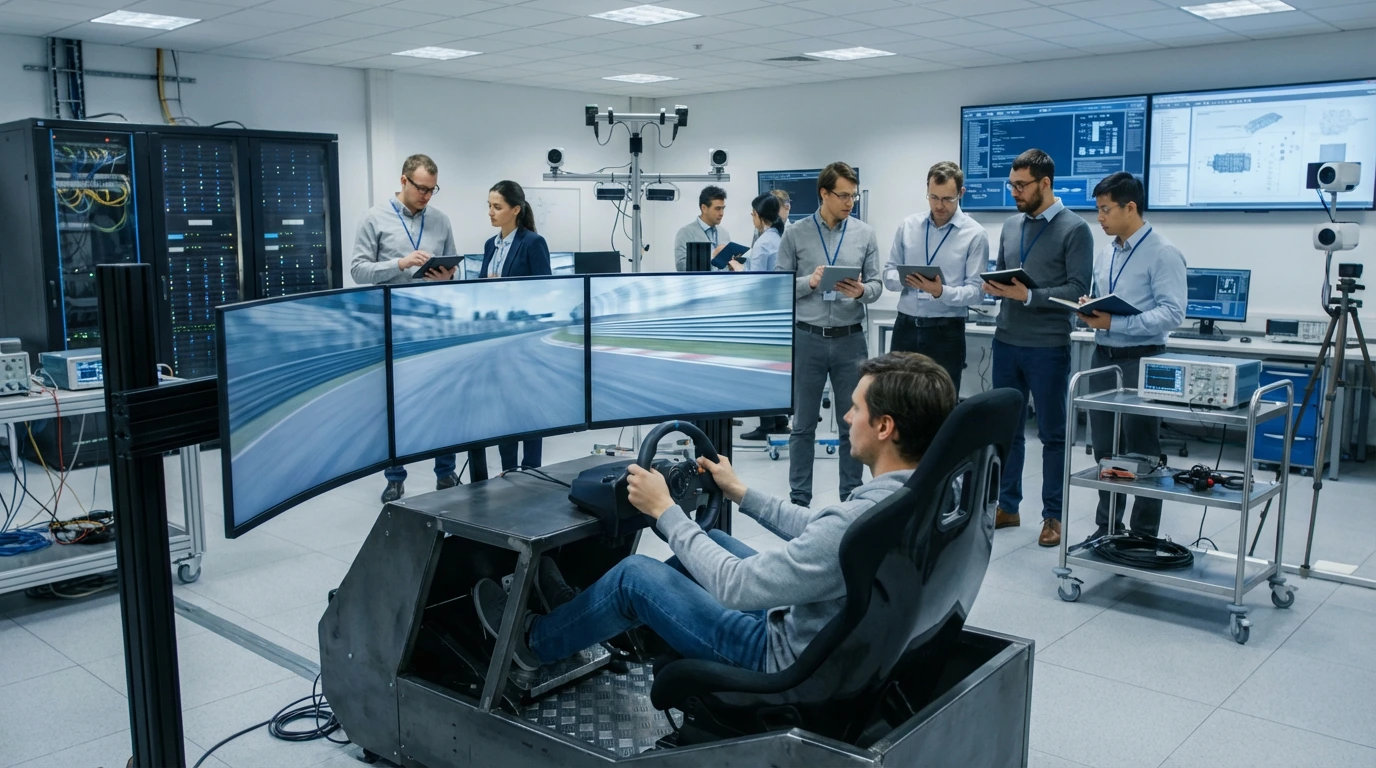
The scale of the operation reflects the modern reality of the Games, where billions of viewers rely on high-resolution feeds and seamless production workflows. TCL has provided television screens, commercial displays and a large LED installation to support media organizations working at the venue. Flagship models, including its X11L SQD-Mini LED TV, are showcased in exhibition areas, underscoring how broadcast infrastructure increasingly doubles as a proving ground for consumer-facing technology.
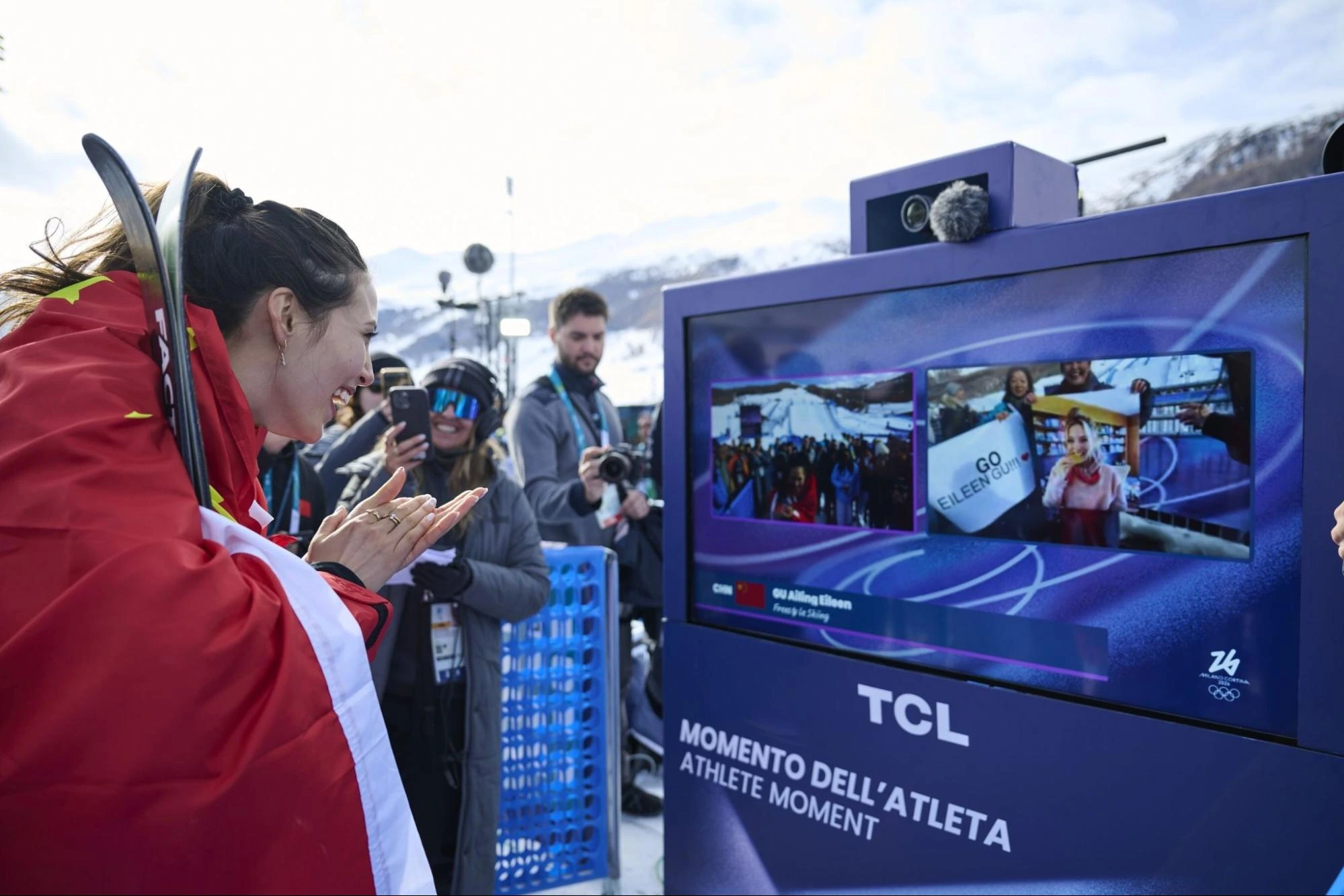
Beyond the broadcast compound, TCL’s displays are also embedded in the emotional fabric of the Games. Fifty-five-inch televisions are being used for the “Athlete Moment,” enabling competitors to see and speak with family members immediately after events. In a competition defined by fractions of a second, those first conversations can carry as much weight as podium ceremonies, and the clarity of the connection becomes part of the experience.
The company’s involvement extends into daily life within the Olympic Villages in Anterselva and Livigno, where smart appliances such as washing machines and dryers support athletes’ routines. In Milan, TCL is also presenting newer technologies, including augmented reality glasses with real-time translation features, hinting at how wearable devices may further blur the line between physical and digital engagement at global events.
For TCL, the Games offer both logistical challenge and global showcase. For audiences, the result is a reminder that the spectacle of the Olympics now depends as much on invisible infrastructure as on visible athletic performance—technology quietly shaping how the world watches, connects and remembers.