A hands-on simulator from dSPACE at CES 2026 offers more than spectacle, illustrating how virtual competition and human–machine interaction are becoming central to validating software-defined vehicles.
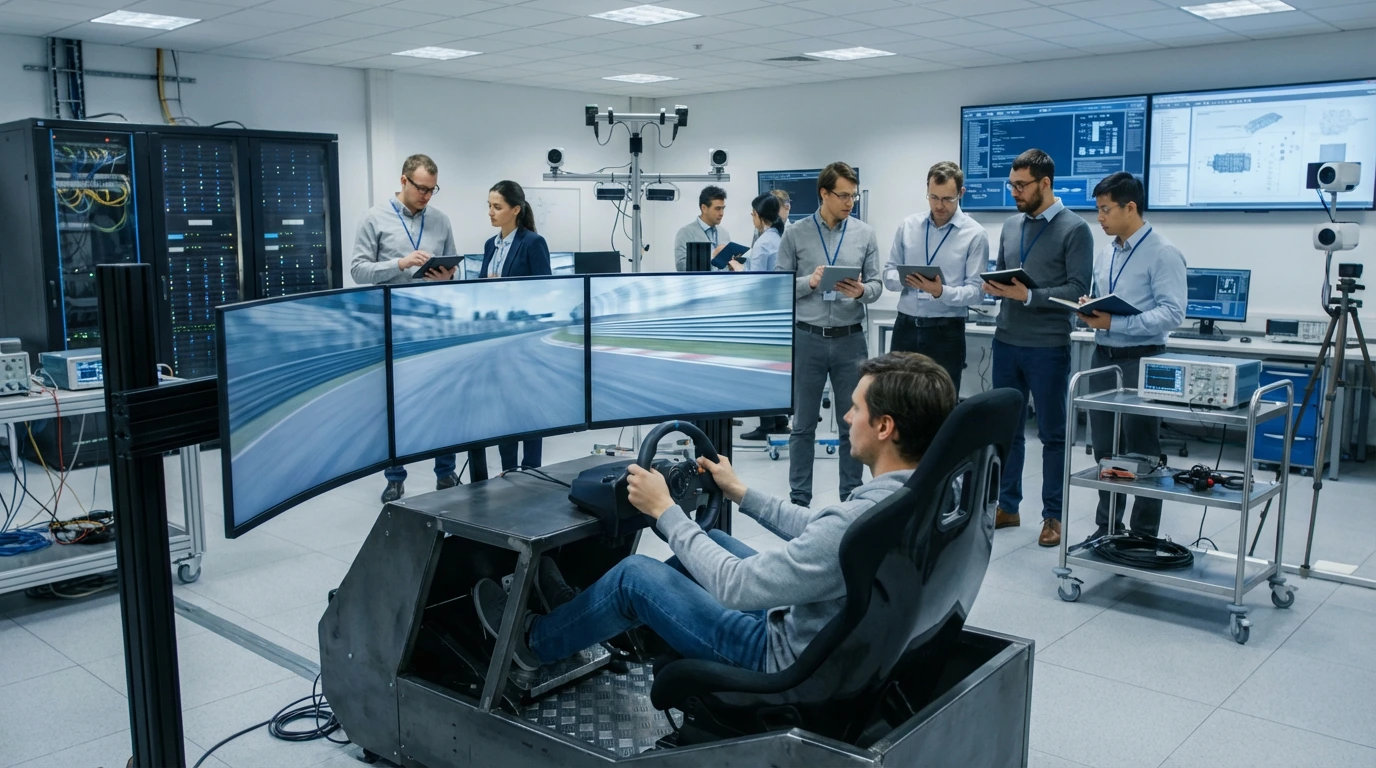
dSPACE is inviting CES visitors to race against artificial intelligence drivers in a virtual simulator, a demonstration that reflects how autonomous vehicle development is increasingly moving into digital environments. The experience, built around algorithms used in the Indy Autonomous Challenge, places human drivers alongside AI on a virtual Indianapolis Motor Speedway. For dSPACE, the point is not entertainment alone, but to show how simulation has become a core tool in testing complex vehicle software.
The demo highlights a growing reality in automotive engineering: much of the most critical testing now happens before a vehicle ever touches asphalt. Autonomous systems must respond not only to road conditions, but also to unpredictable human behavior, making human–machine interaction a key challenge. By recreating competitive racing scenarios virtually, developers can study edge cases and decision-making dynamics that are difficult, expensive, or unsafe to replicate repeatedly in the real world.
The connection to the Indy Autonomous Challenge underscores the role of academic research in pushing these technologies forward. University teams use simulation platforms to refine their driving stacks before deploying them on physical race cars, compressing development cycles and lowering barriers to experimentation. Bringing that same logic to CES turns the exhibition floor into a proxy for the test track, emphasizing validation over spectacle.
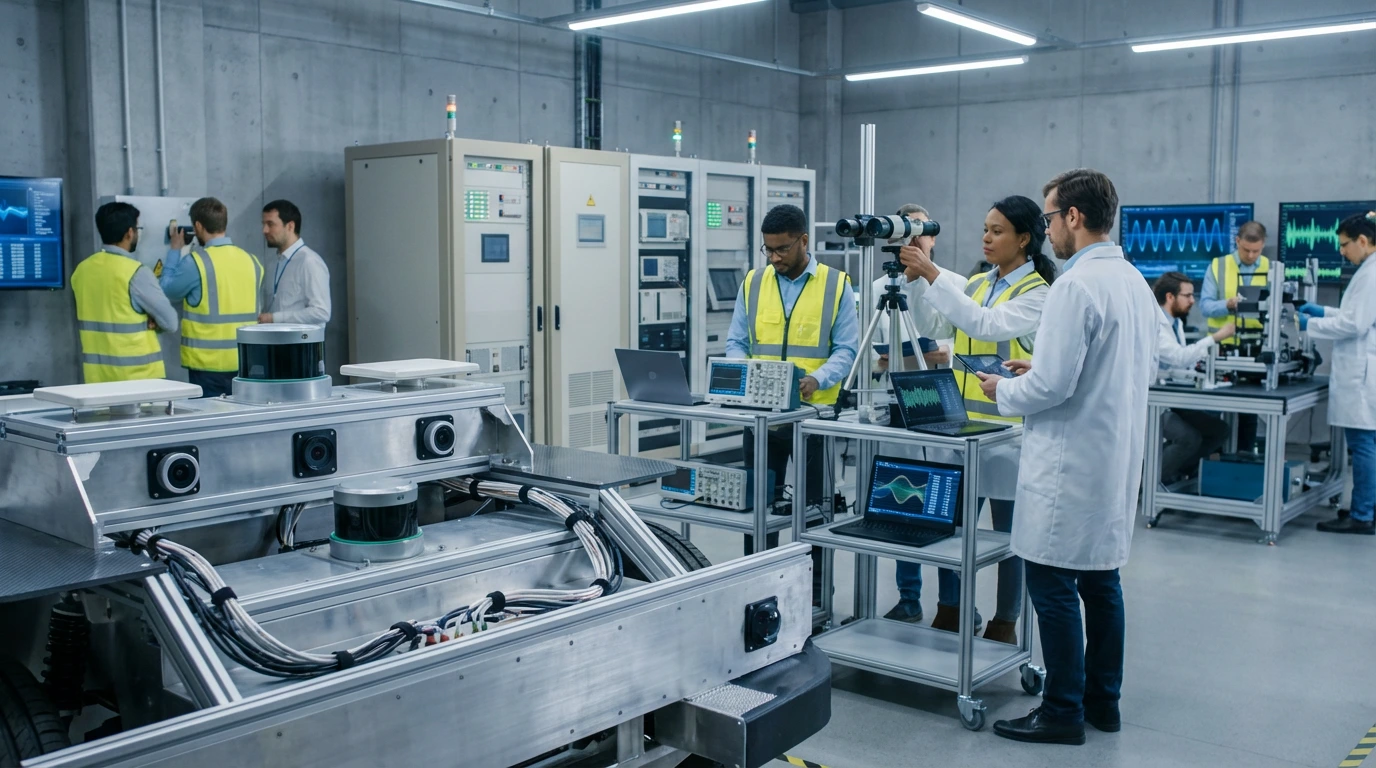
Beyond the simulator, dSPACE is using CES to frame a broader narrative about software-defined vehicles. As cars rely more heavily on code, manufacturers face rising complexity in validating everything from AI perception models to electronic control units and cybersecurity defenses. Tools such as software-in-the-loop and hardware-in-the-loop testing aim to catch failures early, when changes are still manageable rather than embedded in finished products.
The significance of dSPACE’s virtual race lies in what it represents for the industry at large. Autonomous driving progress is no longer measured solely by miles driven on public roads, but by how effectively virtual environments can anticipate real-world behavior. By turning validation into an interactive, competitive experience, the company is highlighting a shift in how trust in autonomous systems is built—through simulation that allows humans and machines to meet, safely, long before they share the road.