At CPMA 2026, Chiquita leans into experiential branding, using food, performance, and interaction to strengthen retailer ties and rethink how legacy produce brands stay relevant in modern markets
Chiquita Brands International is returning to the Canadian Produce Marketing Association’s 2026 convention with a noticeably different approach, one that prioritizes experience over traditional product display. Rather than focusing solely on distribution or quality messaging, the company is using the event to explore how a legacy produce brand can remain culturally visible in an increasingly competitive and attention-driven marketplace.
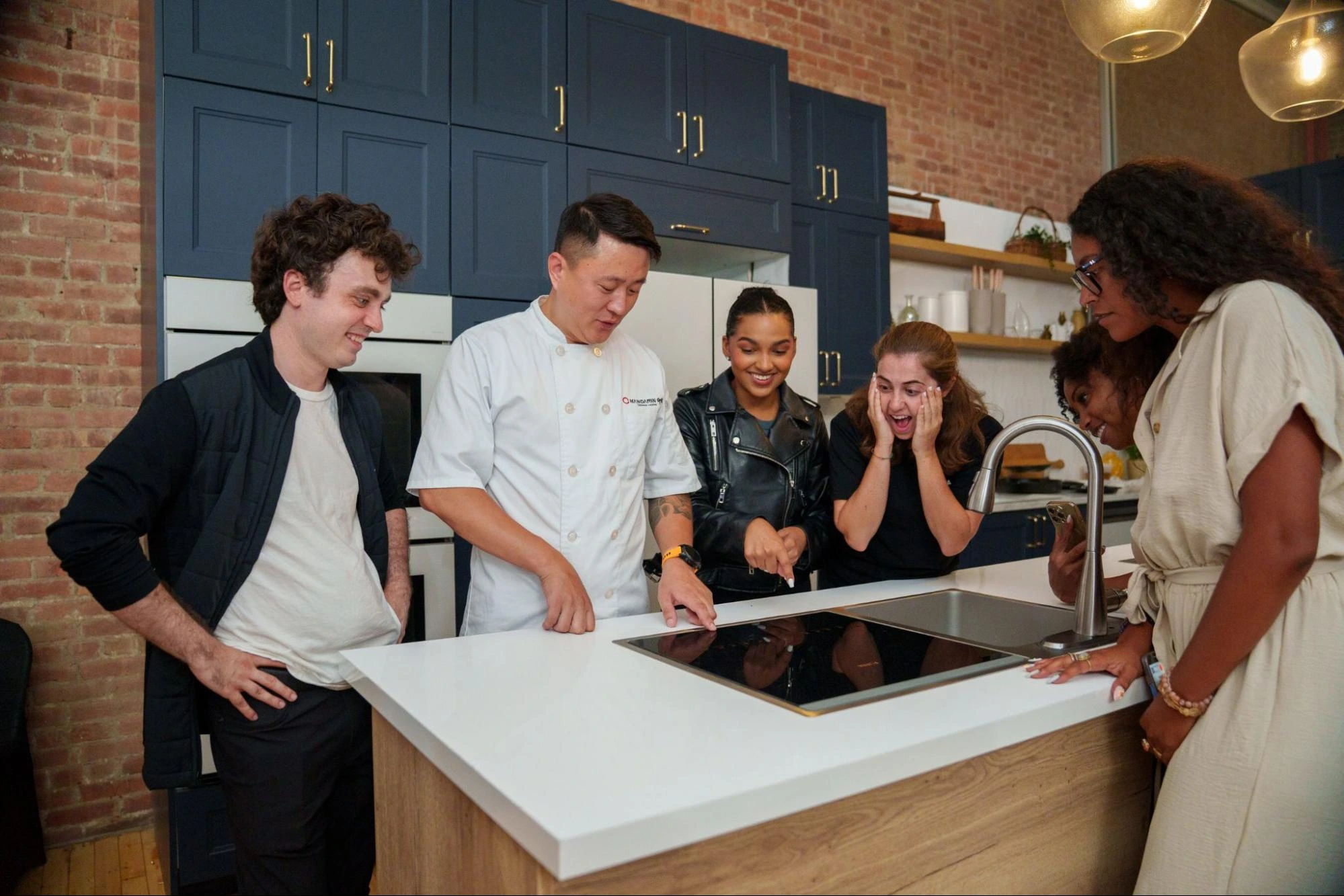
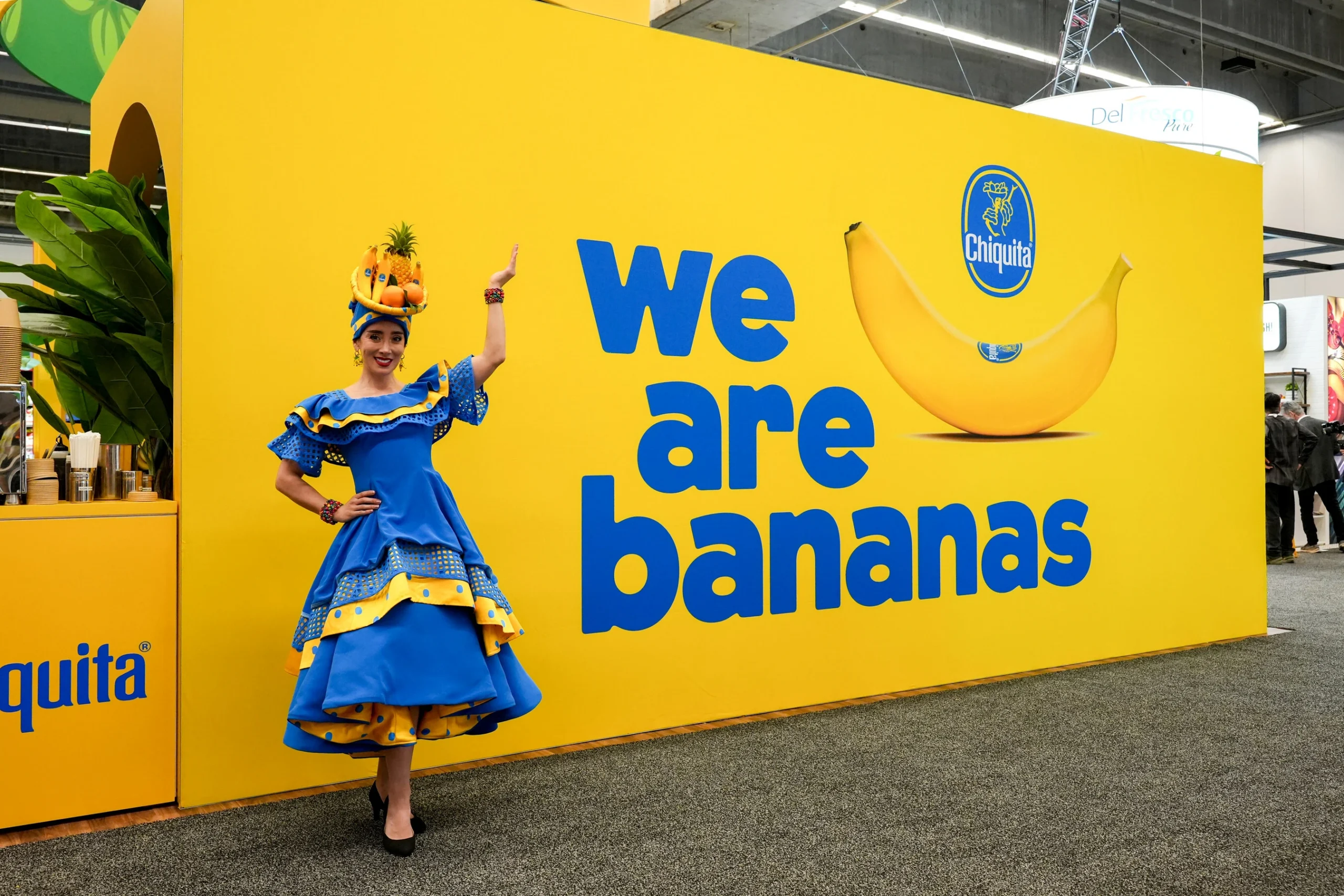
At the center of its presence is a redesigned booth that functions less like a showcase and more like an interactive environment. The inclusion of live culinary demonstrations, including chef-prepared banana dishes and paired beverages, signals an effort to reposition bananas not as a staple commodity but as a flexible ingredient with broader culinary appeal. This reflects a wider industry shift, where even everyday produce is being reframed through storytelling and usage inspiration.
The brand’s use of familiar characters, such as Miss Chiquita and the Banana Man, points to a deliberate blending of nostalgia and entertainment. While such elements might appear purely promotional, they also serve a strategic purpose: creating shareable, memorable moments in a setting where brands compete not just for shelf space, but for attention across social media and digital channels. In this context, trade shows are no longer closed industry events but extensions of broader brand narratives.
Chiquita’s approach also highlights the growing importance of relationship-building within the produce sector. By designing an environment that encourages interaction, the company is signaling that partnerships with retailers are no longer driven solely by supply reliability, but by collaborative marketing opportunities and shared consumer engagement strategies. The emphasis on connection suggests that even established global brands must continuously adapt how they communicate value to their partners.
More broadly, the activation reflects how food marketing is evolving beyond product attributes toward experience and identity. As consumers increasingly respond to brands that offer both utility and emotional resonance, companies like Chiquita appear to be testing how far those principles can extend into traditionally transactional spaces. The outcome may help define how fresh produce is marketed in the years ahead, particularly as competition intensifies across both physical and digital retail environments.