
Inside the chef-led approach turning food tours into cultural experiences across global cities
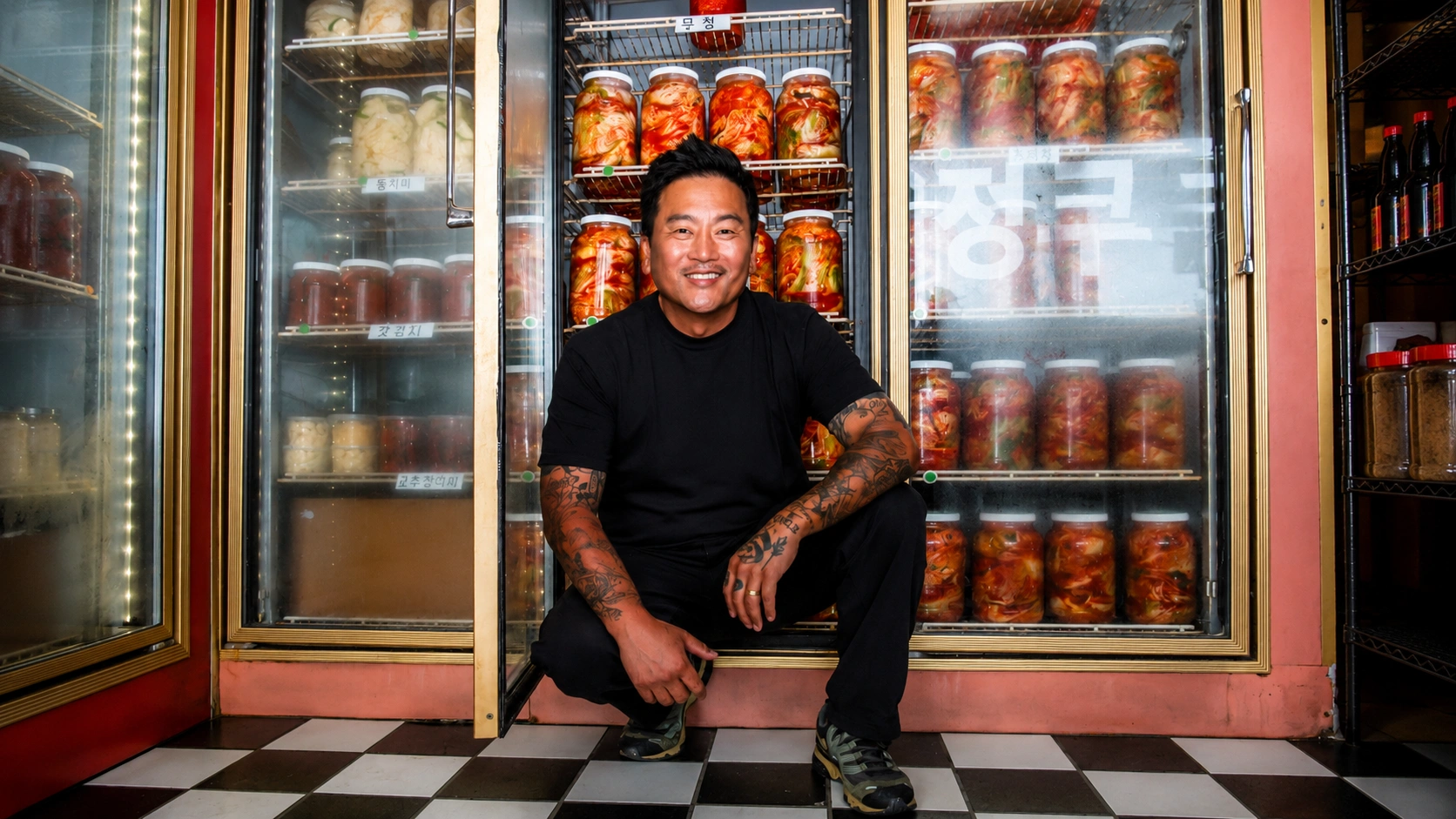
Food tourism has long promised immersion, but too often delivers something closer to a checklist. Large groups, fixed routes, and rehearsed commentary can leave travelers feeling like observers rather than participants. The Chef Tours, founded by Chef Karl Wilder, was built in response to that gap, offering a more intimate, chef-led alternative across cities like Paris, Berlin, Seville, and Mexico City.
What sets the company apart is not just its small-group format, but its philosophy. Each experience is designed and led by chefs who treat the tour less like a product and more like a living expression of a city’s culinary identity. As The Chef Tours expands into new markets and experiments with collaborative formats, it raises a broader question about what travelers actually want from these experiences today.
In this conversation, Wilder reflects on the thinking behind the model, the challenges of scaling authenticity, and why food tours may be evolving into something more personal and participatory.
An Interview with Chef Karl Wilder
The Chef Tours offers a different take on traditional food tours. For those discovering it for the first time, how would you describe the experience and what makes it unique?
Karl: The Chef Tours are designed as curated cultural experiences rather than standard tasting tours. We focus on quality, authenticity, and storytelling instead of quantity or fixed routes.
Each stop is chosen by chefs and industry professionals, so guests are not just eating. They are understanding how a city works through its food, its people, and its hidden spaces. The goal is to make it feel less like a tour and more like being hosted privately, which is why it resonates with travelers looking for something more refined and less tourist-driven.
You’ve intentionally moved away from scripted guides and large groups. What did you feel was missing from traditional food tours that led you to build a chef-led, small-group model?
Karl: What was missing was depth. Most traditional tours are built for scale, which means large groups, scripted experiences, and a focus on logistics over connection.
Food and cities are not static, so a rigid structure limits what the experience can be. By putting chefs and hospitality professionals in charge, we allow the tour to adapt in real time. The small-group format also creates space for conversation and those unscripted moments that people actually remember. At its core, it is about shifting from moving people through a tour to hosting them in a city.
Each tour is described as a “living” experience shaped by chefs and guests. How do you maintain that level of authenticity and flexibility as you expand into more cities globally?
Karl: Each chef is responsible for their own city, which is essential. We do not centralize the experience because that would strip away what makes each place unique.
Instead, we balance local ownership with a shared philosophy. Every chef brings their own network and understanding of the city, while we maintain a consistent focus on quality, small groups, and connection to the local food scene. Because each tour evolves in real time based on both the chef and the guests, no two experiences are the same.
Your model relies heavily on working with local chefs and smaller establishments that often can’t accommodate large groups. How do you build and maintain those relationships across different markets?
Karl: We build each tour over about six months before handing it to a local chef. That time is spent testing every stop, building relationships in person, and making sure everything works for the partners involved.
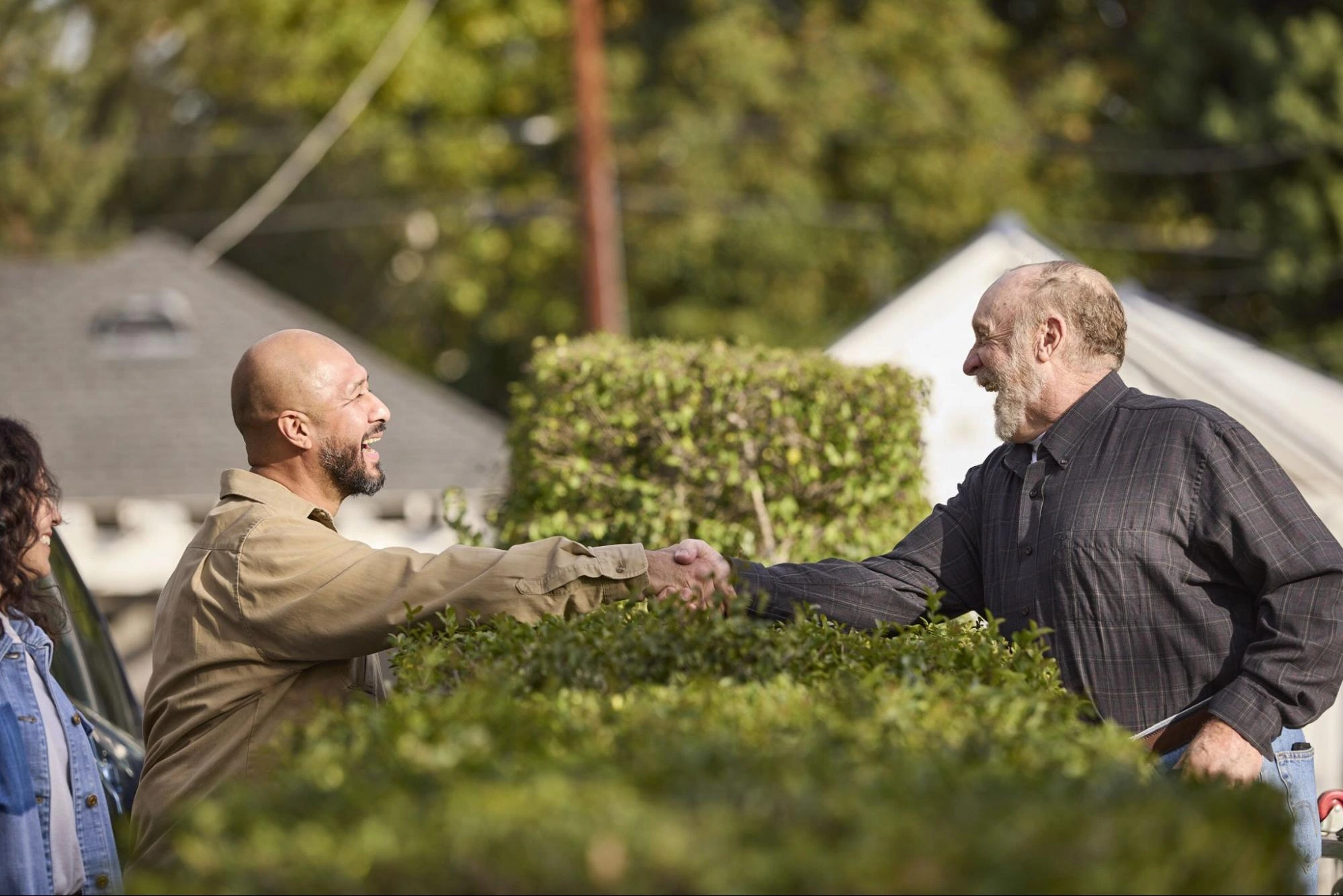
Small establishments are often cautious about tours because large groups can disrupt their operations. Our small-group structure allows us to collaborate with places that would never accept traditional tours. These relationships are not transactional. They are long-term partnerships based on trust, consistency, and respect, and they are a big part of what defines the experience.
With new destinations like Buenos Aires and collaborative tour development on the horizon, how do you see The Chef Tours evolving while staying true to its small-group, chef-driven philosophy?
Karl: The Buenos Aires experience is being developed in real time, with guests participating in shaping the final tour. That keeps the process grounded and allows people to experience the city as it is being explored.
At the same time, the foundation does not change. Small groups, chef leadership, and a focus on quality remain non-negotiable. That consistency allows us to expand without losing what made the concept successful in the first place. It is less about launching finished products and more about creating something that evolves with each city.
Rethinking What It Means to Experience a City Through Food
As culinary travel continues to grow, The Chef Tours points to a shift in what travelers value. The appeal is no longer just access to good food, but access to context, conversation, and a sense of place that feels unscripted.
If that expectation holds, the future of food tourism may look less standardized and more collaborative. Experiences could become smaller, more personal, and shaped as much by the people attending them as by the destinations themselves. In that sense, The Chef Tours is not just scaling a concept, but testing a different way of experiencing cities altogether.