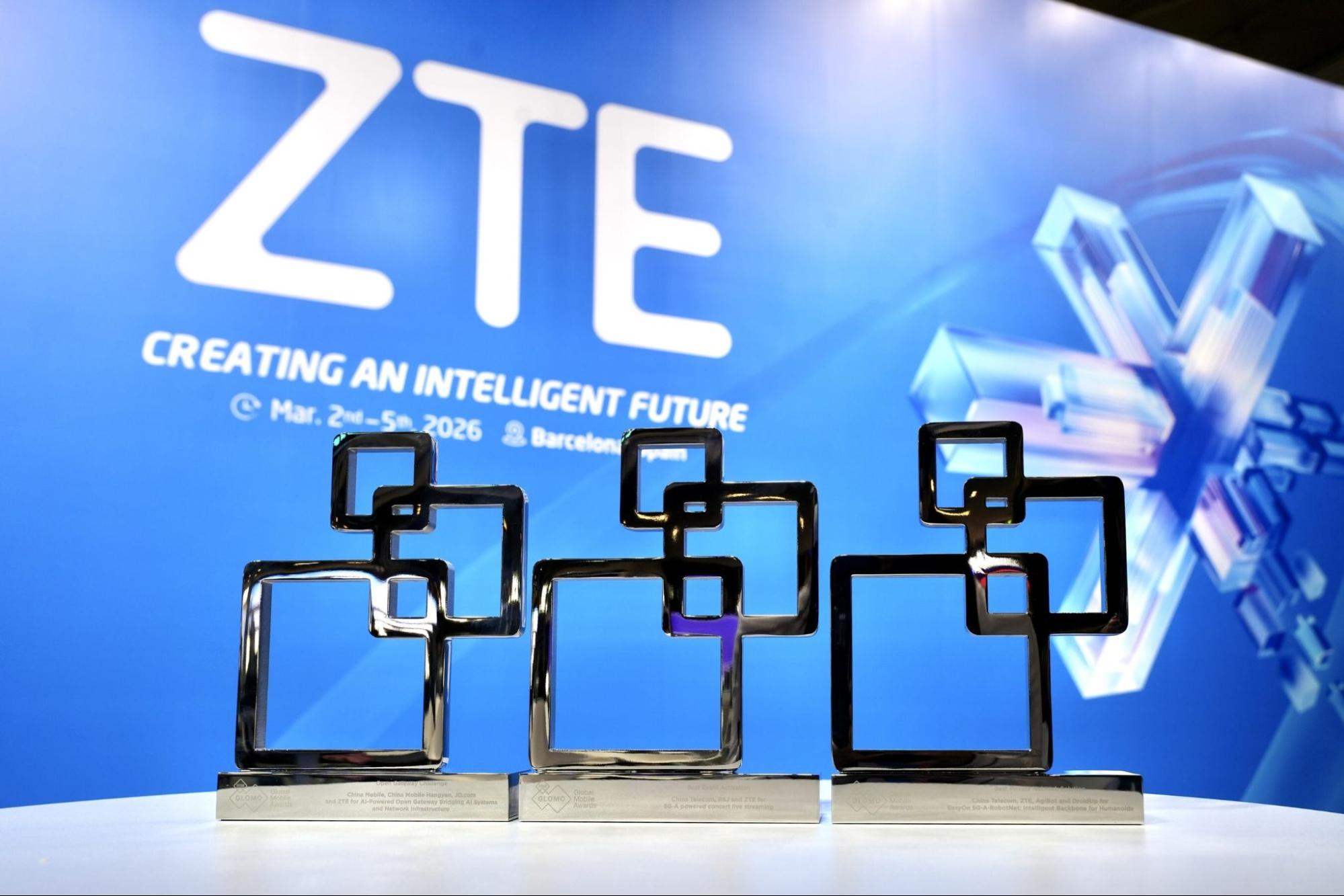
Recognition at Mobile World Congress highlights how ZTE’s work in private networks, AI-driven telecom services, and live event broadcasting reflects the growing role of 5G-Advanced technologies beyond traditional connectivity.
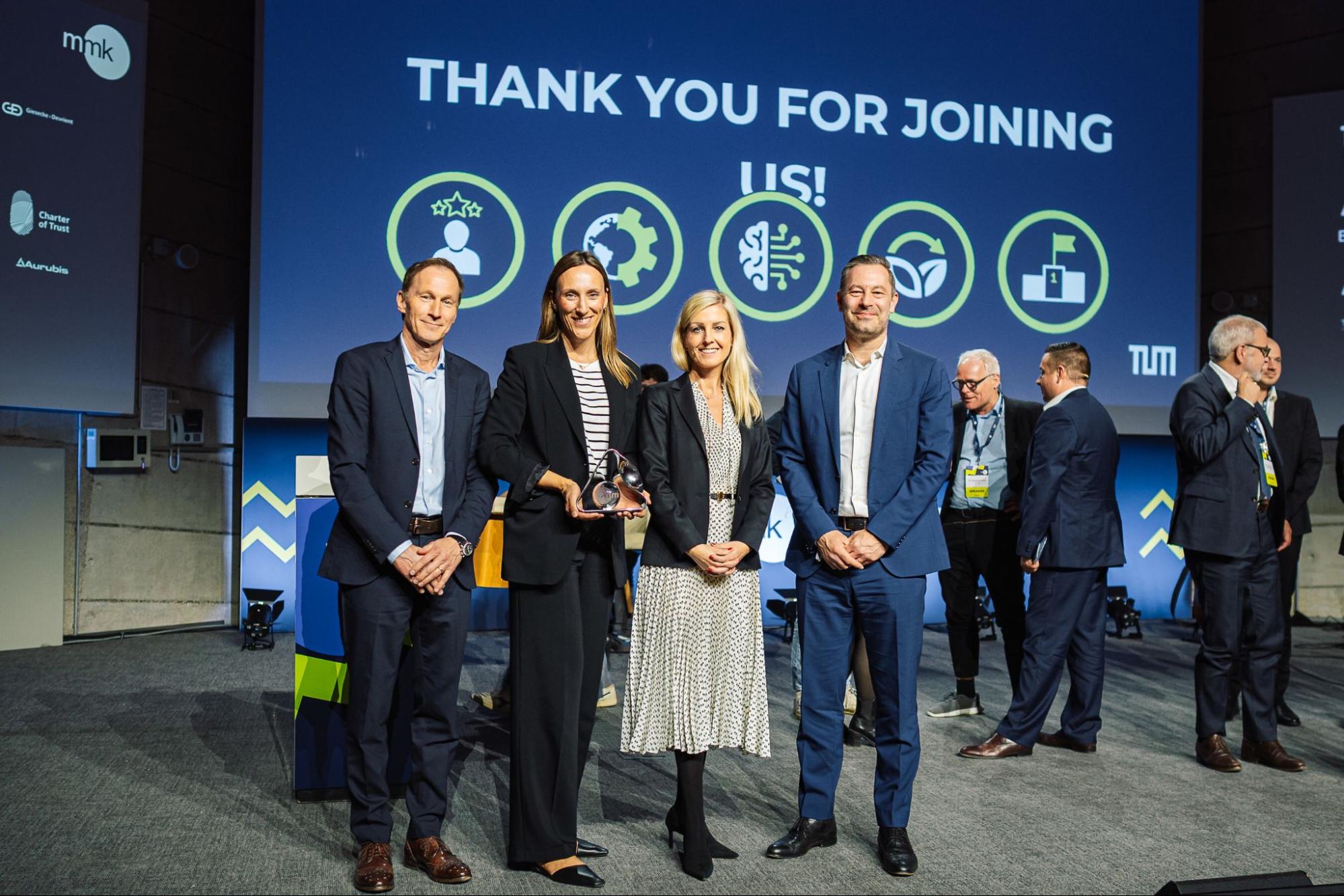
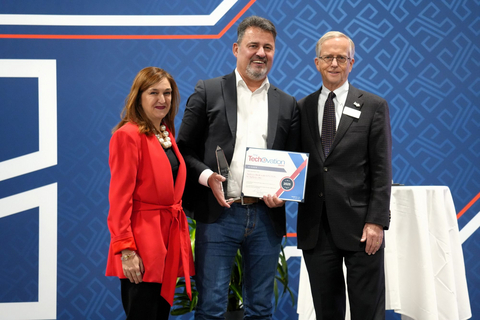
ZTE Corporation received three Global Mobile (GLOMO) Awards at Mobile World Congress 2026, recognition that highlights how telecommunications technology is increasingly moving beyond basic connectivity into specialized industrial and entertainment applications. The awards, presented by the GSMA, acknowledged projects involving private networks, AI-enabled telecom platforms, and large-scale live event streaming.
Industry awards rarely signal a single breakthrough, but they can reveal where momentum is building. In this case, ZTE’s recognition reflects the telecom sector’s broader shift toward 5G-Advanced, often referred to as 5G-A, a next phase of mobile infrastructure designed to support demanding data applications such as robotics, automation, and immersive media.
One award recognized the EasyOn 5G-A-RobotNet system, developed by ZTE with partners including China Telecom and robotics firms AGIBOT and DroidUp. The project focuses on private cellular networks tailored for robotic operations, enabling companies to coordinate multiple machines across a single communication framework while collecting large amounts of real-time operational data.
Another award went to an AI-powered Open Gateway initiative created with China Mobile and JD.com. The project attempts to simplify how companies access telecom network capabilities—such as bandwidth control or messaging services—through standardized interfaces, allowing developers to build services that interact directly with mobile infrastructure.
The third award recognized a project that uses 5G-Advanced networks to support high-definition concert live streaming. Implemented at Hangzhou Olympic Sports Center in China, the system demonstrated how a dedicated wireless network could deliver high-bandwidth video from multiple cameras simultaneously without the complex broadcast equipment traditionally required for large events.
Together, the projects illustrate how telecom infrastructure is increasingly designed for specialized scenarios rather than just general connectivity. Private networks, for example, are gaining attention in manufacturing, logistics, and robotics environments where reliability and low latency are critical.
The GLOMO Awards themselves are judged by a panel of industry experts and are widely regarded as one of the telecommunications sector’s most visible recognitions. For companies like ZTE, such awards offer validation not only of individual technologies but of a broader strategy centered on industry-specific network applications.
As mobile networks continue to evolve, the examples highlighted at this year’s Mobile World Congress suggest that the future of telecom may be defined less by faster smartphones and more by the invisible infrastructure powering factories, entertainment venues, and automated systems.