The launch of X Tower points to a broader shift in surveillance, where AI-driven systems aim to anticipate risks in real time rather than simply record incidents after they occur.
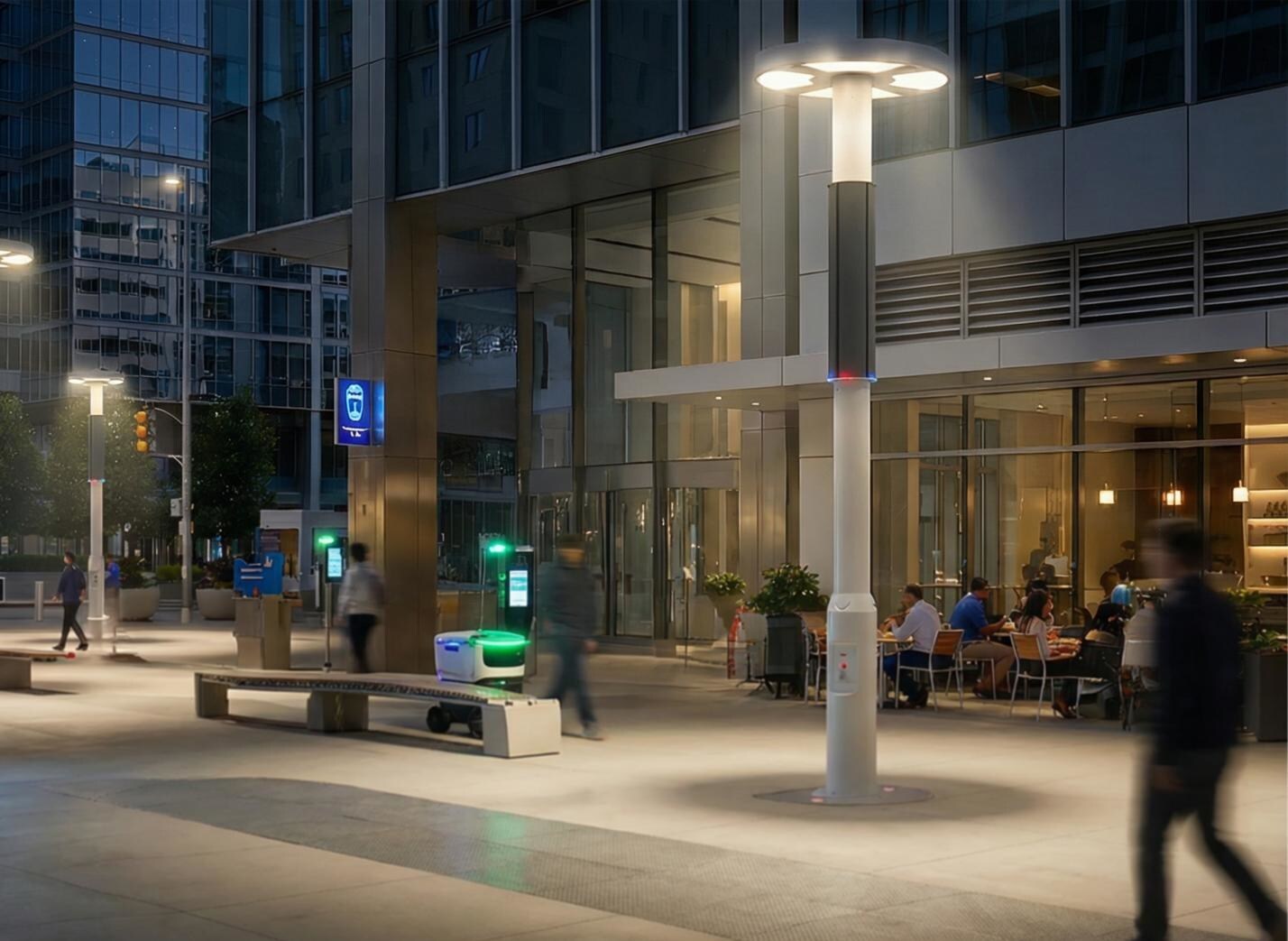
Xthings has introduced X Tower, an autonomous, off-grid security system designed to operate without traditional infrastructure such as wiring or fixed power sources. The system, unveiled at ISC West 2026, reflects a growing push to rethink how public safety is managed in environments where conventional surveillance is difficult to deploy.
Traditional security systems, including cameras and emergency call boxes, are largely reactive, capturing events or relying on manual alerts after something has already happened. X Tower attempts to move beyond that model by combining sensors, artificial intelligence, and automated responses into a single unit that can monitor and assess activity continuously.
At the core of the system is edge-based AI that analyzes behavior in real time and categorizes potential risks, from serious threats like violence to lower-level concerns such as loitering. By processing data locally rather than relying entirely on cloud connectivity, the system is designed to function even in areas with limited network access.
The emphasis on autonomy extends to the hardware itself, with solar power and built-in connectivity enabling deployment in remote or temporary locations. This flexibility suggests a shift toward more modular security infrastructure, where systems can be installed quickly and scaled as needed rather than built into permanent networks.
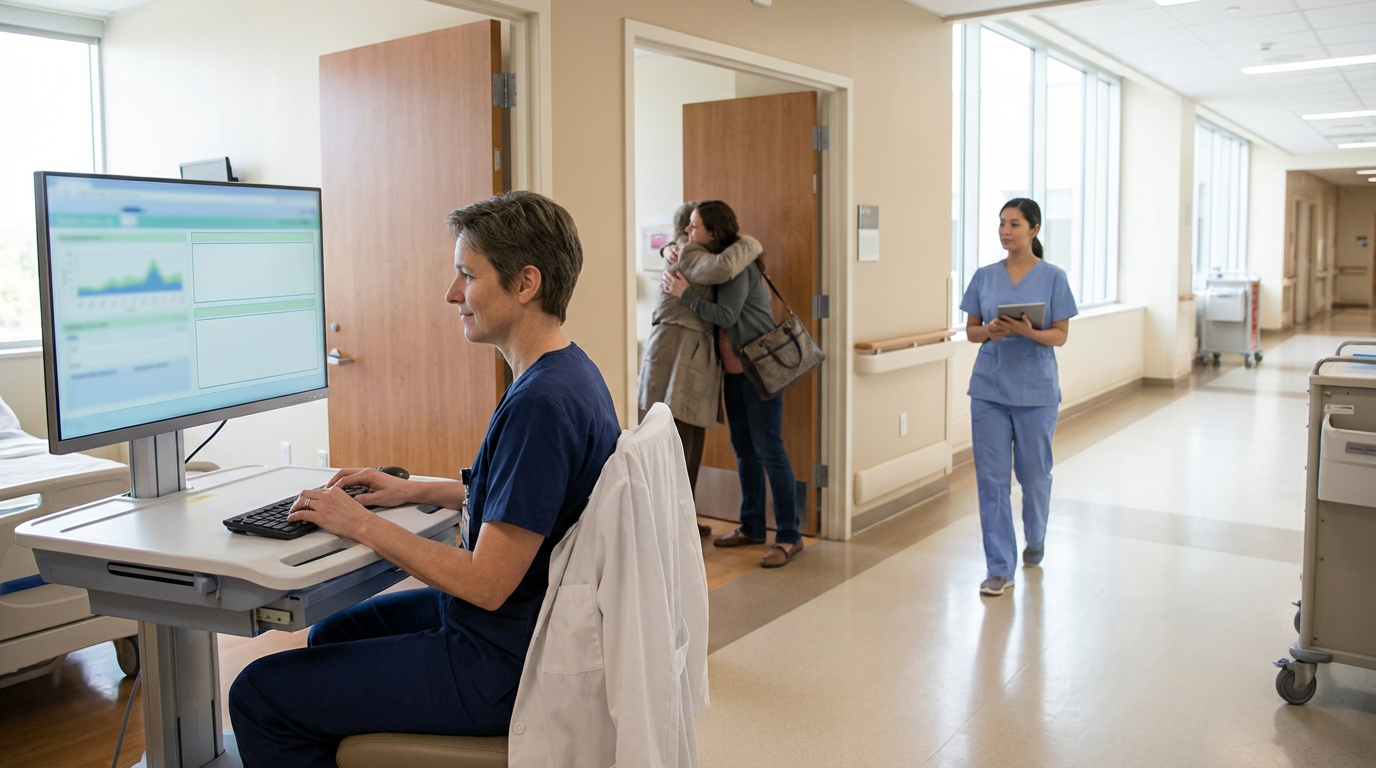
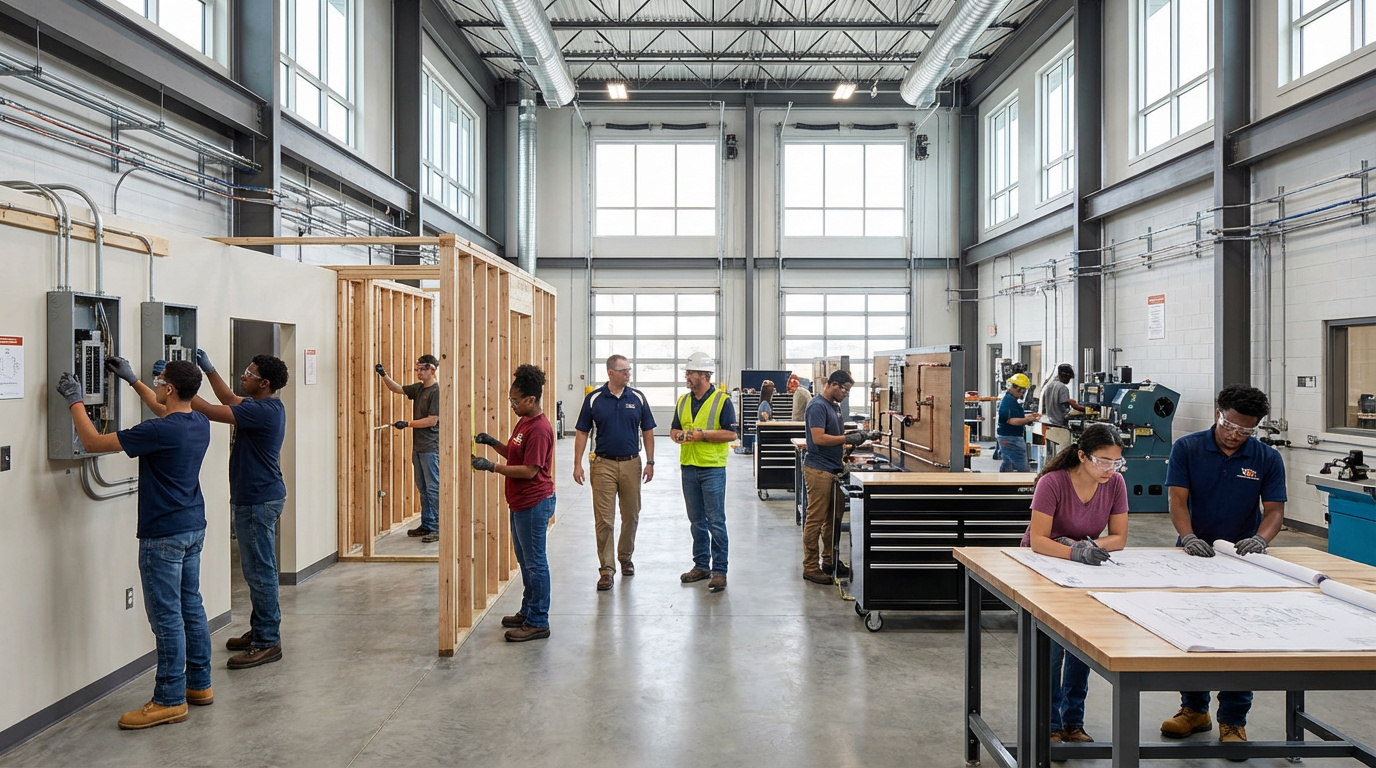
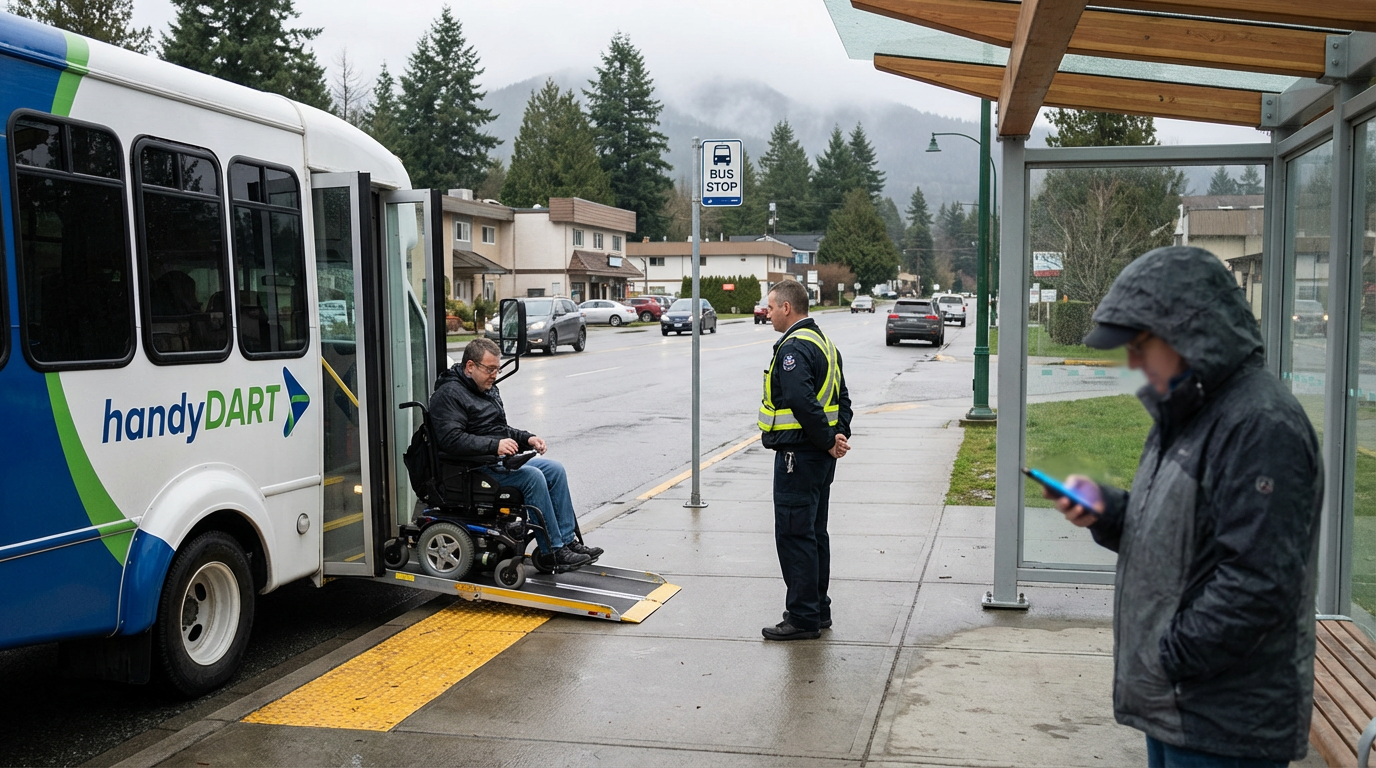
Such capabilities are particularly relevant for spaces like campuses, parks, logistics hubs, and transit areas, where coverage gaps are common. In these settings, the ability to detect and respond to risks in real time could change how security teams allocate resources and manage large, dispersed environments.
At the same time, the expansion of AI-driven monitoring raises questions about privacy, oversight, and how decisions are made at the edge. While local processing can reduce latency and reliance on centralized systems, it also shifts more responsibility to automated judgment.
Xthings’ approach reflects a broader evolution in public safety technology, where the goal is not just visibility but intervention. As cities and organizations explore smarter infrastructure, the challenge will be balancing responsiveness with transparency and trust.
Ultimately, systems like X Tower illustrate how the concept of surveillance is changing. The focus is moving from documenting the past to interpreting the present, with the expectation that technology can help prevent incidents before they fully unfold.