At its first World Governments Summit appearance, XPENG framed autonomous driving, robotics, and “Physical AI” as the next evolution of transportation—one that will depend as much on regulation as technology.
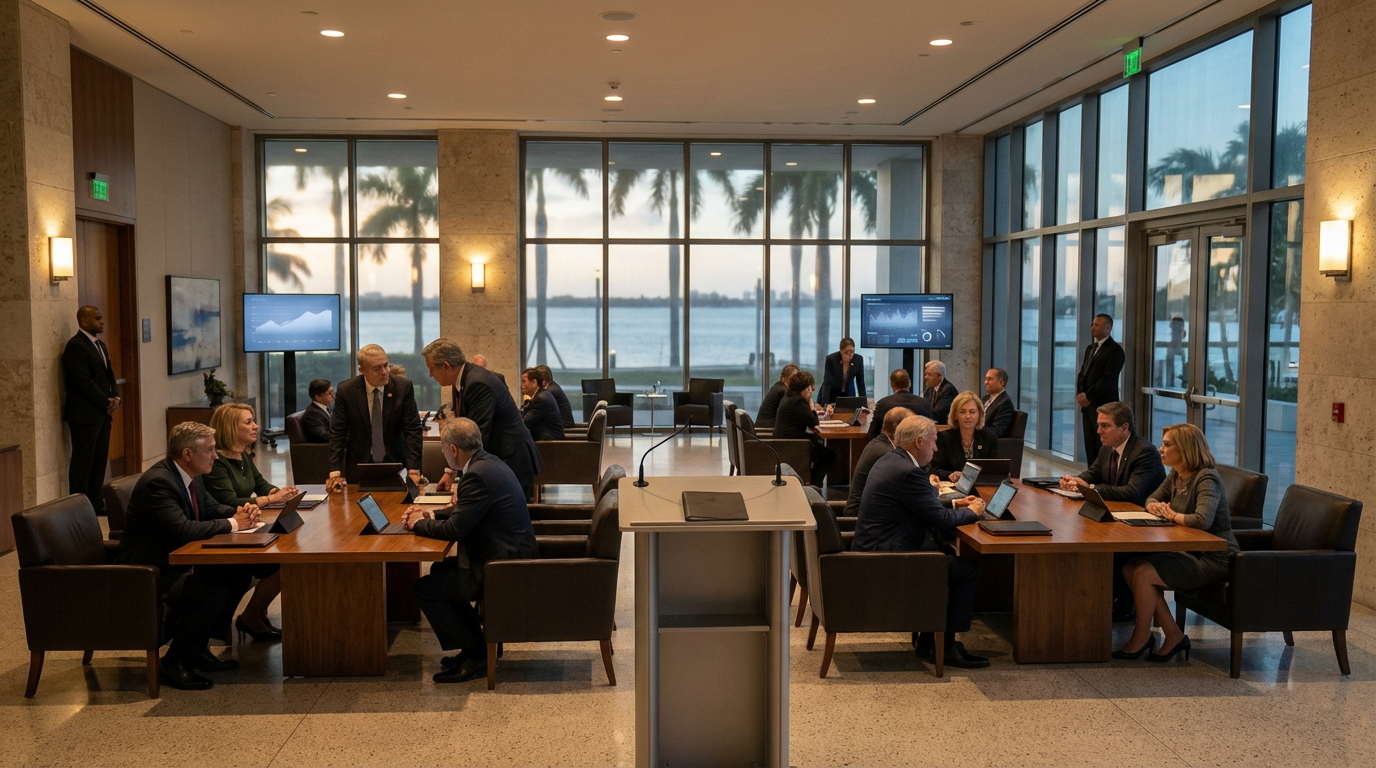
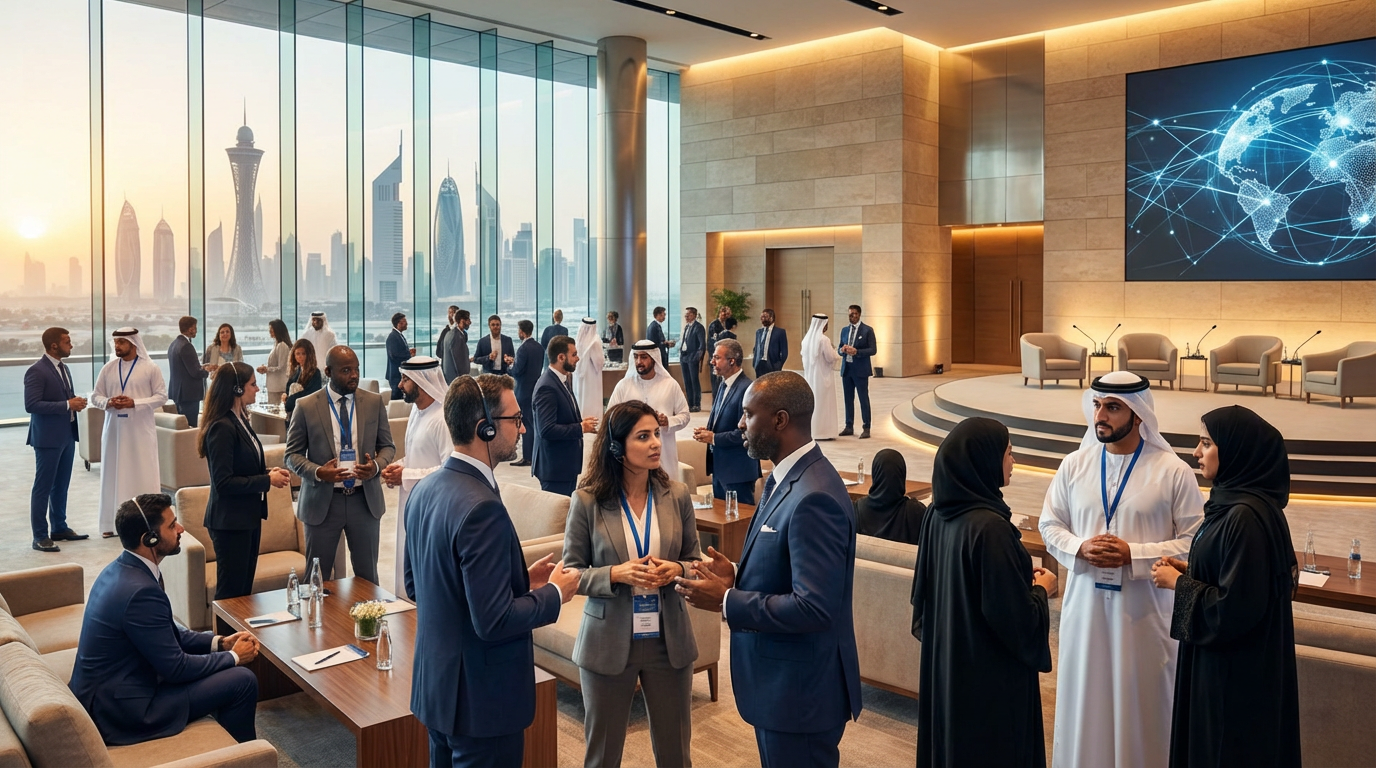
XPENG made its first appearance at the World Governments Summit in Dubai this month, stepping into a forum that increasingly serves as a crossroads between technology ambition and government oversight. The summit, held February 3–5, drew more than 6,000 participants, including heads of state, ministers, and executives from companies spanning aerospace, telecom, and autonomous driving.
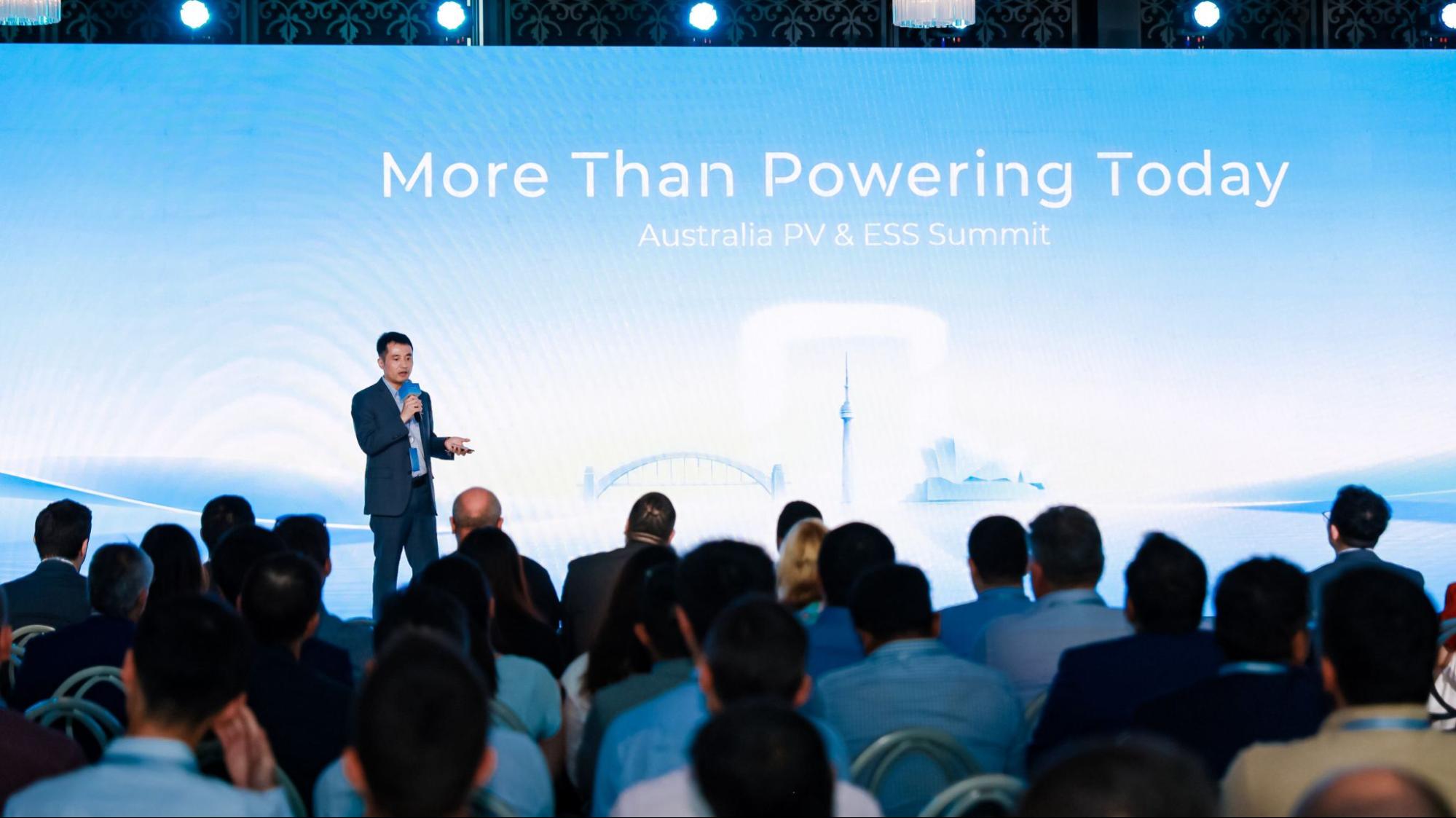
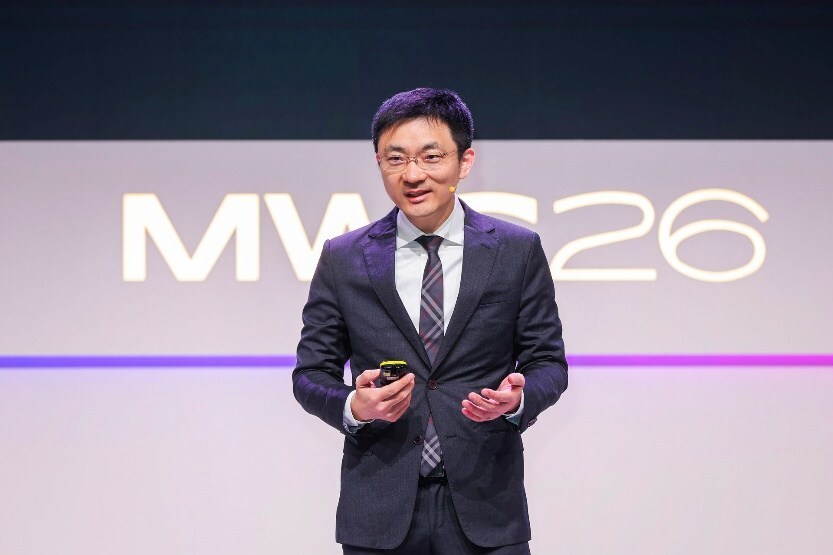
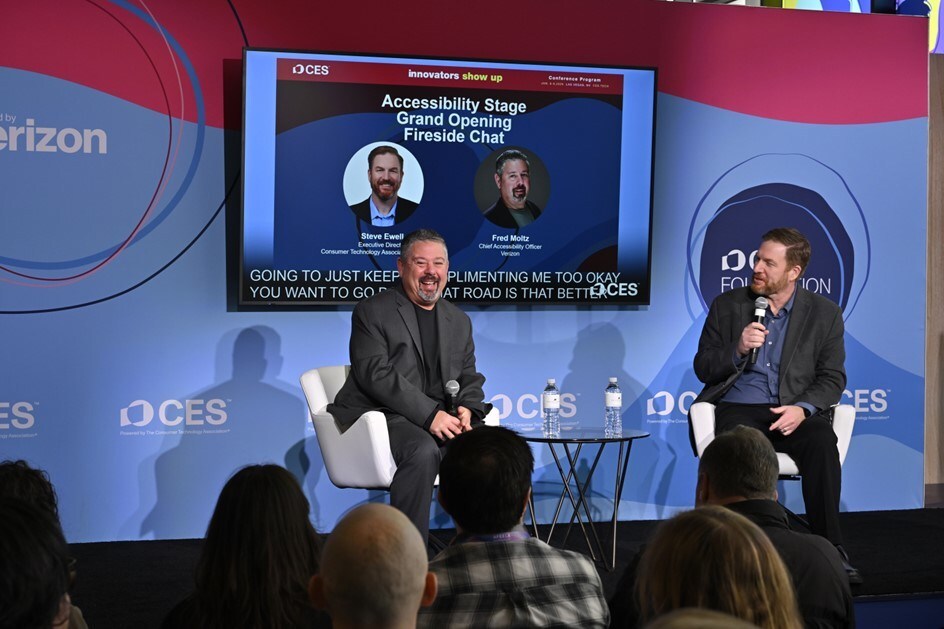
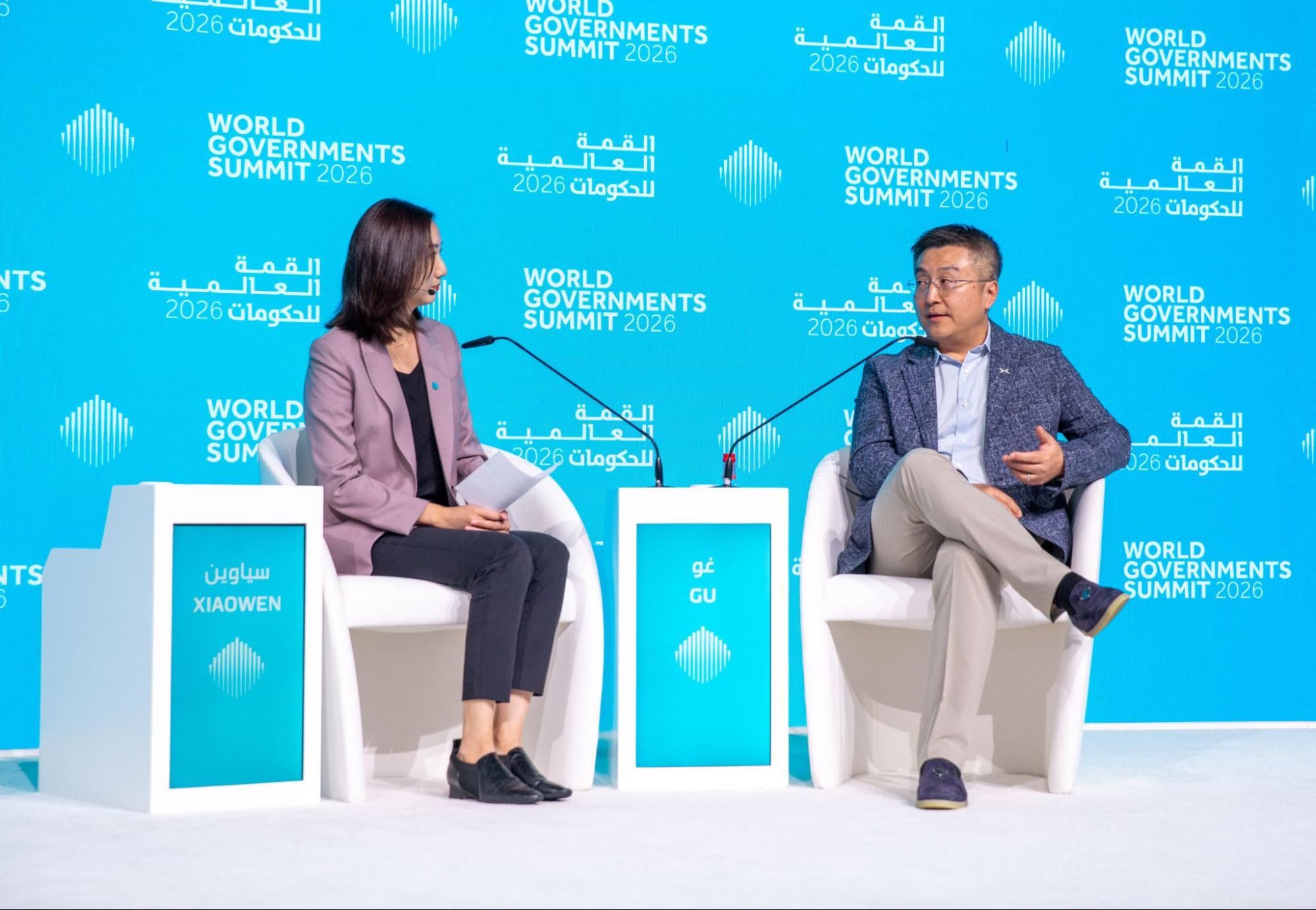
For XPENG, the event was less about showcasing a specific vehicle and more about positioning itself within a broader conversation: how artificial intelligence will reshape mobility over the next decade. The company’s Vice Chairman and President, Dr. Brian Gu, joined a fireside discussion on what the summit called the “Age of Physical AI,” describing a future where transportation systems evolve from passive tools into systems that actively guide users through complex environments.
Gu argued that while electrification has shifted the energy source behind modern vehicles, intelligence will ultimately redefine how people travel. He suggested that autonomous driving and robotaxi services could become routine over the next ten years, contingent on continued AI progress and regulatory frameworks that can keep pace with deployment. The emphasis was notable: even in a technology-focused narrative, policy was framed as a central enabler rather than a barrier.
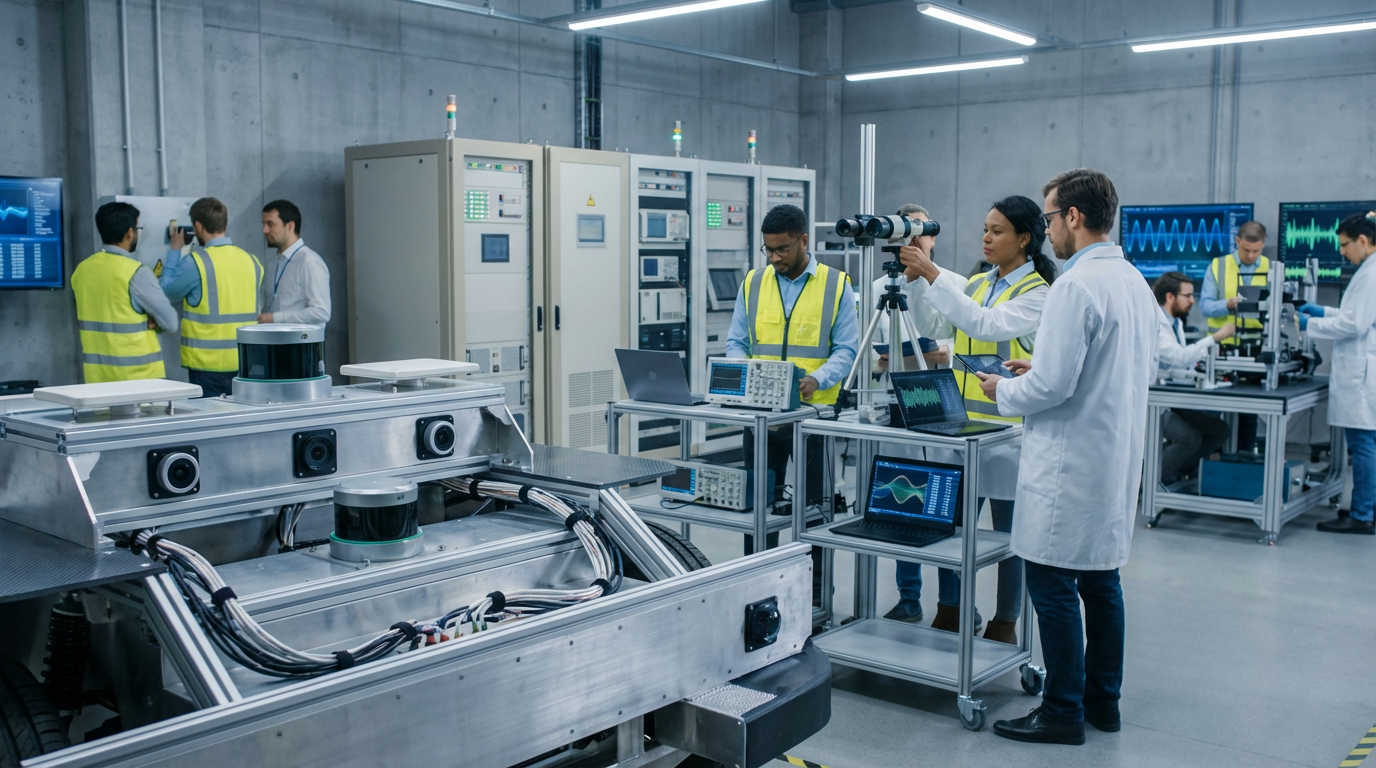
XPENG used the summit to outline its “full-stack AI” strategy, which combines hardware, software, data, and algorithms designed to learn from real-world conditions. In addition to electric vehicles and autonomous driving, the company pointed to flying vehicles and humanoid robots as part of the same long-term ecosystem—an expansive vision that reflects how some mobility firms are attempting to diversify beyond the crowded EV market.
The company also highlighted meetings with global leaders, including Spain’s Prime Minister Pedro Sánchez, where discussions reportedly touched on XPENG’s European growth and potential opportunities in Spain. It held additional conversations with policymakers and industry figures focused on mobility trends in the Middle East and North Africa.
XPENG’s presence at the summit underscores a shifting reality for the mobility sector: technological progress alone is no longer the main story. As autonomous systems move closer to daily life, credibility increasingly depends on how effectively companies engage governments, navigate regulation, and demonstrate that AI-driven transportation can be deployed responsibly at scale.