By focusing on durability, modular tools, and real factory conditions, XGSynBot’s new wheeled humanoid robot reflects a shift in robotics toward practical deployment rather than experimental prototypes.
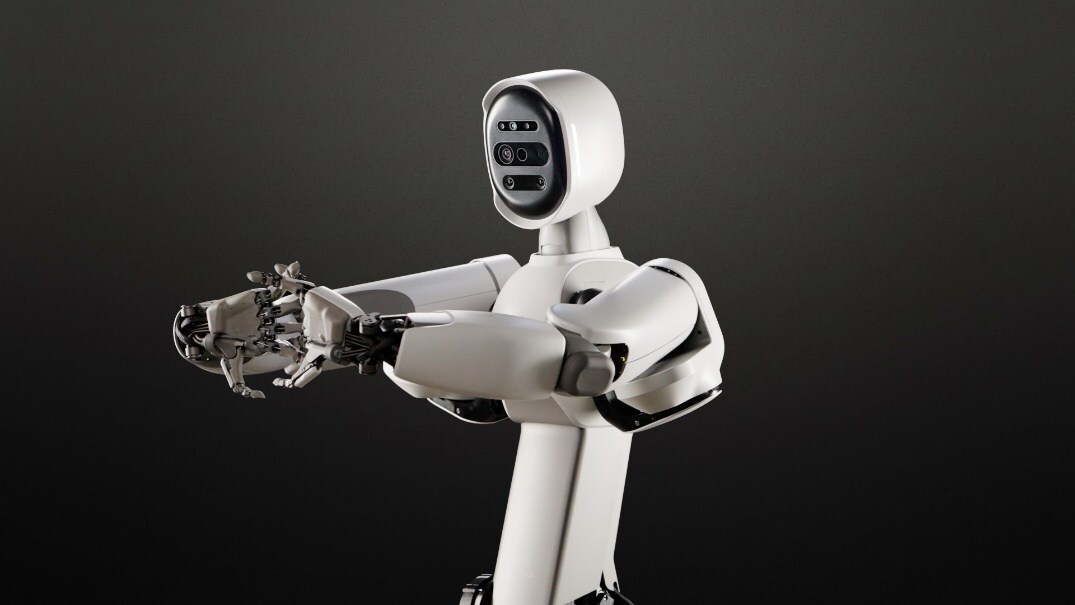
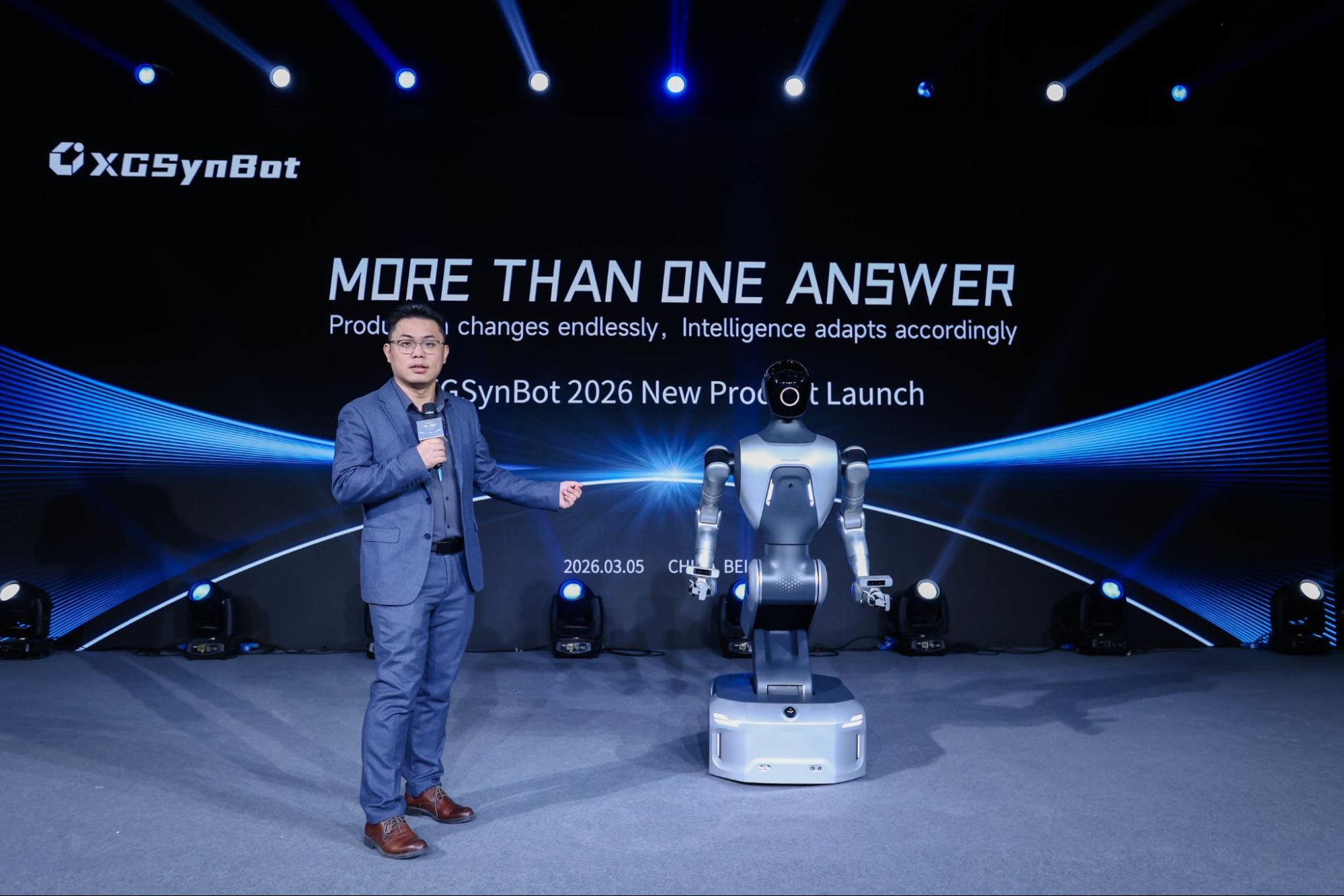
XGSynBot introduced its Z1 wheeled humanoid robot during a dual-city launch event held in Silicon Valley and Beijing, positioning the machine as a step toward practical industrial robotics. The company, which focuses on embodied artificial intelligence, says the system is designed to operate in the demanding conditions of real manufacturing environments rather than laboratory demonstrations.
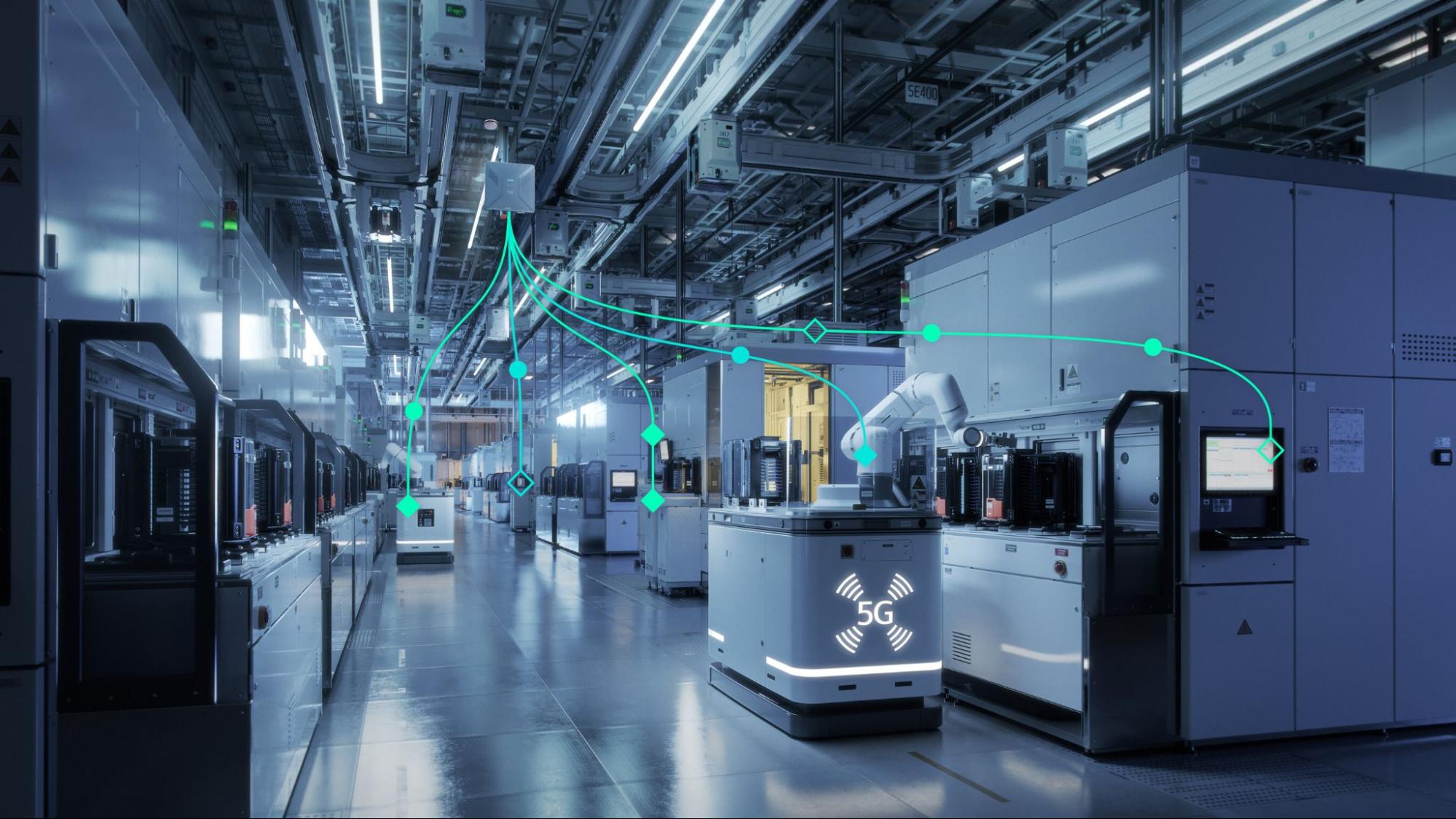
The launch highlights a central challenge in modern automation. While robotics and artificial intelligence have advanced rapidly in recent years, many systems still struggle to function reliably on busy factory floors, where machinery must withstand constant use, exposure to dust or oil, and the need for precise, repetitive tasks.
XGSynBot’s Z1 attempts to address that gap by emphasizing adaptability and durability. One of its defining features is a modular quick-change mechanism that allows the robot to swap tools—such as grippers, welding instruments, or suction devices—in a matter of seconds, enabling a single machine to perform multiple jobs typically handled by specialized equipment.
The robot also relies on integrated joint modules that combine motors, sensors, and mechanical components into compact units. According to the company, this design is intended to improve stability and precision while reducing the latency and signal interference that can occur in more fragmented robotic architectures.
Another aspect of the system is what the company describes as a “dual-system” control structure. One layer of the system focuses on higher-level reasoning tasks such as interpreting instructions, while another manages rapid mechanical responses needed for physical interaction with objects and tools.
Alongside the robot’s debut, XGSynBot announced an initiative called STARFIRE, aimed at building a broader development ecosystem around embodied AI. The program encourages collaboration with manufacturers, academic researchers, and component suppliers to develop real-world applications in sectors such as electronics, automotive production, and renewable energy.
The announcement comes at a moment when interest in embodied AI—systems that combine physical robotics with advanced AI models—has accelerated globally. Technology companies and startups alike are racing to build machines capable of performing complex physical work while responding to dynamic environments.
Yet despite the excitement surrounding humanoid and mobile robots, the industry still faces a difficult transition from demonstration to widespread deployment. Machines that perform well in controlled conditions often encounter obstacles when confronted with the unpredictability of real production environments.
By emphasizing modular design and factory-ready durability, XGSynBot appears to be focusing on that final hurdle. If embodied AI is to move beyond experimental prototypes, the next generation of robots may need to succeed not in laboratories but on the factory floor.