The baijiu producer’s role at a major regional gathering highlights how Chinese consumer brands are leveraging cultural platforms, partnerships, and experiential marketing to expand their international presence
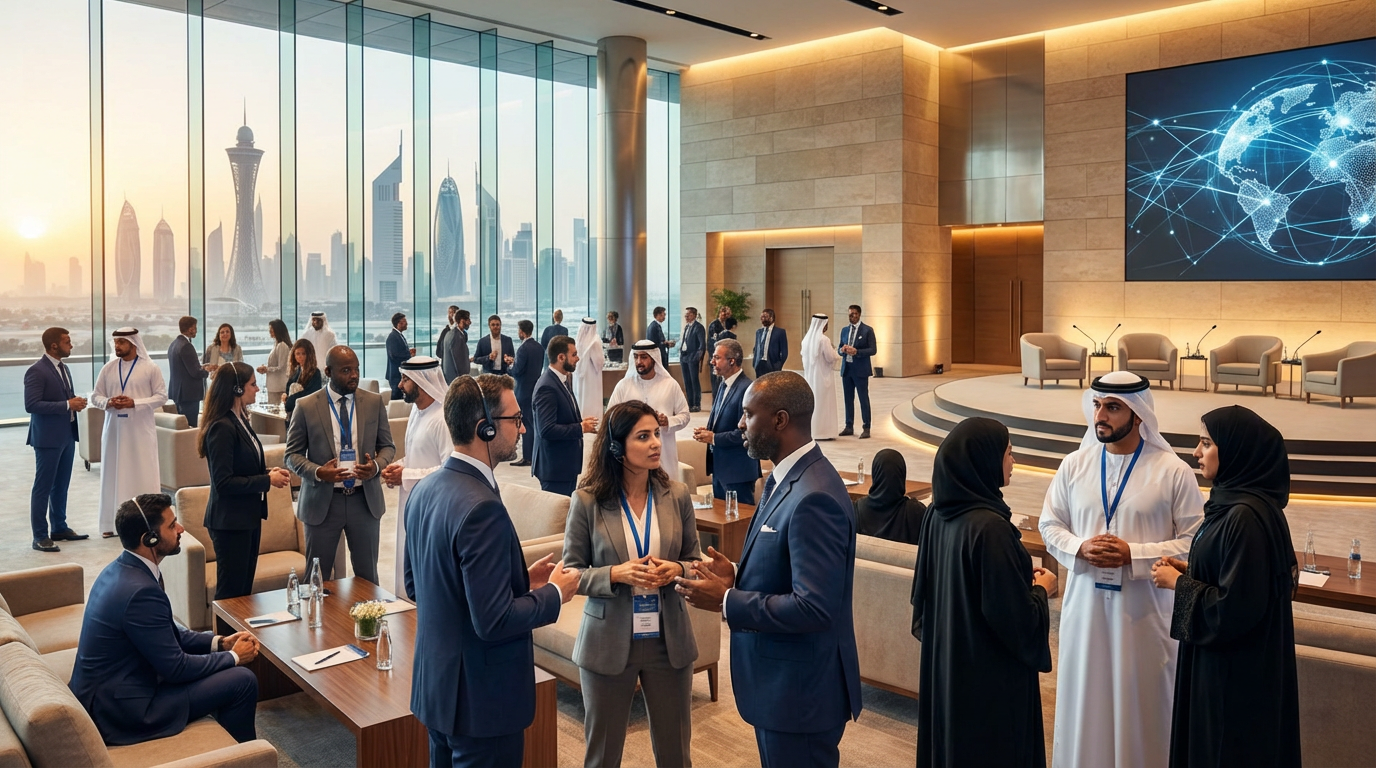
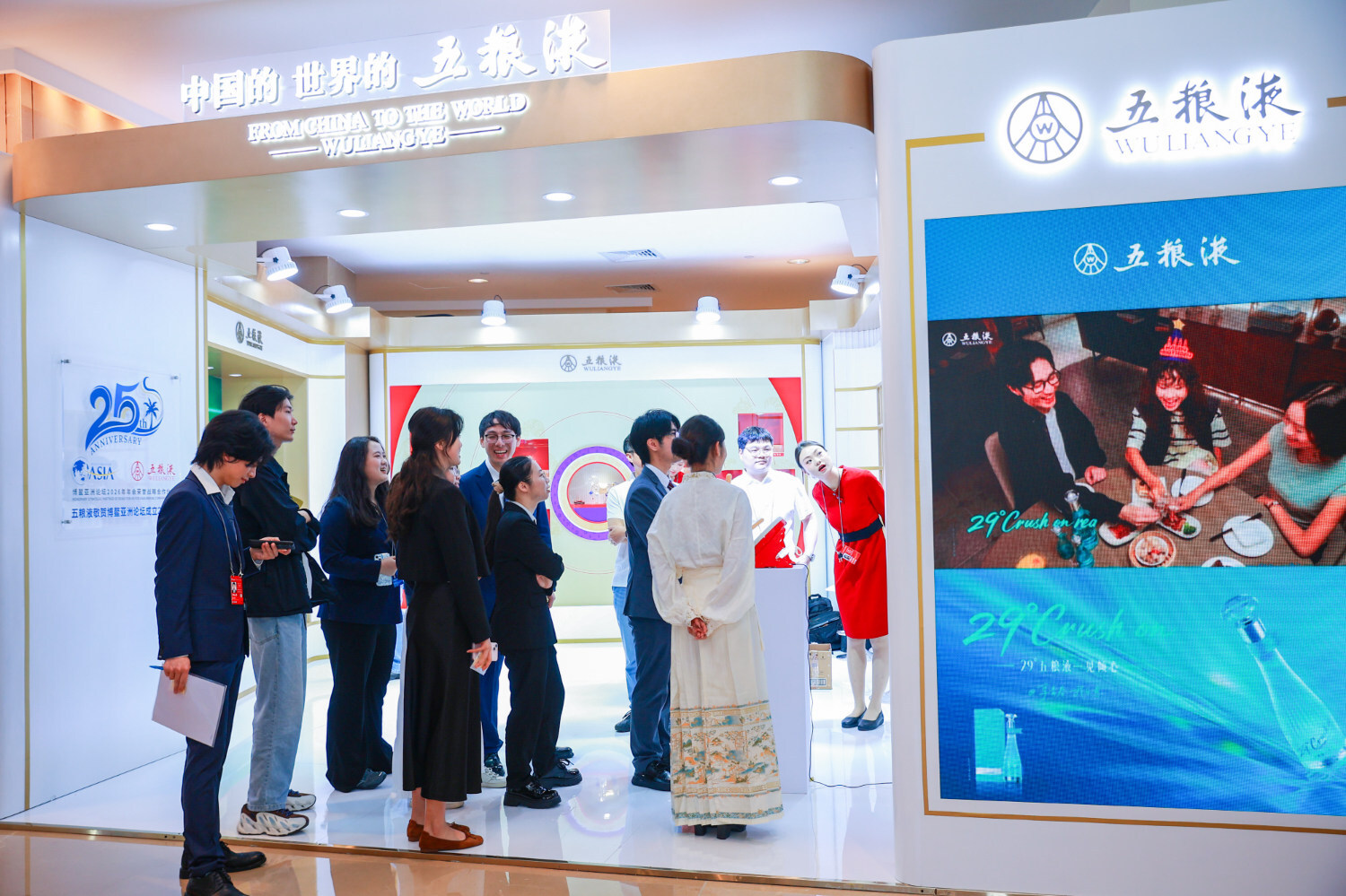
Wuliangye’s presence at the Boao Forum for Asia’s 25th anniversary reflects a broader effort to position Chinese consumer brands on a global stage. As an honorary strategic partner and designated liquor provider, the company aligned itself with one of the region’s most prominent economic gatherings, reinforcing its long-term association with the forum.
The partnership, now in its ninth consecutive year, illustrates how brands are using recurring international events to build recognition beyond domestic markets. At Boao, Wuliangye combined traditional product displays with interactive elements, including themed installations and cocktail experiences, signaling an attempt to present baijiu in formats that resonate with a wider audience. These efforts suggest a shift from purely heritage-driven branding toward more adaptable, experience-led engagement.
Such strategies are part of a larger push to globalize baijiu, a category that has historically remained closely tied to Chinese cultural and social contexts. By introducing lower-alcohol variants, curated cocktails, and experiential spaces, Wuliangye is experimenting with ways to make the spirit more accessible to international consumers. Participation in high-profile forums also places the brand within conversations about trade, culture, and cross-border collaboration.
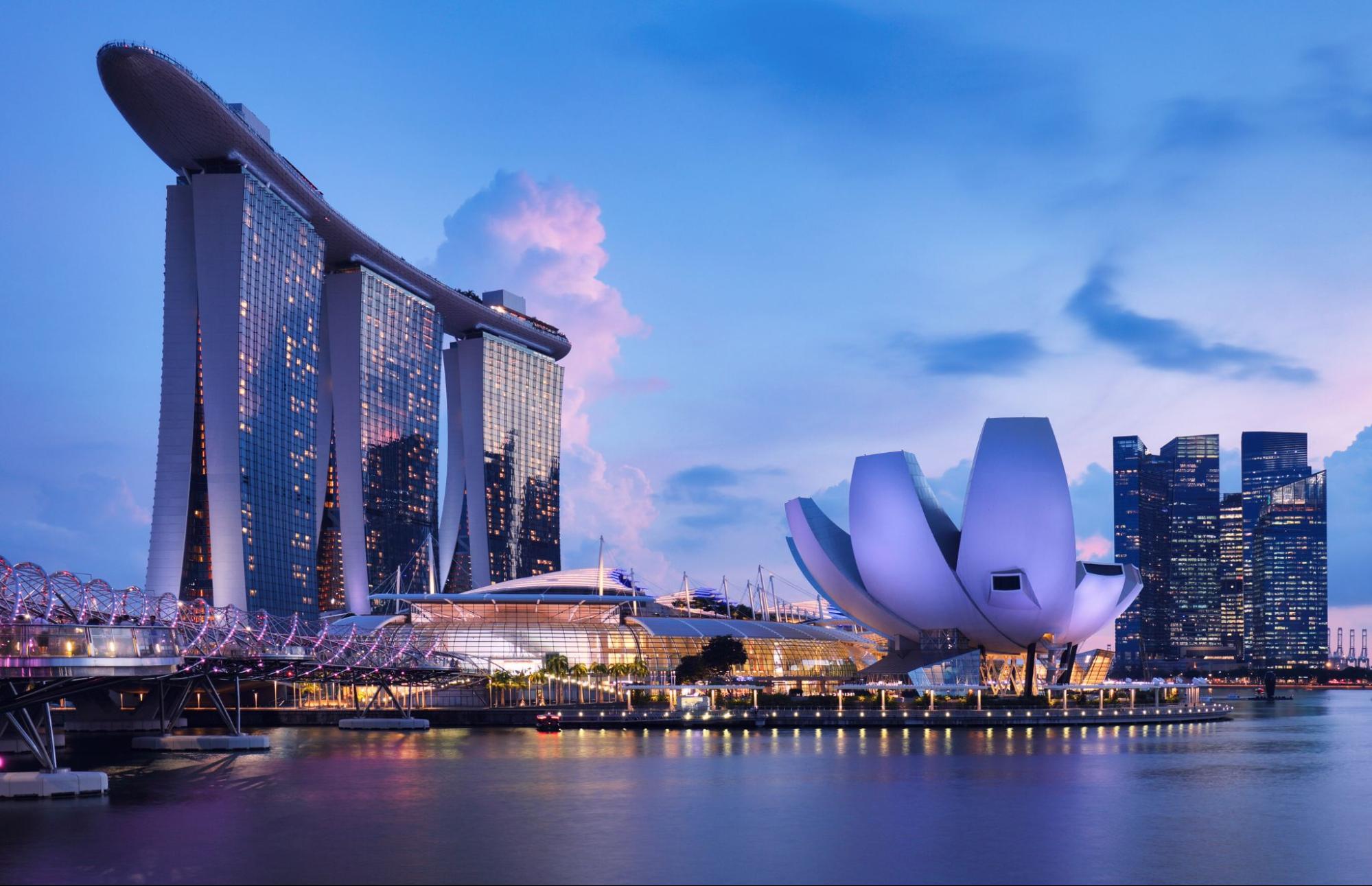
Beyond the event itself, Wuliangye’s broader international footprint continues to expand through marketing centers and branded dining locations in cities such as Tokyo and Singapore. These initiatives reflect a multi-layered approach that blends distribution, cultural integration, and localized experiences, rather than relying solely on exports. The company’s “Harmony Global Tour,” spanning multiple regions, further underscores this outward-facing strategy.
While it remains uncertain how quickly baijiu can gain widespread acceptance outside China, Wuliangye’s approach highlights the evolving playbook for global brand building. Cultural positioning, experiential marketing, and sustained partnerships are increasingly central to that effort, particularly for products deeply rooted in local tradition.