The robotics startup’s selection for a new international program backed by AWS, NVIDIA, and MassRobotics highlights growing momentum behind “physical AI,” where machine learning meets real-world robotic movement.
WIRobotics has been selected to participate in the second cohort of the Physical AI Fellowship, an international program designed to support emerging robotics companies developing intelligent machines capable of operating in the physical world. The initiative is backed by Amazon Web Services, NVIDIA, and MassRobotics and aims to help startups move experimental systems closer to practical deployment.
The fellowship brings together a small group of companies working across industries including logistics, construction, agriculture, and industrial automation. In this year’s cohort, WIRobotics stands out as the only participant focused primarily on humanoid robotics, a field that has gained renewed attention as advances in artificial intelligence make complex robotic movement increasingly feasible.
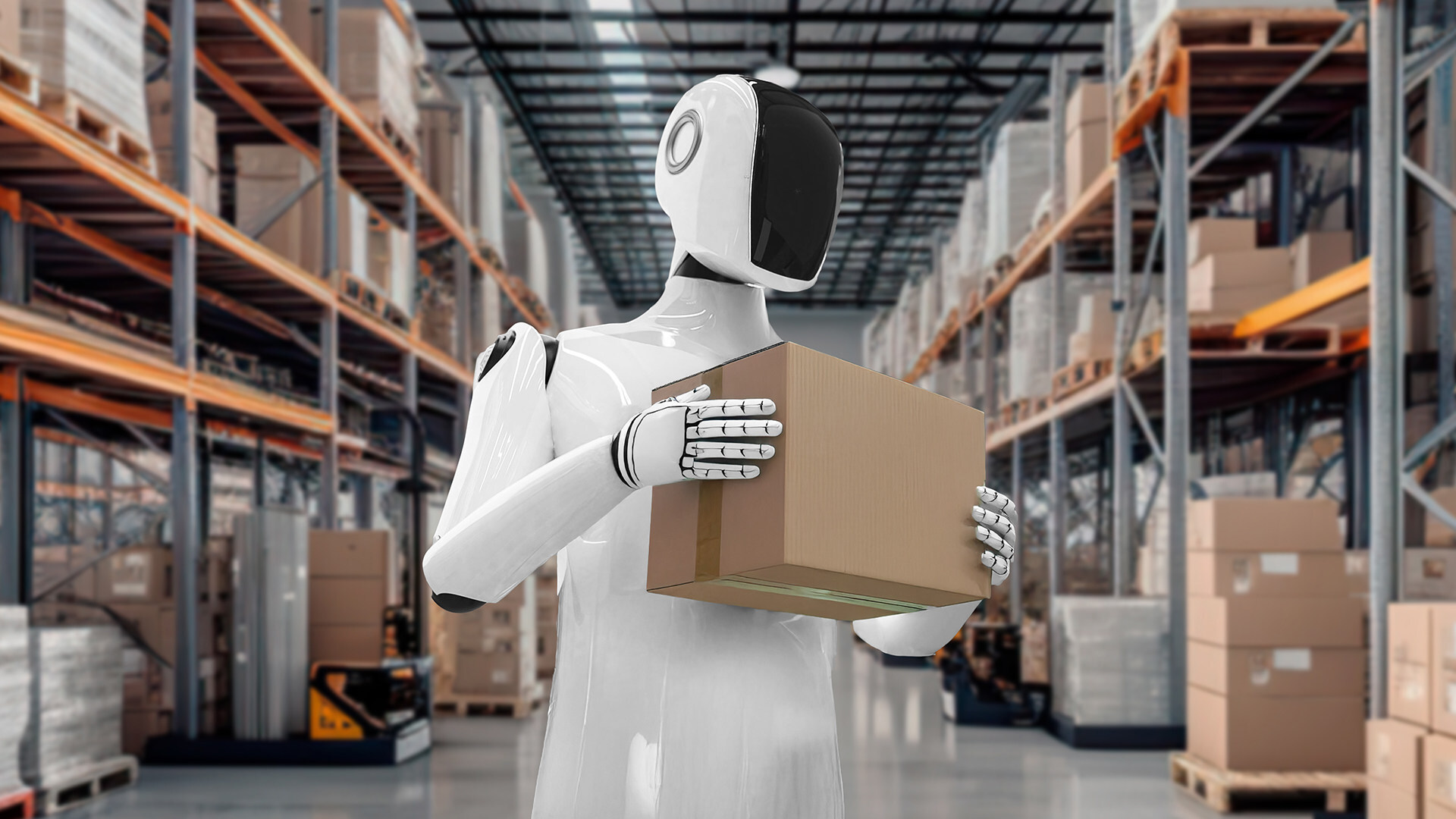
Programs like the Physical AI Fellowship reflect a broader shift in the technology landscape. While software-based AI has dominated recent innovation cycles, researchers and investors are increasingly exploring how machine learning can guide machines that interact with real environments—lifting objects, navigating workplaces, and assisting human workers.
Participation in the fellowship provides startups with both financial and technical support. Selected companies receive access to cloud computing credits, specialized AI development tools, and guidance from engineers and researchers affiliated with the sponsoring organizations.
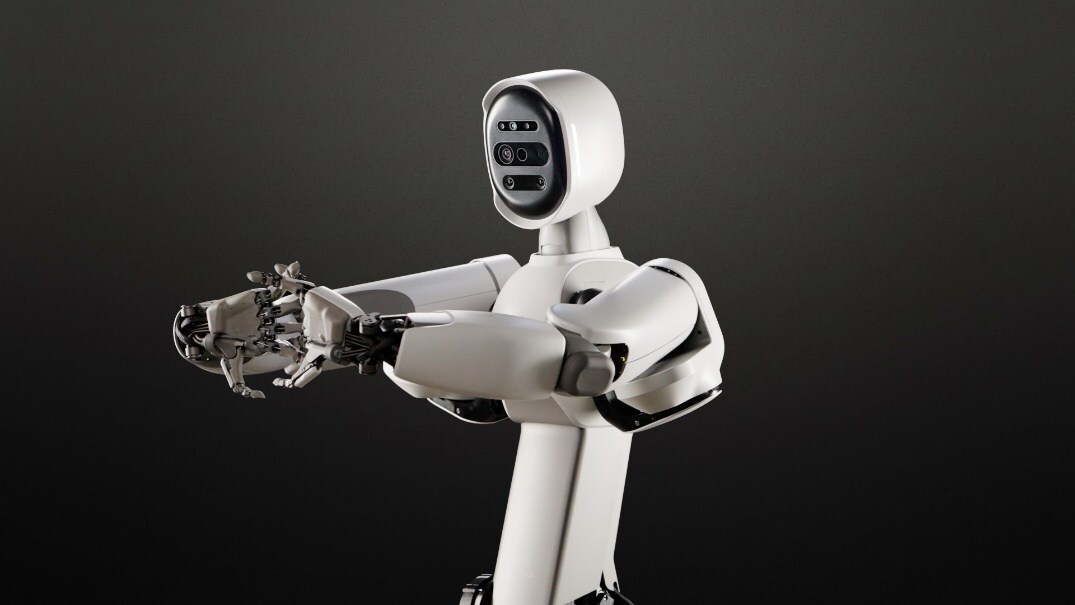
For WIRobotics, the opportunity centers on advancing its humanoid robotics platform known as ALLEX. The company is working to develop robots capable of performing tasks that require dexterity and coordinated physical interaction, areas that remain some of the most difficult challenges in robotics.
The project builds on WIRobotics’ earlier work in mobility-assist technology, including wearable robotics designed to help people walk more easily. That background in mechanical design and motion control has informed the company’s broader efforts to develop machines capable of more complex human-like movement.
The fellowship also serves as a testing ground for emerging robotics concepts. Participants gain access to research networks, prototype testing facilities, and opportunities to demonstrate their technologies at major technology conferences and industry events.
As interest in automation grows across logistics, manufacturing, and service industries, humanoid robotics is attracting new attention from researchers and investors alike. By combining machine learning with increasingly capable hardware, developers hope to create robots that can operate safely and effectively in spaces originally designed for people.
WIRobotics’ participation in the fellowship places the company within that evolving conversation about how artificial intelligence might move from software screens into the physical world.