
Xfinity’s RealTime4K debut highlights how live sports viewing is shifting from resolution alone toward minimizing delay, reshaping how fans experience major events in an era of instant alerts and social media.
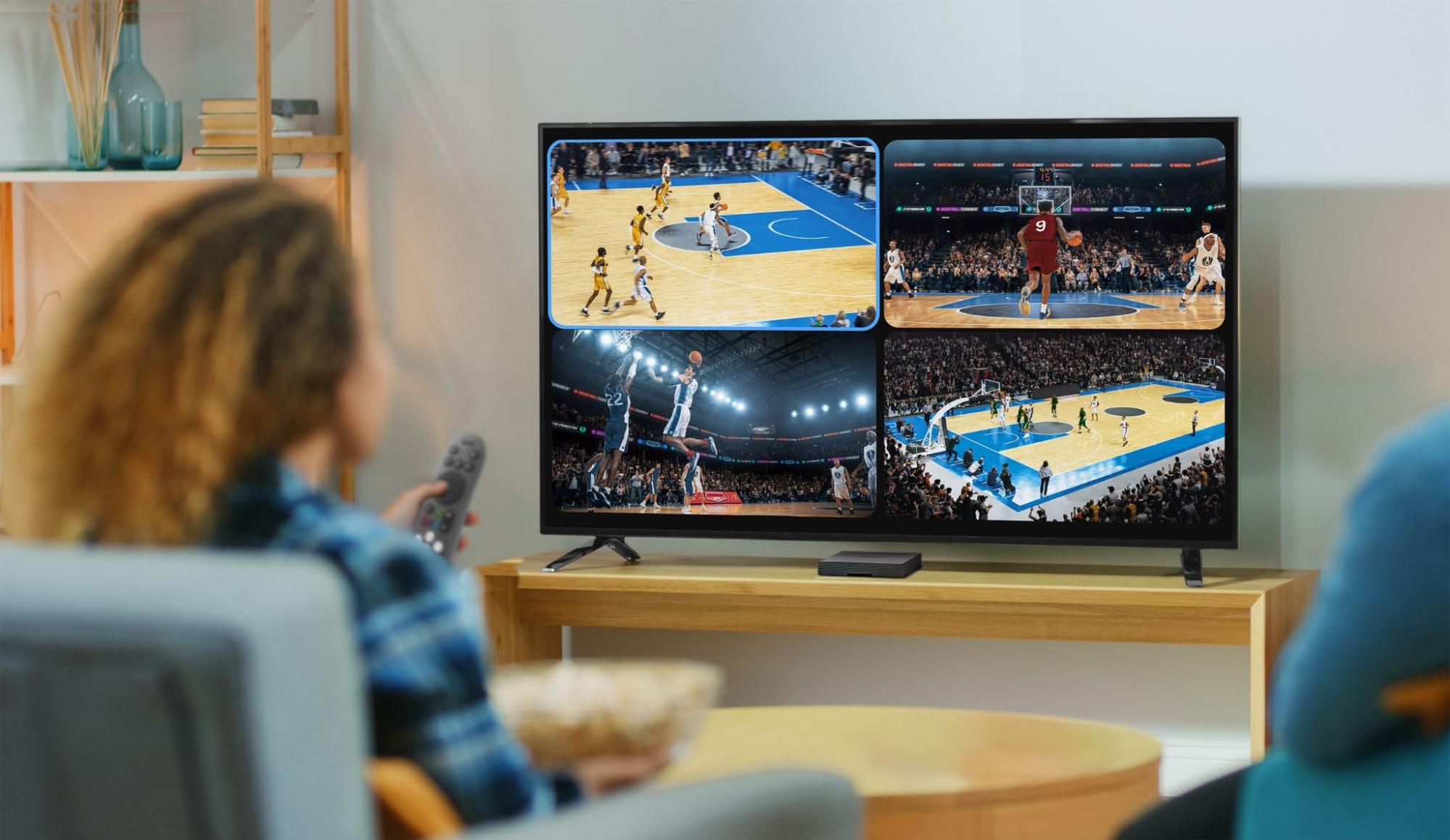
When Xfinity introduces RealTime4K for Super Bowl LX, the move signals more than a technical upgrade—it reflects how audience expectations around “live” sports have changed. In a world where phones, apps, and social feeds broadcast outcomes instantly, even small delays can undermine the shared drama that defines major sporting events. Reducing latency has become as central to the viewing experience as sharper images or richer sound.
The announcement underscores a quiet but consequential shift in broadcast priorities. For years, advancements focused on resolution, color range, and immersive audio, culminating in formats like 4K, Dolby Vision, and Dolby Atmos. Now, the emphasis is turning toward speed, with Xfinity promising delivery of the game up to 30 seconds faster than competing 4K providers—an interval that can determine whether a fan reacts organically or learns the result secondhand.
Technically, RealTime4K reflects how distribution infrastructure increasingly shapes what viewers perceive on screen. By removing compression steps and delivering higher bitrates across its network, Xfinity is attempting to align broadcast timing more closely with real-world action. While most viewers may not track the mechanics behind the feed, the practical outcome—fewer spoilers and more synchronized reactions—has tangible cultural impact during events like the Super Bowl.
The strategy also reveals how platforms are competing to own not just individual games, but entire viewing days. By pairing Super Bowl coverage with Olympic programming on a single Peacock 4K channel, Xfinity is positioning itself as a consolidated destination rather than a passive carrier. The emphasis on seamless navigation—no app switching, no input changes—suggests that convenience is becoming a differentiator alongside technical performance.
Ultimately, RealTime4K illustrates how live sports broadcasting is evolving to defend its relevance. As highlights circulate instantly and audiences fragment across screens, preserving the immediacy of shared moments has become critical. Whether this approach sets a new industry baseline remains to be seen, but it signals that the future of watching sports may hinge less on how stunning the picture looks, and more on how closely it keeps pace with reality itself.