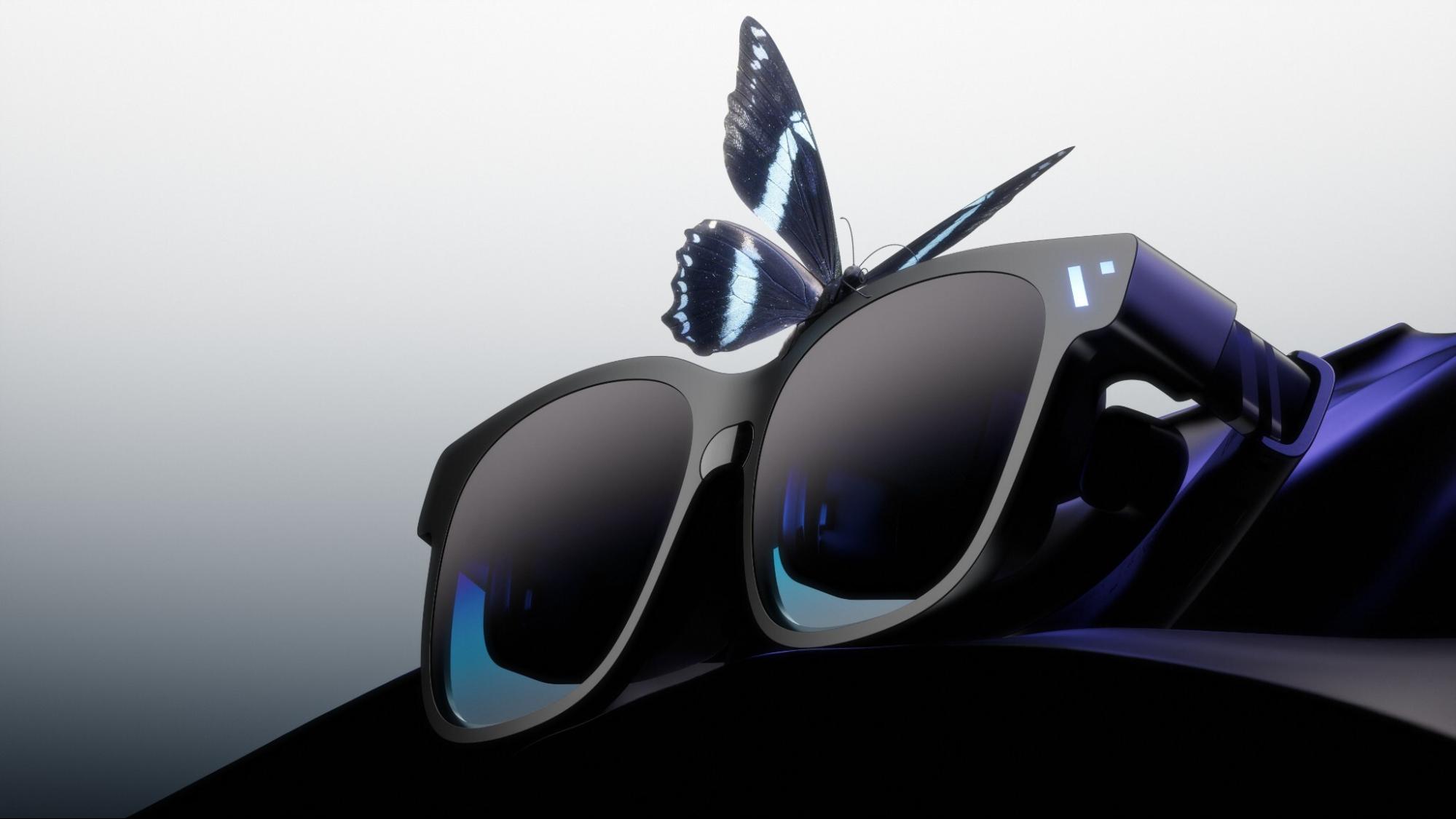

With Rokid Ai Glasses Style reaching worldwide availability and early sales momentum, the announcement highlights how AI eyewear is moving beyond demos and early adopters toward practical, daily use.
When Rokid announced that its Ai Glasses Style had reached worldwide availability, the headline number—more than 15,000 units sold—was less striking than what it suggests about the category itself. Consumer AI glasses have spent years hovering between concept and curiosity, but this milestone points to a product finding traction outside controlled showcases and tech-forward regions. It reflects growing comfort with AI as a visible, wearable presence rather than a background service.
The timing matters. After debuting at CES 2026, Rokid moved quickly into broad distribution across major online marketplaces in multiple regions, signaling a shift from experimentation to commercial execution. That transition is often where emerging hardware categories stall, as global supply chains, software compatibility, and user expectations collide. Clearing that hurdle suggests that AI eyewear is beginning to stabilize into something consumers can actually buy, wear, and keep using.
A key factor behind that adoption appears to be restraint rather than spectacle. Rokid Ai Glasses Style emphasizes lightweight construction and familiar form over futuristic aesthetics, positioning itself as eyewear first and technology second. In a space where novelty can overwhelm practicality, prioritizing comfort and everyday wearability lowers the psychological barrier to trying AI-enhanced devices in public settings.
Equally important is the focus on prescription support, a detail that has quietly limited earlier smart glasses efforts. By accommodating a wide range of vision correction needs and offering a global prescription service, Rokid acknowledges that eyewear is inherently personal and non-negotiable for many users. That practical consideration transforms AI glasses from an occasional gadget into something that can realistically replace, rather than compete with, standard frames.
The planned expansion into offline retail in Japan underscores another shift: AI eyewear is moving toward hands-on evaluation rather than impulse novelty. Physical retail allows for fitting, demonstration, and trust-building, all essential for devices worn on the face. Taken together, these steps suggest that AI glasses are edging closer to a role as a mainstream computing interface, not through bold claims, but through incremental alignment with how people already live and see the world.