As merchants reassess aging point-of-sale systems, the momentum behind cloud-based platforms highlights a broader shift toward flexibility, real-time insight, and technology that fits how modern stores actually operate.
Vibe Retail is gaining attention at a moment when many retailers are questioning whether their point-of-sale systems still match the realities of running a physical store. Years of patchwork upgrades, hardware lock-ins, and limited data visibility have left merchants searching for tools that can keep pace with rising costs and tighter margins. The company’s growth reflects less a single product breakthrough than a wider reassessment of what in-store technology should deliver.
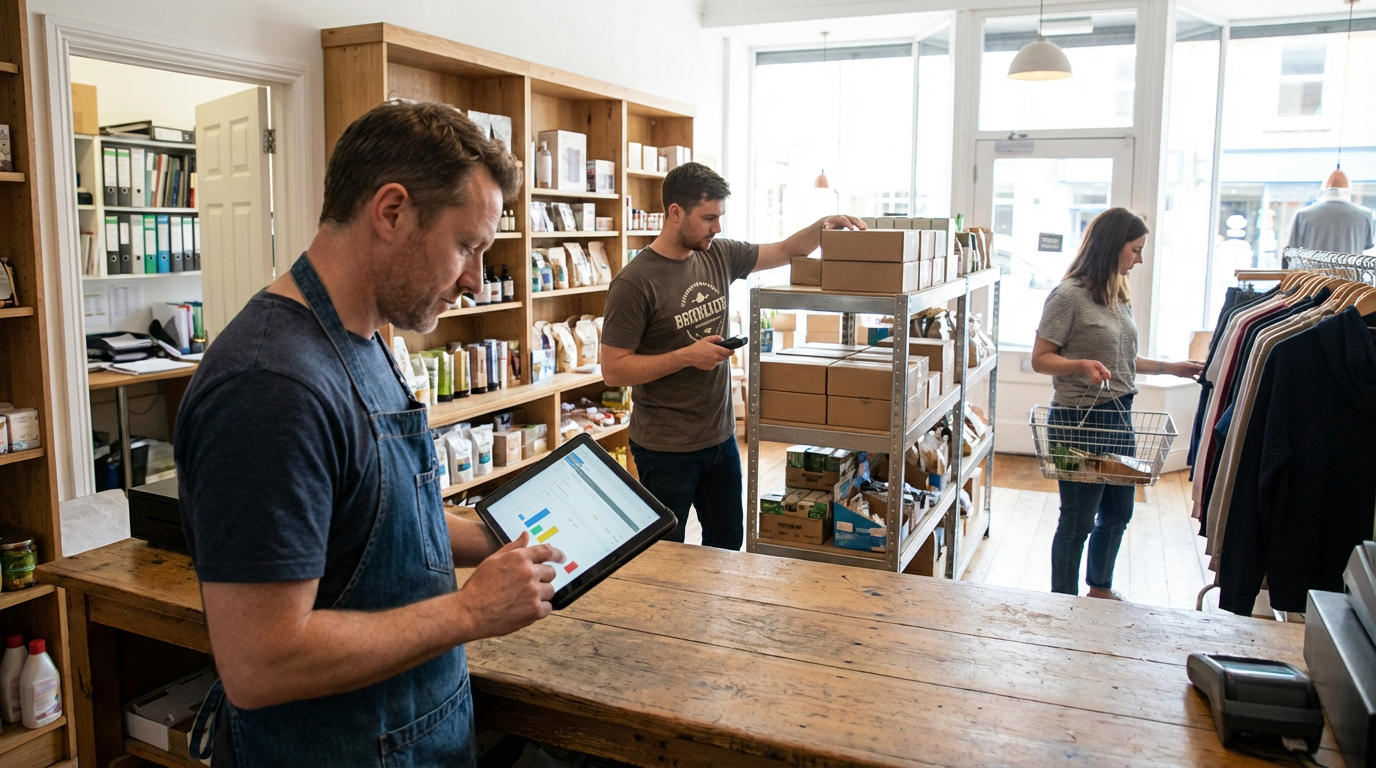
For much of the past decade, legacy POS systems functioned as transactional utilities rather than operational hubs. Today’s retailers, by contrast, increasingly expect real-time inventory awareness, faster checkout, and systems that adapt as stores expand or reconfigure. Cloud-based platforms have emerged as a response to these needs, offering centralized data and easier updates without the constraints of fixed, on-premise infrastructure.
The appeal of platforms like Vibe Retail POS lies in how they align with these changing expectations. Retailers with one store or many are looking for systems that scale without introducing complexity, especially as omnichannel pressures blur the line between physical and digital operations. Modern POS tools are now evaluated not just on reliability at the register, but on how well they support decision-making across locations, staff, and product lines.
This shift is also being shaped by external pressures that leave little room for inefficiency. Labor shortages, supply-chain volatility, and higher operating costs have made visibility into sales and inventory less of a convenience and more of a necessity. When systems fail to surface timely, usable information, the cost is often felt directly on the sales floor through stockouts, delays, or lost customers.
Vibe Retail’s expanding footprint suggests that retailers are increasingly willing to replace long-standing systems rather than continue working around their limitations. The broader implication is that in-store technology is no longer viewed as a sunk cost but as a strategic lever for resilience. As retailers continue to modernize, the momentum behind cloud-native POS platforms signals a lasting change in how physical retail is run—and in what merchants now expect from the tools behind the counter.