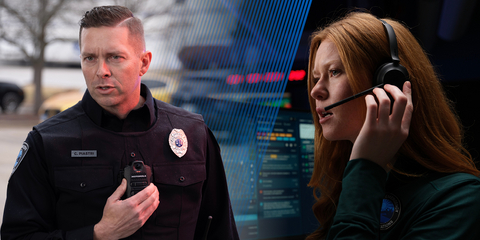
Motorola Solutions’ new role-based Assist Suites point to a quieter transformation in emergency response, where AI is used less to replace judgment and more to return time to people.
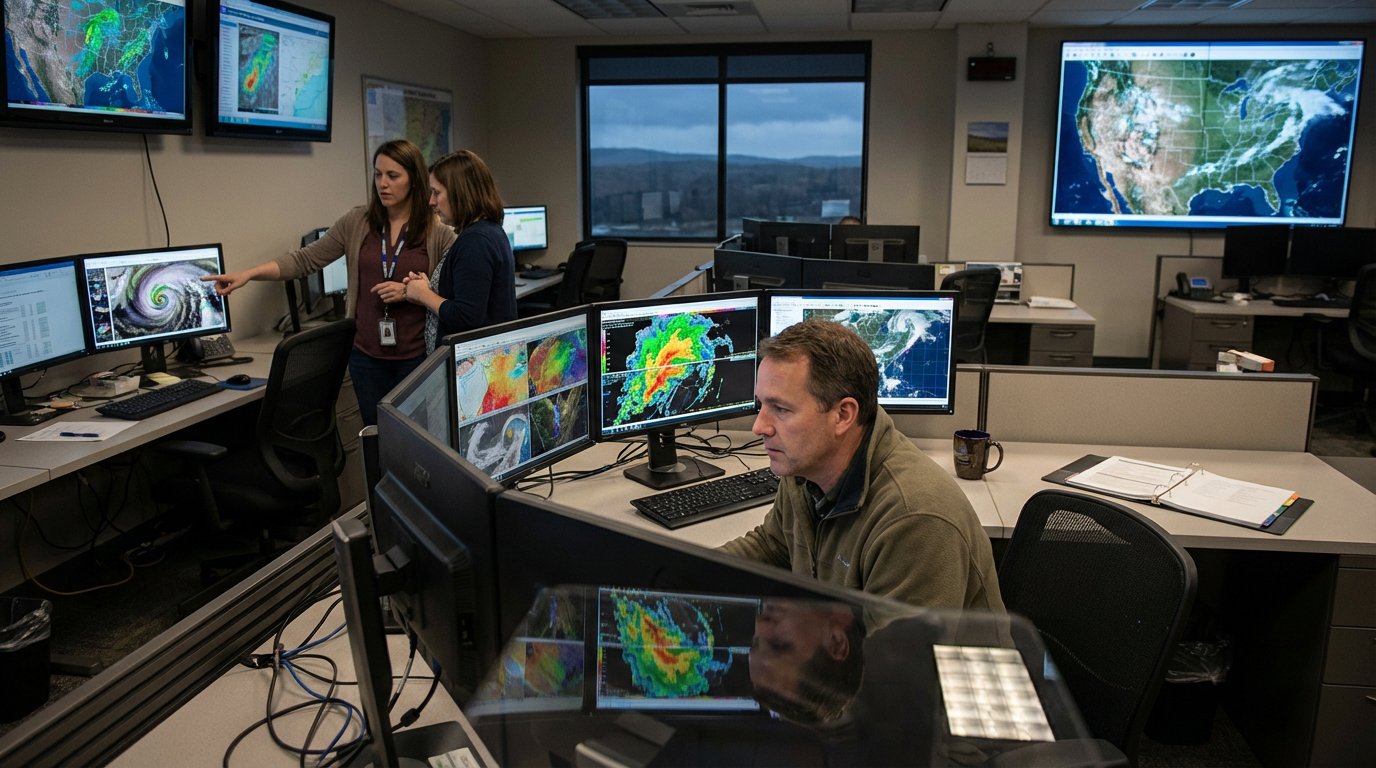
When Motorola Solutions announced its new Assist Suites, the headline promise was efficiency, but the deeper story is about time scarcity across public safety. Dispatchers and officers are overwhelmed not by a lack of information, but by too much of it, spread across calls, cameras, radios, and reports. The company’s approach reflects a growing recognition that modern emergency work is as much about managing data flows as responding to crises on the ground.
The Assist Suites are designed around roles rather than technology for its own sake, a distinction that matters in high-stakes environments. Dispatchers and responders face different pressures, and the AI tools are structured to reflect those realities, from real-time transcription and translation in 911 centers to consolidated intelligence for officers en route to a scene. This framing suggests an attempt to make AI less abstract and more situational, aligning it with how work actually unfolds during emergencies.
Underlying the announcement is a stark operational challenge: agencies face both staffing shortages and rising administrative demands. Research cited in the release points to nearly half of dispatchers’ time spent verifying information and roughly 40% of officers’ shifts consumed by paperwork. In that context, AI is positioned not as a decision-maker, but as a verifier and organizer, cross-referencing sources and flagging inconsistencies while preserving human control and audit trails.
The emphasis on verification is particularly notable in an era of skepticism about automated systems. Narrative Assist, for example, does not simply generate reports but highlights discrepancies for officer review, reinforcing the idea that accountability remains human-led. This design choice reflects broader concerns in public institutions about transparency, accuracy, and the risks of unchecked automation, especially where legal and ethical standards are high.
Taken together, the launch signals a pragmatic evolution in how AI is being introduced into public safety. Rather than promising sweeping transformation, Motorola Solutions is focusing on reclaiming minutes and hours that can be redirected toward community presence and situational awareness. If successful, the significance of these tools may lie less in their novelty and more in how quietly they reshape daily routines, allowing professionals to spend less time behind screens and more time where their judgment matters most.