
Being named the world’s leading hotel loyalty program by The Points Guy highlights how scale, flexibility, and experience-driven rewards are reshaping what travelers expect from loyalty in a fragmented market.
When Marriott Bonvoy was named the world’s leading hotel loyalty program by The Points Guy, the recognition reflected more than brand dominance. It underscored how loyalty programs have become central infrastructure in modern travel, shaping where people stay, how they plan trips, and how they perceive value in an increasingly complex marketplace. In a landscape crowded with points, perks, and promises, consistency and breadth now matter as much as generosity.
Hotel loyalty once revolved around free nights and elite status, but expectations have shifted. Travelers increasingly look for programs that integrate seamlessly into daily life and offer relevance beyond traditional stays. Marriott Bonvoy’s scale—spanning thousands of properties and dozens of brands—allows members to apply rewards across luxury, lifestyle, and practical travel needs, reducing friction in how points are earned and used.
The program’s recent evolution points to a broader industry trend: loyalty as an experience platform rather than a rebate system. Additions such as boutique-focused brands, outdoor-oriented stays, and non-hotel experiences signal an effort to meet travelers where their interests are, not just where rooms are available. For frequent travelers and occasional guests alike, this approach reframes loyalty as access to variety rather than obligation to a single style of travel.
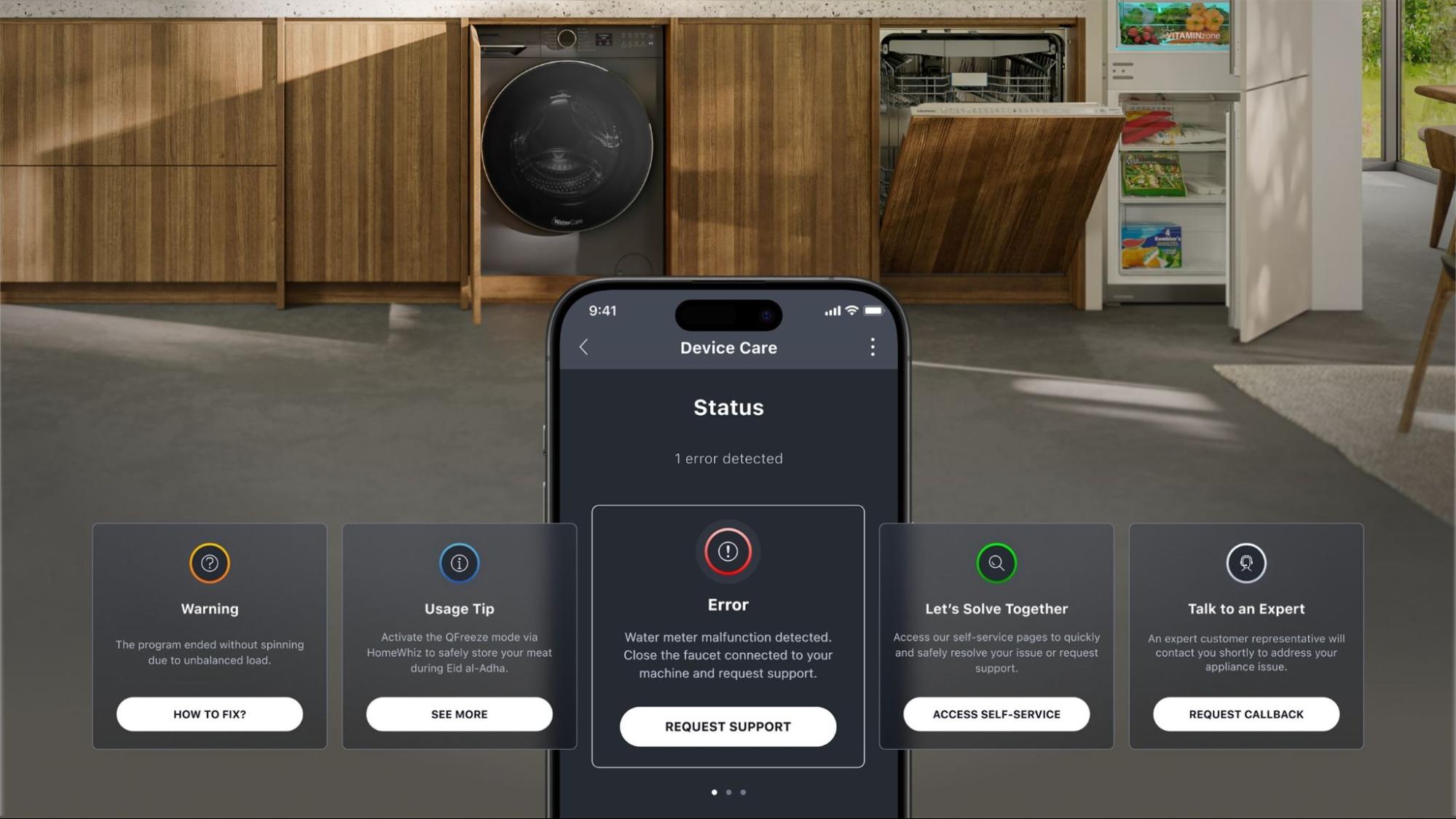
Technology also plays a quiet but meaningful role in why programs like Marriott Bonvoy stand out. App-based personalization tools, expanded redemption options, and clearer pathways to earning points respond to growing traveler fatigue with opaque rules and limited flexibility. As travel planning becomes more self-directed and digital, loyalty programs that simplify rather than complicate decision-making gain an edge.
The Points Guy’s recognition ultimately reflects how loyalty programs are being judged differently than a decade ago. Editorial evaluations now emphasize real-world usability, adaptability, and whether benefits feel attainable rather than aspirational. In that context, Marriott Bonvoy’s win suggests that success in loyalty is no longer about offering the richest perks to a few, but about delivering steady, usable value to many as travel habits continue to diversify.