
Reply’s AWS Partner of the Year award hints at how cloud providers and consulting firms are increasingly shaping the digital backbone of Europe’s evolving energy and utilities sector.
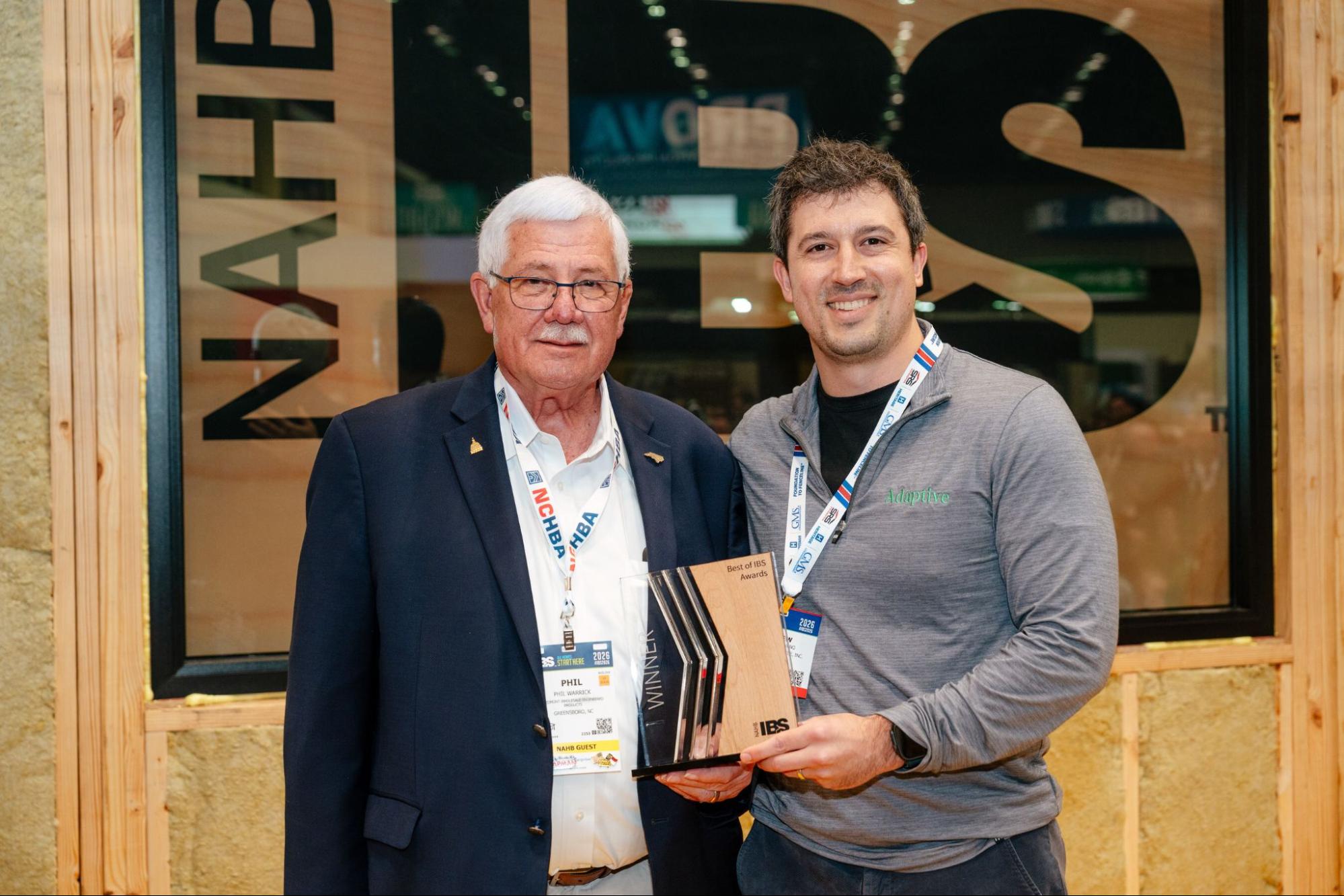
Reply has been named AWS’s 2025 EMEA Partner of the Year for the Energy and Utilities sector, a recognition that places the company within a growing cohort of technology firms influencing how the region modernizes its energy systems. For AWS, such awards highlight partners that help industries adopt cloud-based tools; for Reply, the distinction signals how deeply cloud architectures are becoming embedded in Europe’s transition toward more flexible, data-driven power networks. It reflects a broader shift in which energy transformation is no longer purely an engineering challenge but also a software one.
The award, announced at AWS re:Invent, underscores how critical cloud infrastructure has become to forecasting, grid monitoring, and operational planning. Reply’s work spans several of its specialized subsidiaries, each focused on applying AWS technologies to industry-specific problems, from renewable integration to distributed asset management. This specialization mirrors a trend across the sector: utilities increasingly seek partners that can translate technical domain knowledge into digital tools that scale.
A notable component of Reply’s portfolio is its IoT-based accelerator, designed to help energy providers deploy serverless applications that collect and manage real-time data from plants, grids, and distributed resources. In practice, such architectures aim to break down legacy system silos that have long constrained how utilities operate. As electrification accelerates across transportation and industry, the ability to process and act on granular operational data is becoming a prerequisite for stability rather than an optional upgrade.
The company’s recognition also illustrates how cloud ecosystems shape competitive dynamics within the energy sector. AWS’s partner awards often reward firms that can demonstrate measurable customer outcomes, and in this case, those outcomes relate to energy forecasting, flexibility, and the optimization of complex networks. For utilities navigating decarbonization targets and variable renewables, these capabilities are increasingly tied to financial performance and regulatory expectations.
Reply’s additional regional award in Italy reinforces how national energy systems, even within the EU’s shared policy framework, require localized approaches to digital transformation. While awards alone do not determine market leadership, they offer a snapshot of which firms are helping to define the next phase of energy infrastructure. As cloud platforms expand their influence across critical systems, partnerships like this one shed light on the evolving intersection of digital strategy and energy policy.