The debut of an Accessibility Stage at CES 2026 signals a shift from inclusion as a niche concern to a core design principle, reframing how innovation is evaluated across health, AI, and consumer tech.
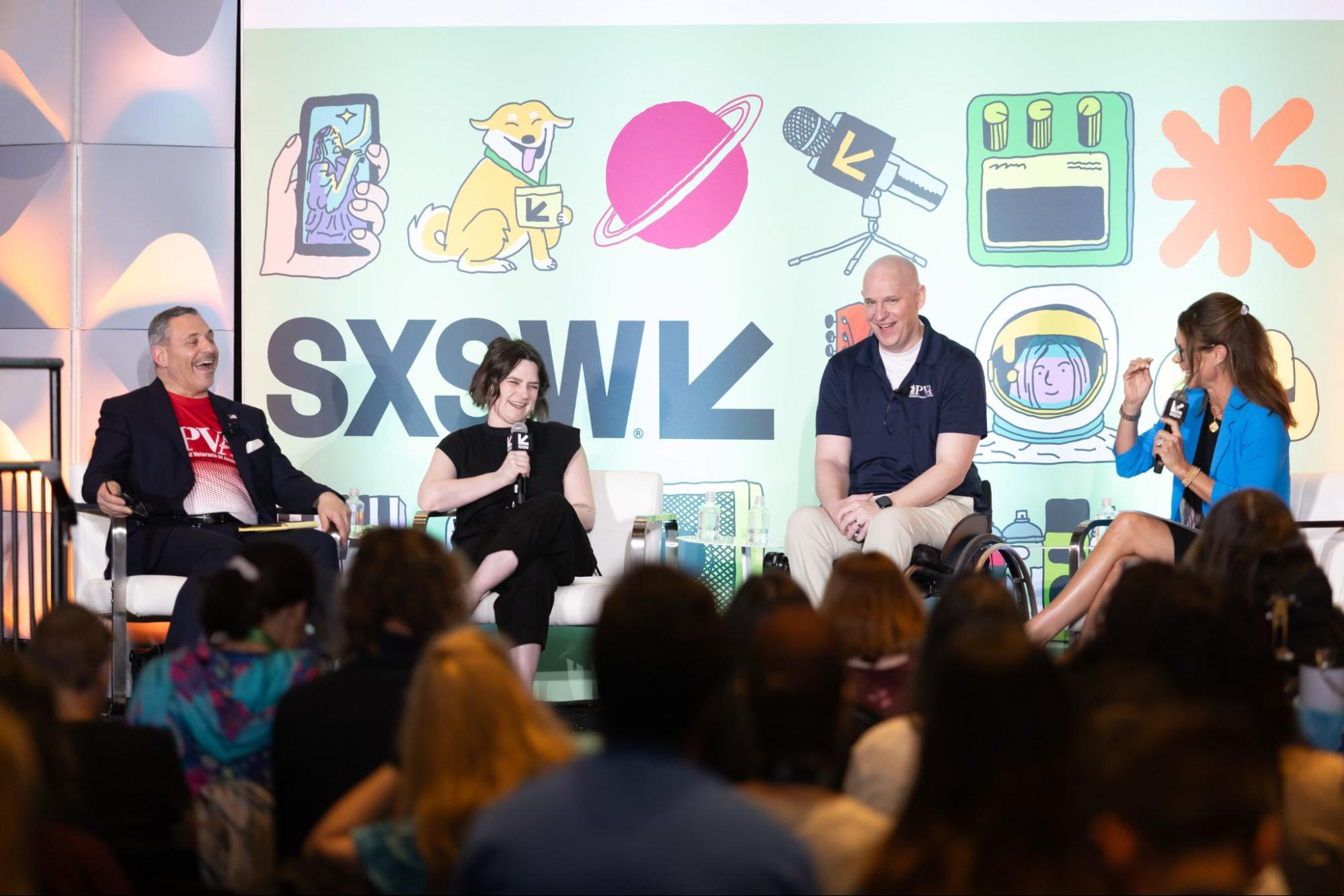
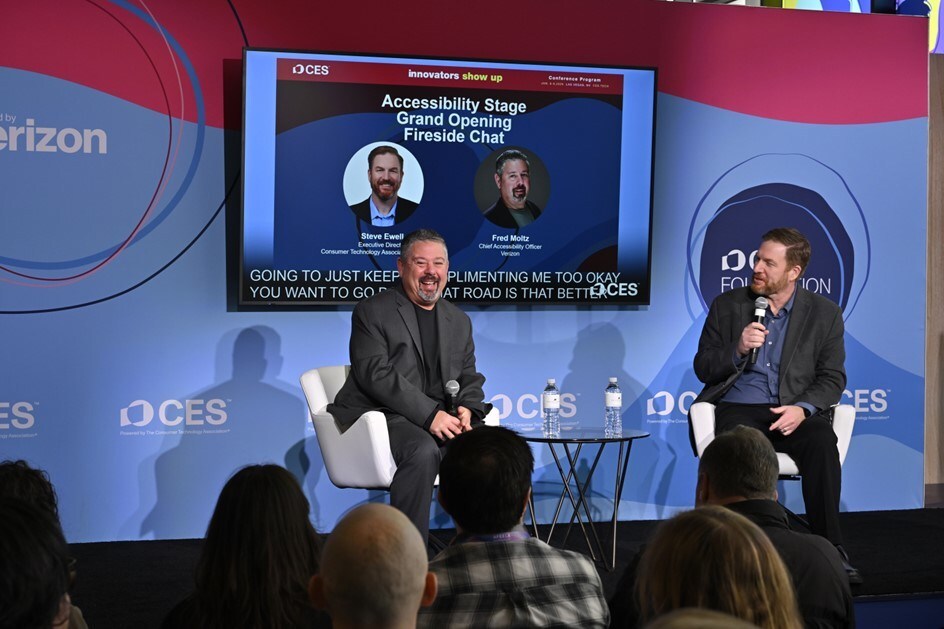
At CES 2026, the CTA Foundation made accessibility visible in a way the technology industry has rarely done at scale. By introducing the show’s first dedicated Accessibility Stage, the Foundation positioned inclusive design not as a side initiative but as a central measure of technological relevance. That decision reflects a growing recognition that innovation only reaches its full potential when it accounts for the widest possible range of users.
The programming surrounding the stage reinforced how accessibility is increasingly intertwined with mainstream technology trends. Sessions and competitions focused on digital health, artificial intelligence, aging, and mobility—areas already shaping the broader tech market. By situating accessibility within these domains, CES reframed it as a driver of better products rather than a compliance obligation or philanthropic add-on.
Several events highlighted how early-stage companies are translating accessibility into practical tools. Startups working on AI-powered navigation, digital care companions, and remote therapeutic monitoring were evaluated not just for technical novelty, but for real-world impact. This emphasis suggests a maturing ecosystem where inclusive technology is expected to perform, scale, and integrate alongside conventional consumer solutions.
Equally notable was the cross-sector participation woven into the week’s programming. Conversations brought together industry leaders, policymakers, disability advocates, and funders, signaling that accessibility challenges rarely sit within the control of a single stakeholder. The presence of large technology companies alongside startups underscored how accessibility outcomes often depend on collaboration across platforms, standards bodies, and distribution channels.
The broader significance of CES 2026 lies in what the Accessibility Stage represents for the future of technology culture. By giving accessibility a physical and programmatic center, the CTA Foundation helped redefine what innovation leadership looks like on one of the industry’s most influential stages. If this approach continues, accessibility may increasingly function as a benchmark of quality and foresight—shaping not only who technology serves, but how success itself is defined.