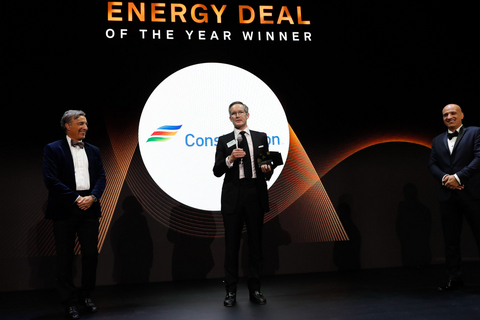
A UN Global Compact recognition for Aclara’s work in Chile highlights how employment, inclusion, and local supply chains are becoming central measures of legitimacy for emerging critical minerals projects.
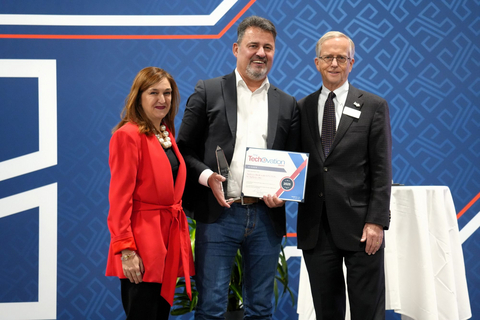
Aclara Resources Inc. was recently recognized by the UN Global Compact Chile Network for an initiative that places local suppliers at the center of its operations, a distinction that reflects changing expectations around extractive industries. Rather than focusing on output or scale, the award draws attention to how companies interact with the communities that host their projects. For an industry often defined by distant markets and global demand, that emphasis marks a notable recalibration.
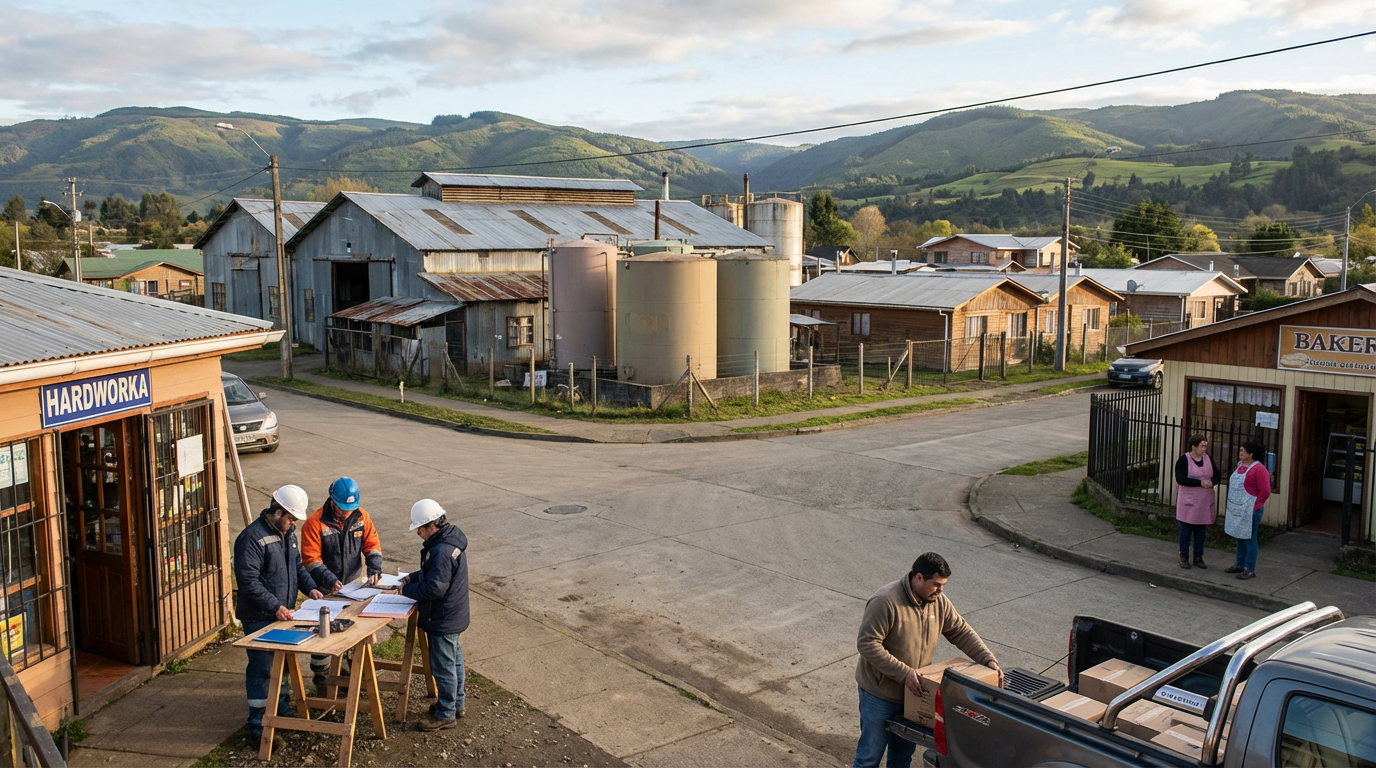
The recognition emerged from Chile’s CONECTA 2025 Awards, where dozens of companies were assessed on how their initiatives contribute to sustainable development within specific territories. Aclara’s Local Suppliers Network stood out for integrating small and medium-sized businesses from the Biobío region into the value chain of a developing rare earths project. In this context, sustainability is framed less as a technical standard and more as an economic relationship rooted in place.
Since 2024, the initiative has brought more than 300 regional suppliers into its orbit, most of them SMEs and a significant share based in the municipality of Penco. The network has already generated hundreds of indirect jobs and is projected to support substantially more employment as the project advances, with an explicit priority on local hiring. These figures matter not only for scale, but because they suggest a deliberate effort to anchor industrial growth in existing local economies rather than bypassing them.
The program also reflects broader social dimensions that are increasingly scrutinized in resource development, including participation by women-led businesses. In sectors where procurement often favors large, established contractors, the composition of Aclara’s supplier base points to a more distributed model of economic engagement. That approach aligns with global development frameworks that link human rights to access, inclusion, and opportunity.
This latest recognition builds on earlier acknowledgment of Aclara’s water management practices, reinforcing how social and environmental considerations are being evaluated together. As rare earths gain strategic importance for energy transition and advanced manufacturing, scrutiny is extending beyond where materials come from to how their extraction reshapes local communities. The significance of the award lies less in its ranking than in what it signals: that the future viability of mining projects may depend as much on local trust and shared benefit as on the minerals themselves.