The San Francisco debut of CardVault by Tom Brady points to how collectibles have moved from niche shops to destination retail, shaped by culture, fandom, and a fast-growing global market.
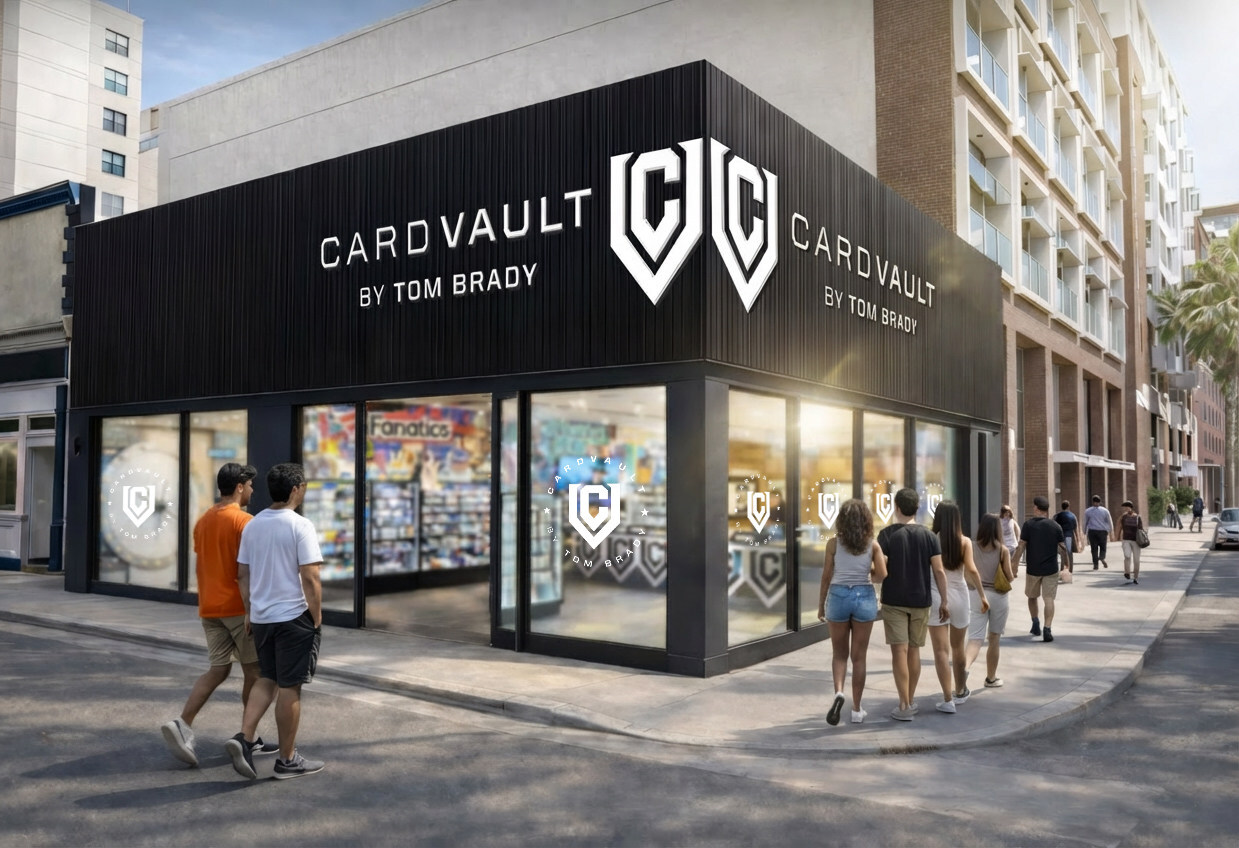
When CardVault by Tom Brady confirmed plans to open its first flagship store in San Francisco, the announcement carried implications beyond another retail expansion. Located across from Oracle Park, the store positions sports collectibles alongside live sports culture rather than on its fringes. That choice reflects how trading cards and memorabilia have become part of a broader entertainment economy, not just a specialist pastime.
The timing of the opening, aligned with one of the busiest weekends on the sports calendar, underscores how the hobby now intersects with major sporting moments. Collectibles are no longer treated solely as long-term keepsakes but as active expressions of fandom tied to events, athletes, and shared experiences. In cities like San Francisco, where professional sports and technology culture overlap, the flagship format signals confidence that demand is both sustained and diverse.
At more than 2,800 square feet, the store’s scale suggests a deliberate move away from the cramped card shop stereotype. By offering authenticated memorabilia, rare cards, and sealed products from brands such as Topps and Panini, the space is designed to accommodate casual fans alongside serious collectors. The emphasis on display and curation mirrors how luxury retail and museums frame objects as cultural artifacts rather than simple merchandise.
The involvement of Tom Brady adds visibility, but the broader story lies in market dynamics. The global sports memorabilia and trading cards market has grown into a multibillion-dollar sector, fueled by digital marketplaces, grading services, and renewed interest from younger collectors. A flagship store acts as a physical anchor in an ecosystem that is otherwise heavily online, offering trust, community, and face-to-face engagement.
By serving as an authorized submission center for major grading firms, the San Francisco location also highlights how infrastructure now supports mainstream participation. Grading, once a barrier due to complexity or distance, becomes part of the in-store experience, lowering friction for new entrants. That accessibility matters in a hobby increasingly shaped by transparency, authentication, and long-term value.
Taken together, the flagship opening reflects a turning point in how collectibles are bought, sold, and experienced. Rather than chasing novelty, the strategy suggests confidence that sports cards have secured a lasting place at the intersection of retail, culture, and fandom.