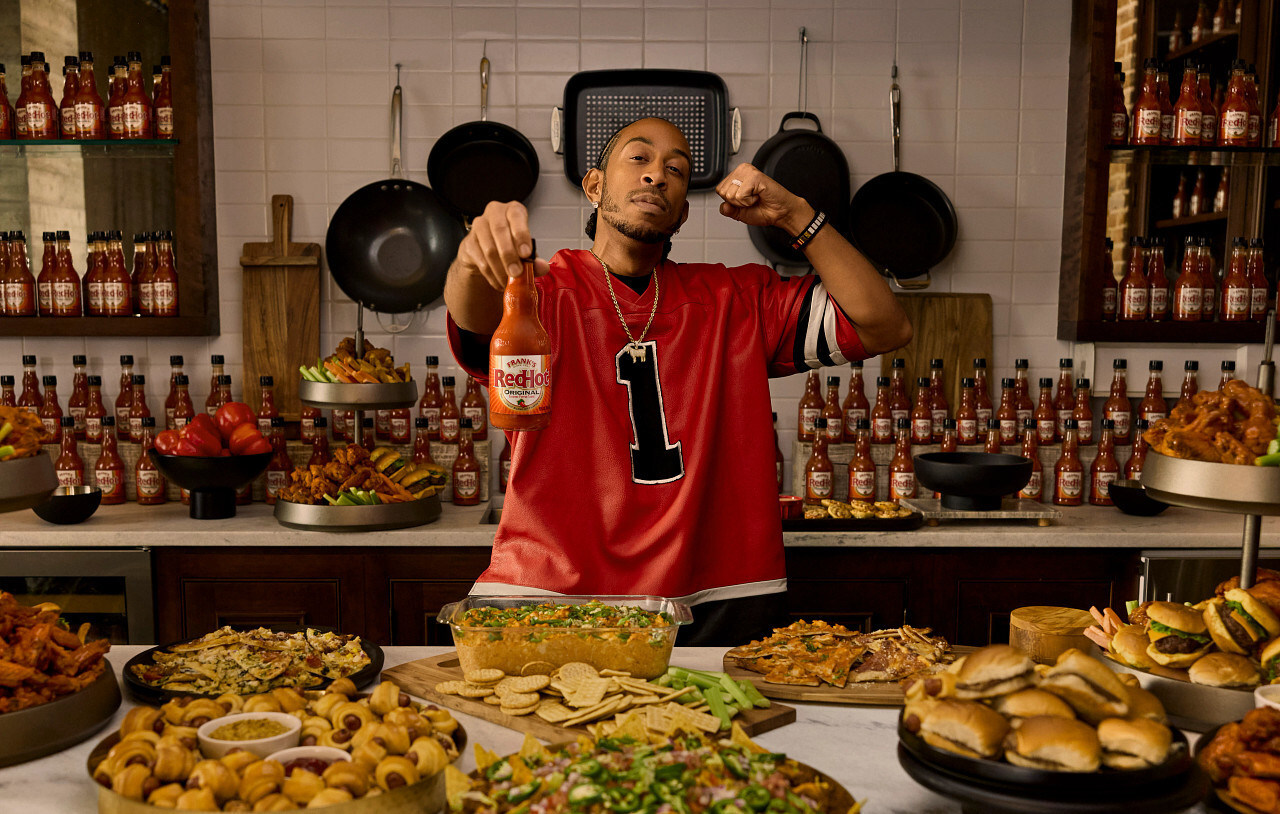
Frank’s RedHot’s Big Game campaign with Ludacris shows how food brands are leaning into shared cultural language, using humor and music to turn everyday products into symbols of identity and ritual.
Frank’s RedHot enters the Big Game conversation this year with a campaign that is less about introducing a new product and more about reinforcing cultural relevance. By pairing its long-standing hot sauce with Ludacris, the brand taps into a shared idea of “GOAT” status that resonates across sports, music, and food. The move reflects how mainstream condiments increasingly compete not just on taste, but on presence within moments that already carry emotional weight.
The “Eat The GOAT” concept works because it translates an abstract claim—greatness—into something literal and participatory. Rather than positioning the sauce as a premium upgrade or limited-time novelty, the campaign frames it as a constant in how fans already gather, eat, and celebrate. That framing matters in a category where loyalty is often inherited through habit rather than persuasion.
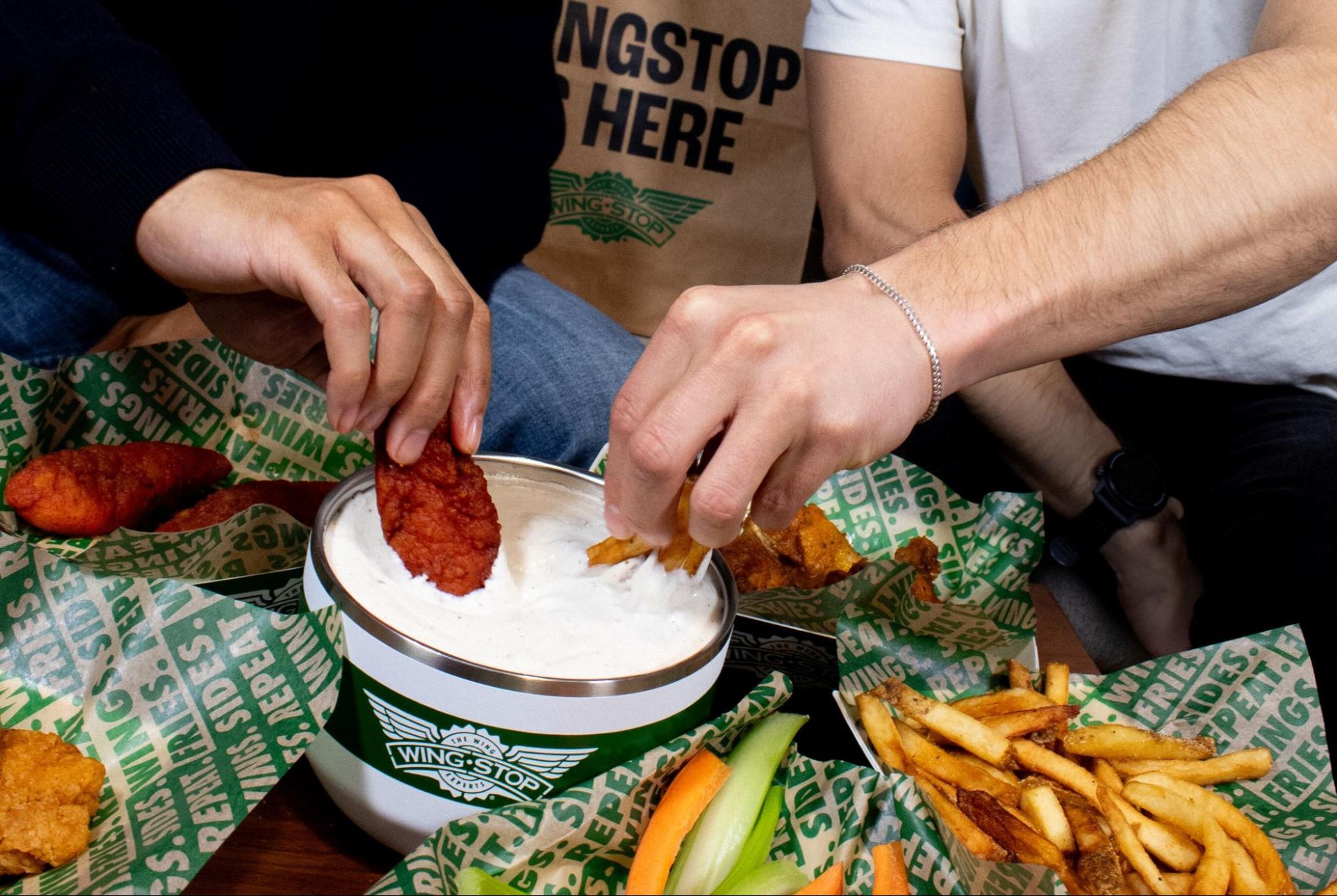
Big sporting events have long been fertile ground for food marketing, but the emphasis here is on familiarity rather than spectacle. The campaign’s house-party setting mirrors how most people actually experience the game: crowded rooms, shared snacks, and food that becomes part of the memory. By centering those rituals, Frank’s RedHot aligns itself with the social fabric of game day rather than the event itself.
There is also a strategic signal in the tone. Humor, music references, and playful exaggeration suggest confidence in brand recognition, reducing the need to explain what the product is or why it exists. For established brands, this kind of cultural shorthand can be more effective than functional messaging, especially when competitors offer similar heat levels and formats.
Ultimately, the campaign highlights a broader shift in consumer marketing, where products succeed by embedding themselves in culture rather than interrupting it. Frank’s RedHot is not asking audiences to change their behavior, only to see what they already eat as part of a larger story. In a crowded marketplace, that ability to feel familiar and iconic at the same time may be what keeps everyday brands relevant long after the final whistle.