The San Francisco company has now secured more than $200 million in six months, signaling growing investor interest in augmented and extended reality as the sector matures.
VITURE has closed a second $100 million financing round in six months, bringing its recent total to more than $200 million. The San Francisco–based extended reality hardware maker says the latest funding, led by Legend Capital alongside other strategic investors, will support product development and global expansion as competition intensifies in the XR and AR market.
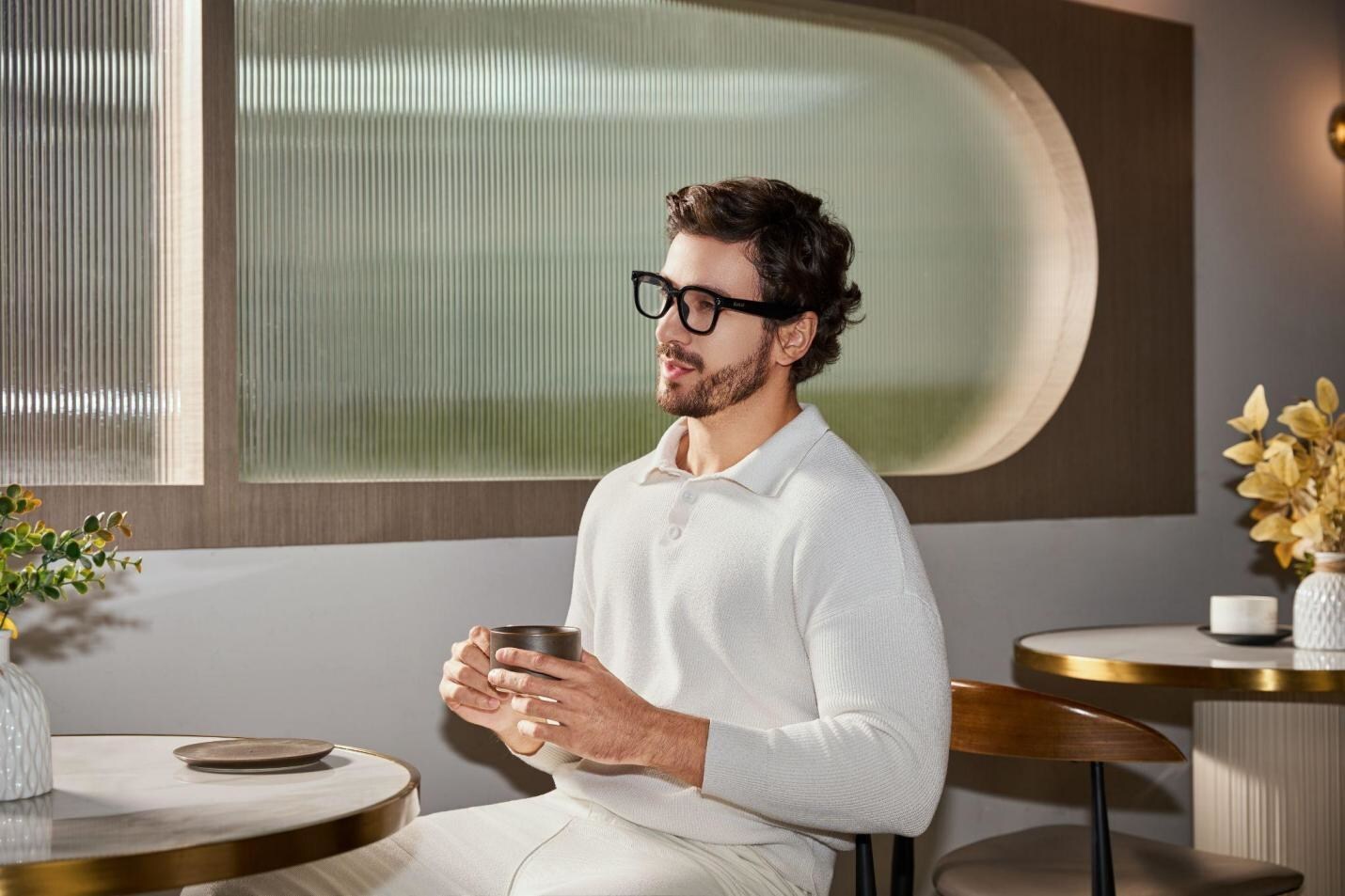
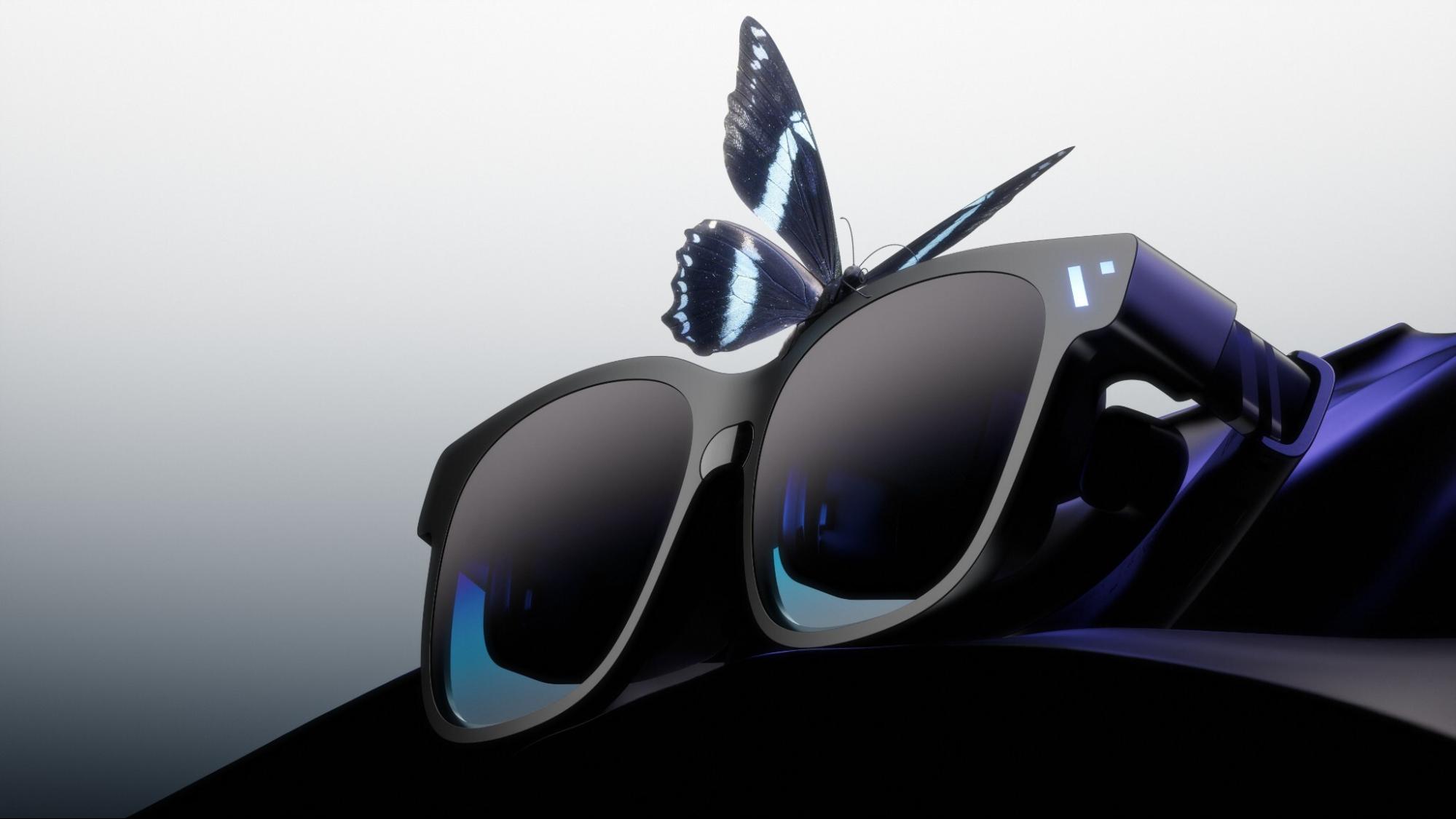
The scale and pace of the fundraising reflect renewed investor attention on spatial computing after several uneven years for consumer-facing AR and VR devices. VITURE has focused on lightweight XR glasses, positioning itself within the “extended-display” category rather than full virtual reality headsets. According to IDC’s recent quarterly reports cited by the company, VITURE ranked first in U.S. XR glasses shipments, suggesting it has found traction in a niche that blends portability with immersive media consumption.
In 2025, the company introduced its third-generation Luma Series and a flagship model known as The Beast, marking a step toward more advanced augmented reality features. It also expanded its retail presence in North America, including in-store demos at Best Buy, an effort that signals a belief that consumer adoption may hinge as much on hands-on experience as on technical specifications.
VITURE has also sought to extend its relevance beyond entertainment. Last year it announced a collaboration with NVIDIA and Stanford Medicine to explore how AR and AI tools might streamline laboratory workflows, an example of how wearable displays are being tested in enterprise and research environments. Such partnerships point to a broader ambition: positioning XR hardware not just as a gaming accessory, but as a productivity platform.
At the same time, the company is navigating legal disputes with competitor XREAL over patent claims in both China and the United States. While VITURE says it is defending its intellectual property, the litigation underscores how crowded and contested the XR hardware landscape has become.
As 2026 begins, VITURE’s challenge will be to translate capital and momentum into sustained adoption. The funding suggests confidence in the category, but the long-term question remains whether XR glasses can move from early enthusiasm to everyday utility.