The London aviation startup is betting that rising demand for premium pet services will support a new travel model where animals fly internationally in aircraft cabins—even without their owners.
Vicuna Air has unveiled a new service called “Biscuit Class,” offering international flights where pets travel in the aircraft cabin without their owners. The London-based company operates chartered private jets and positions the new option as an alternative to the traditional system in which animals often travel in cargo holds during long-distance flights.
The idea reflects a broader cultural shift in how many people view their pets. In recent years, the global pet economy has expanded rapidly, fueled by owners increasingly treating animals as members of the family and seeking services that prioritize comfort, safety, and companionship.
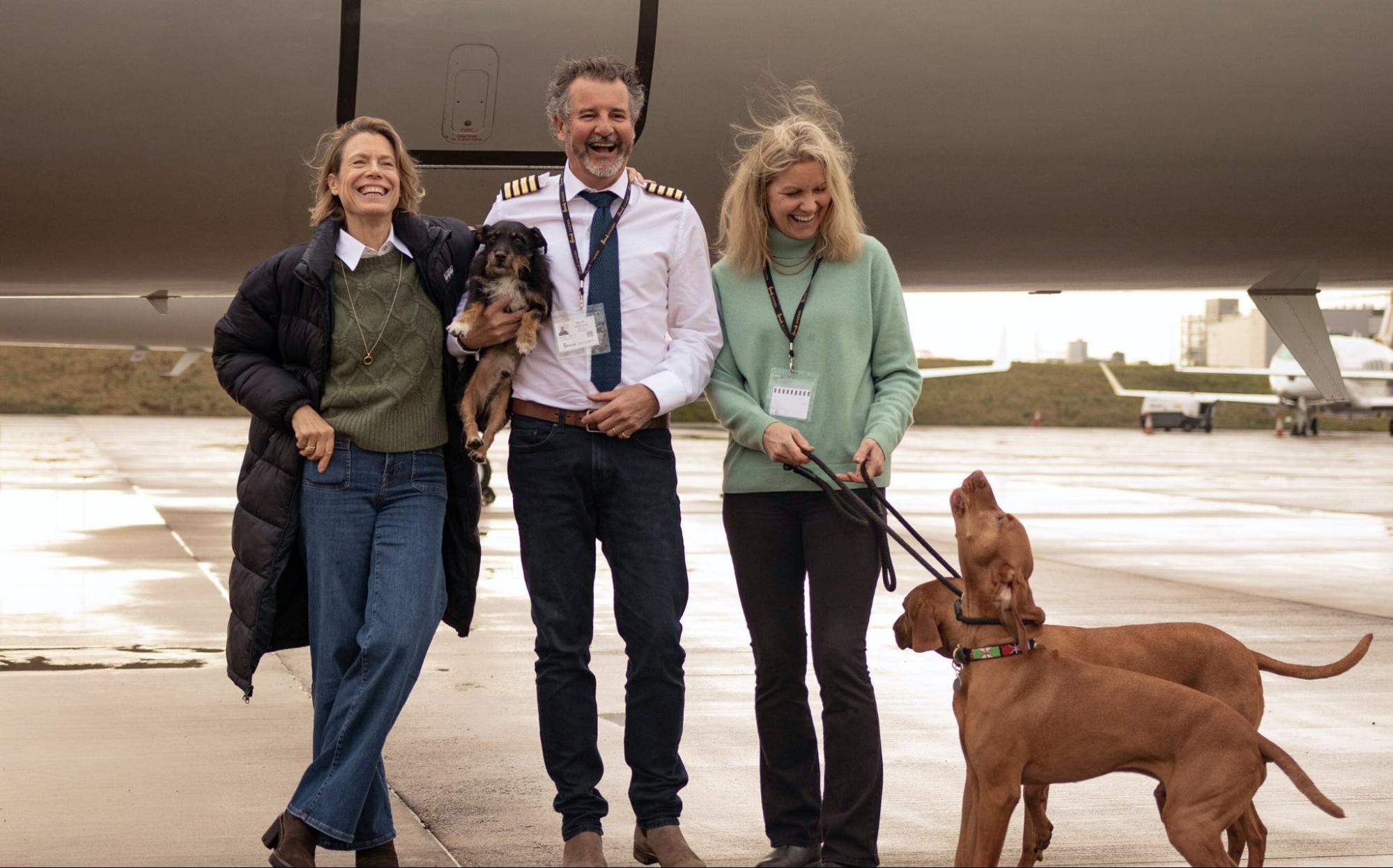
Under the Biscuit Class model, pets travel inside the cabin of a Gulfstream GV private jet while accompanied by trained staff members known as Vicuna concierges. Owners can remain with their pets until departure and reunite with them shortly after arrival, even when they are not traveling on the same flight.
International pet transport has long been a logistical challenge, shaped by airline rules, quarantine requirements, and aircraft design. While smaller animals sometimes travel in passenger cabins on commercial flights, larger pets are frequently placed in specialized cargo compartments, a practice that has drawn criticism from some owners concerned about stress or safety.
Vicuna Air’s approach builds on a growing niche market for specialized pet aviation services. Some companies already offer charter flights where owners travel alongside animals in the cabin, but the concept of pets traveling alone with dedicated attendants represents a new variation on the idea.
The service also highlights the intersection of luxury travel and the expanding “pawprint economy,” a term used to describe the growing range of businesses built around pet ownership. From boutique hotels to premium food brands and veterinary technology, the sector has become a significant consumer market worldwide.
Whether solo cabin flights become a widely adopted solution remains uncertain, given the high costs typically associated with private aviation. Still, the concept suggests that as pet ownership continues to shape consumer expectations, even industries as traditional as aviation may adapt to accommodate the emotional bonds people have with their animals.