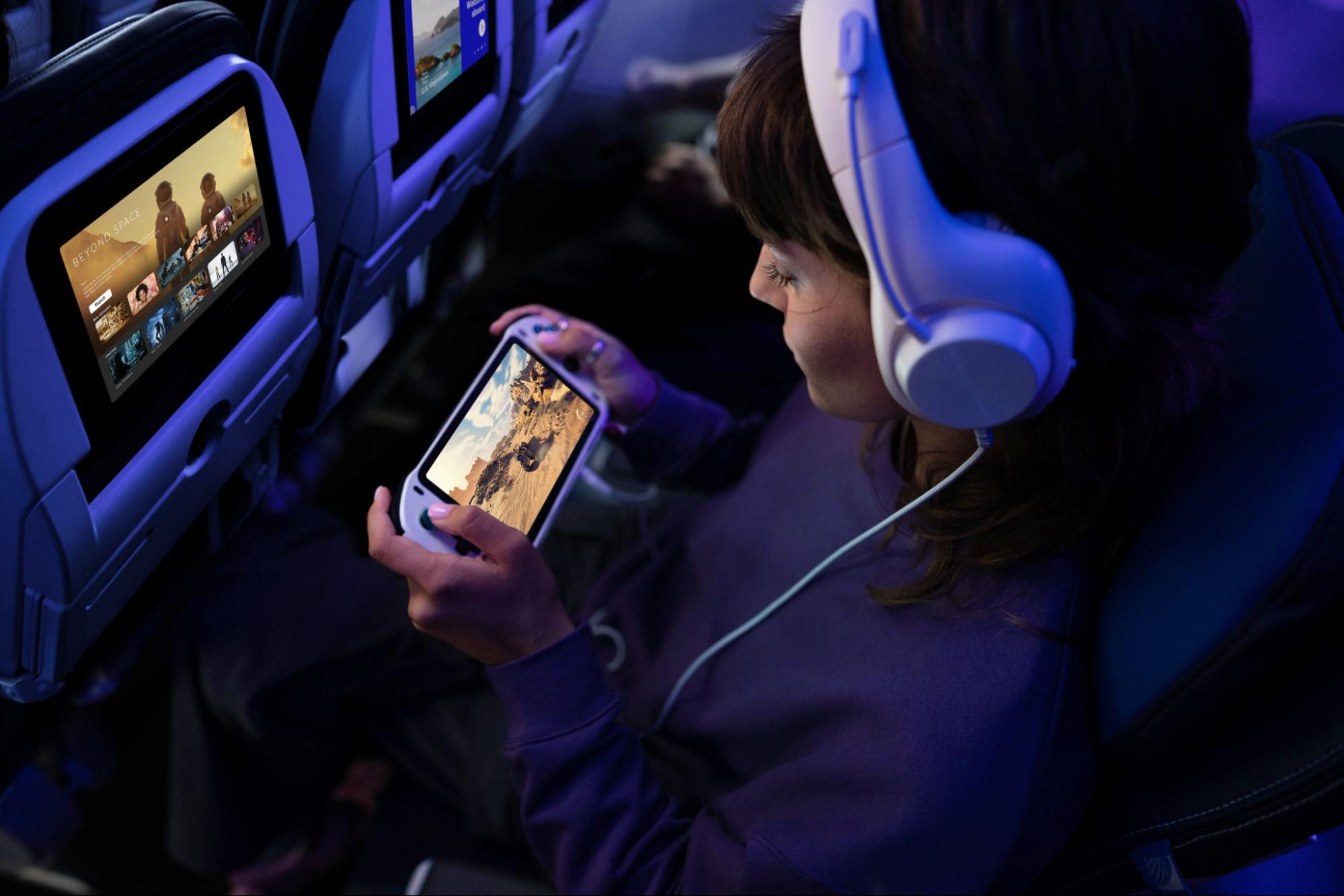
By installing Starlink Wi-Fi across hundreds of aircraft and spotlighting it during the Big Game, United is reframing connectivity as a core part of air travel, not a premium perk or technical afterthought.
United Airlines has quietly crossed a threshold that many carriers have long promised but struggled to reach: reliable, high-speed internet at cruising altitude. In less than a year, the airline has equipped more than 300 two-cabin regional aircraft with Starlink Wi-Fi, bringing gate-to-gate connectivity to a growing share of its domestic network. The scale and pace of the rollout signal a shift in how airlines now define the baseline passenger experience.
Inflight internet has historically been constrained by slow speeds, patchy coverage, and inconsistent performance that limited its usefulness. United’s adoption of Starlink, a low-Earth-orbit satellite system, addresses those constraints by offering higher bandwidth and lower latency than traditional satellite networks. The result, according to the airline’s own data, is a near doubling of customer satisfaction scores on aircraft where the system is installed.
The technical milestone also has broader implications for how passengers use time in the air. Activities once assumed impossible or impractical—live sports streaming, online gaming, real-time messaging, or cloud-based work—are now positioned as routine parts of a flight. As more than a quarter of United’s daily departures already feature Starlink, the airline is effectively normalizing expectations that connectivity should resemble what travelers experience on the ground.
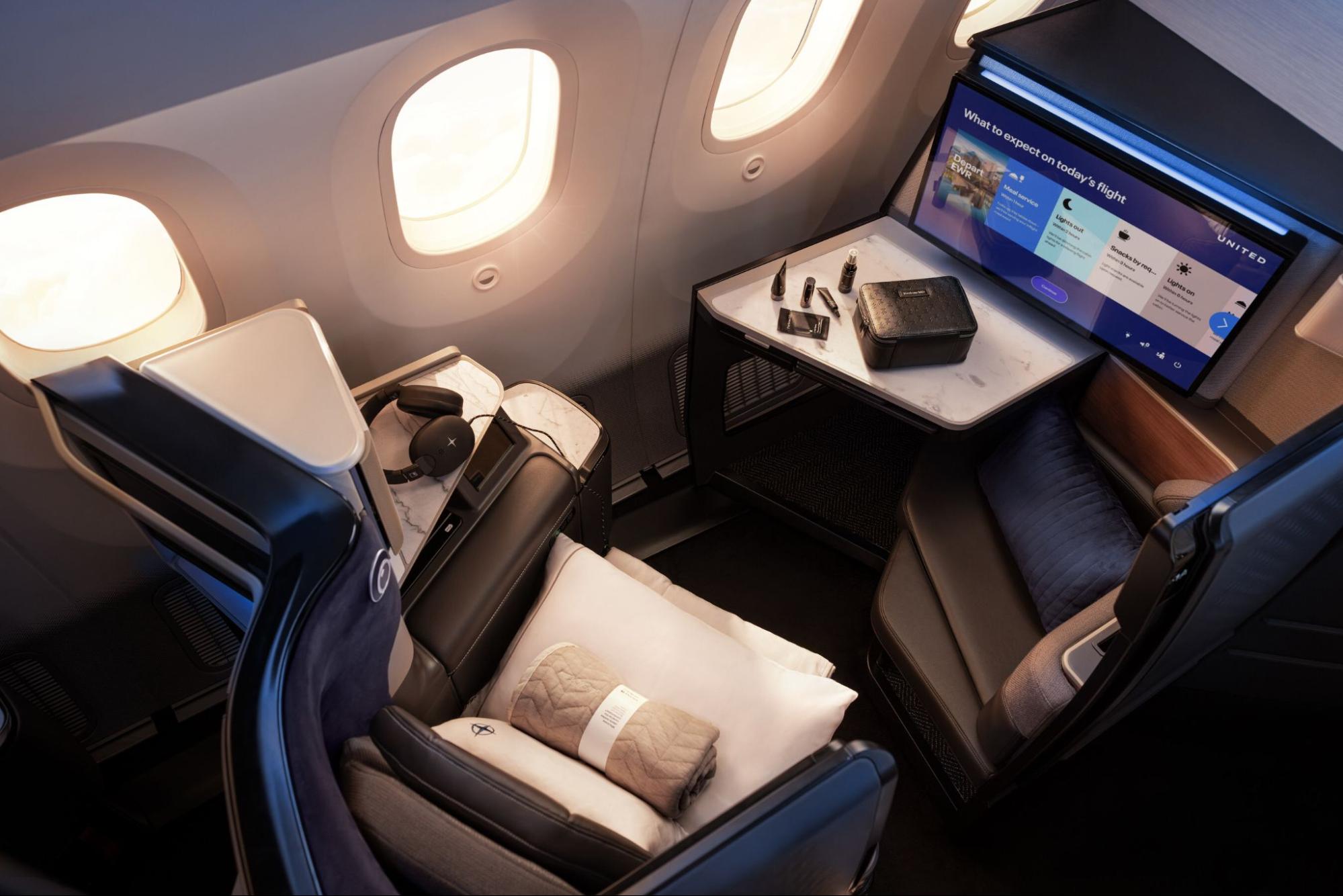
United’s decision to highlight this shift during the Big Game reflects how central connectivity has become to brand perception. Rather than promoting seat pitch or onboard meals, the airline chose to emphasize digital reliability, suggesting that modern comfort increasingly includes uninterrupted access to networks and services. This emphasis also underscores the competitive pressure airlines face as connectivity becomes a differentiator rather than a novelty.
Looking ahead, United plans to extend Starlink to more than 500 mainline aircraft by the end of 2026, a move that would place the majority of its fleet on a single connectivity standard. If successful, the effort could reset industry expectations around inflight internet performance and consistency. More broadly, it reflects how aviation is adapting to passengers who no longer see disconnection as an acceptable part of long-distance travel, but as a problem technology is expected to solve.